Wang Chung

Pop
Mainstream Pop
Pop Rock
 Viberate Rank: 12485
 Viberate Rank: 12485
 Monthly ListenersFollowers
 Subscribers
 Followers
 Followers
 FansTop Spotify Songs
| Track | 7-Day Streams | |
|---|---|---|
1 | 934.05K | |
2 | 423.12K | |
3 | 127.64K | |
4 | 45.09K | |
5 | 27.23K |
Top YouTube Videos| Video | 7-Day Views | |
|---|---|---|
1 | 136.39K | |
2 | 127.07K | |
3 | 30.57K | |
4 | 15.37K | |
5 | 12.24K |
Monthly ListenersFeatured in Playlists| Playlist | Followers | |
|---|---|---|
1 |  80s Party Spotify | 1.49M |
2 |  Grand Theft Auto Official Playlist Spotify | 976.42K |
3 | Classic Rock Greatest Hits Scott Pruden | 341.42K |
4 |  80s Classic Hits | The Best of the 80s uDiscover Playlists | 319.19K |
5 |  80s New Wave & Alternative Troy @ TavernTails | 194.46K |
Audience| City | Monthly Listeners | |
|---|---|---|
1 |  | 46.37K |
2 |  | 39.57K |
3 |  | 39.43K |
4 | | 37.13K |
5 | | 33.61K |
See full performance history, audience data, playlist activity, rankings, comparisons, and more in Viberate music analytics. Start with a free trial, then continue with a paid plan.
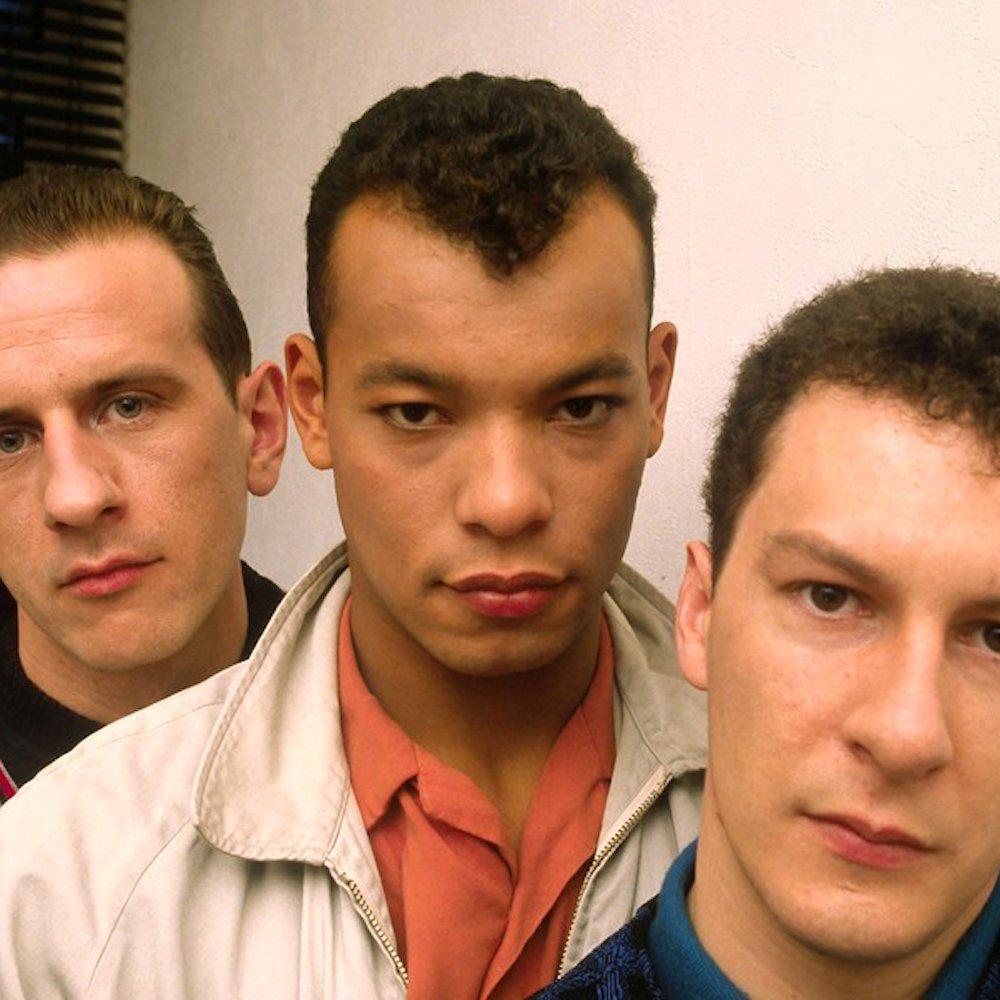
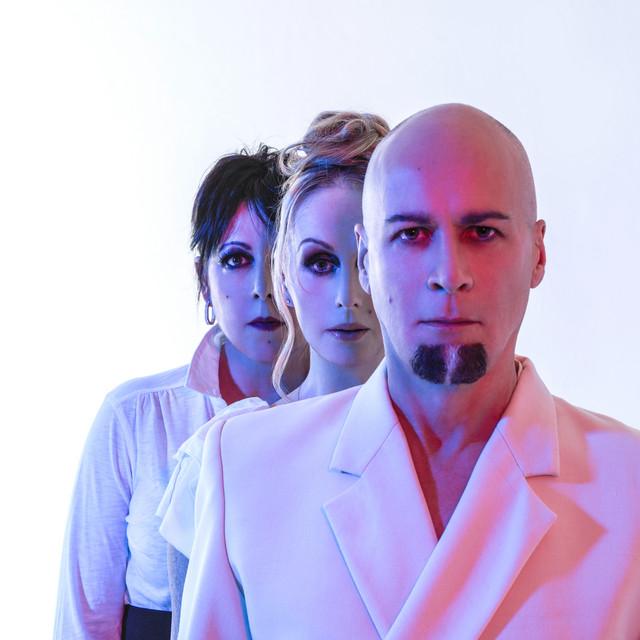
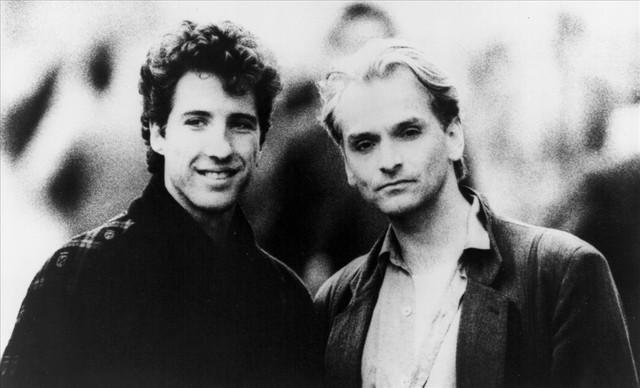
Wang Chung’s Spotify BioThe London-based new wave group Wang Chung had a handful of hits in the mid-'80s, achieving their greatest popularity in the U.S. Originally called Huang Chung, the band consisted of vocalist/guitarist Jack Hues, bassist Nick Feldman, and drummer Darren Costin. The band recorded four tracks for 101 Records in the late '70s, all of which appeared on a pair of compilation albums. Huang Chung released their first single, "Isn't It About Time We Were on Television?," in 1980; the record led to a contract with Arista Records. The group released their first album, Huang Chung, in 1982. By the time they recorded 1984's Points on a Curve, the band had changed their name to Wang Chung. "Dance Hall Days" was a small hit in Britain, yet the band hit the Top 40 twice in America -- "Don't Let Go" made it to number 36, while "Dance Hall Days" reached number 16. From this point on, Wang Chung ignored the U.K. market, choosing to concentrate on the U.S. "To Live and Die in L.A.," the theme song from… William Friedken's thriller, just missed making the Top 40 in 1985. That same year, Wang Chung switched from Geffen Records to A&M and Costin left the band. Hues and Feldman continued as a duo and released Mosaic in 1986. The album was their biggest hit, launching the number two hit "Everybody Have Fun Tonight" and the Top Ten "Let's Go!" Wang Chung returned in 1989 with The Warmer Side of Cool, which spent a mere six weeks on the charts, spawning the minor hit, "Praying to a New God." After the relative disappointment of the album, the group quietly stopped touring and recording. ~ Stephen Thomas Erlewine, Rovi
Viberate is a music analytics platform built for A&Rs, artist managers, labels, booking agents, marketers, and artists.
It helps music professionals track artist growth, analyze audience data, monitor playlist activity, compare artists, follow song performance, and identify opportunities across the music market.
Public artist pages provide a free preview of selected artist data. Paid plans provide access to deeper analytics, historical data, charts, comparisons, playlist tools, exports, alerts, reports, and additional professional features.
Yes. Public Viberate artist pages provide selected artist analytics and music data for free.
Viberate also offers a 7-day free trial of the full platform. A credit card is required to start the trial. The trial includes access to the complete product so users can test deeper artist analytics, historical views, playlist insights, comparisons, charts, exports, alerts, and reporting features before choosing a paid plan.
Viberate provides artist analytics across streaming, playlists, social media, video, radio airplay, songs, and audience markets.
Users can analyze Spotify performance, Spotify and Apple Music playlists, YouTube activity, TikTok and Instagram growth, radio spins, song performance, audience locations, demographics, rankings, and overall artist momentum.
Artist profiles also connect to music charts, similar artists, and comparison tools, helping users benchmark performance and evaluate artists in context.
Viberate updates key artist and track data daily.
For followed artists and tracks, selected data is refreshed multiple times per day. This helps teams monitor playlist changes, streaming movement, audience growth, releases, and campaign performance with more current data.
Update frequency can vary depending on the metric and data source.
Yes. Viberate lets users compare up to five artists side by side across streaming, social media, audience, and engagement metrics.
Users can compare fanbase growth, audience demographics, locations, Spotify performance, social metrics, and other artist data over selected time periods.
Artist comparison can be used for A&R scouting, benchmarking, booking decisions, campaign planning, and evaluating artists with similar audiences or market positions.