Vonzell Solomon

Pop
Mainstream Pop
j-pop
 Viberate Rank: 186353
 Viberate Rank: 186353
 Monthly ListenersFollowers
 Subscribers
 Followers
 Followers
 FansTop Spotify Songs
| Track | 7-Day Streams | |
|---|---|---|
1 | 1.60K | |
2 | 1.10K | |
3 | 536 | |
4 | 496 | |
5 | 29 |
Top YouTube VideosMonthly ListenersFeatured in Playlists| Playlist | Followers | |
|---|---|---|
1 | Postmodern Jukebox Original domslade83 | 188.20K |
2 |  Postmodern Jukebox Radio (Complete PMJ Playlist) scott bradlee's postmodern jukebox | 92.66K |
3 |  Postmodern Jukebox 100prolegit | 78.75K |
4 |  Soft Soul, Blues & Jazz laisinha | 72.87K |
5 | Zami Lee | 67.76K |
Audience| City | Monthly Listeners | |
|---|---|---|
1 |  | 121 |
2 |  | 105 |
3 |  | 85 |
4 | | 83 |
5 |  | 71 |
See full performance history, audience data, playlist activity, rankings, comparisons, and more in Viberate music analytics. Start with a free trial, then continue with a paid plan.
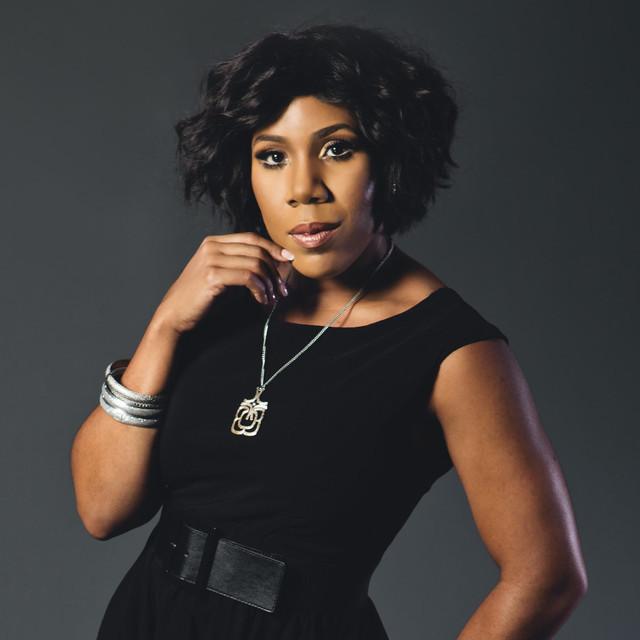
Vonzell Solomon’s Spotify BioThe third-place finalist on season four of American Idol, Vonzell Solomon -- also known as Baby V -- has a sweet but powerful voice that suited the soul and Motown fare she sang on the show perfectly. Growing up in Fort Myers, FL, Solomon studied at the Cypress Lake Center for the Arts, and received four years' worth of classical vocal training. She also studied martial arts (her father is an instructor) and holds a black belt in sembact martial arts, combining karate, jujitsu, and tae kwon do. Solomon auditioned for P. Diddy's 2002 MTV reality series/band project Making the Band 2, but didn't make the cut; she also tried out for American Idol's second season and was rejected. Solomon worked at the Tice, FL, branch of the United States Postal Service and sang with local groups; in April 2004 she released the demo album My Struggle, and auditioned for American Idol's fourth season later that year. After securing a finalist spot on the show in February 2005, her performances of songs… such as the Emotions' "Best of My Love" and Dionne Warwick's "I'll Never Love This Way Again" made her enough of a fan favorite that she finished third, behind Bo Bice and that season's winner, Carrie Underwood.
After the show ended, Solomon was the highest-placing contestant not to be offered a recording contract; however, she founded her own label, Melodic Records, and also served as a spokesperson for the USPS. In 2007, My Struggle was released, credited to Baby V. That year, she also appeared in the film Still Green. The following year, Solomon appeared with the touring company of the musical Strictly Ballroom. That summer, she was apprehended at the Southwest Florida International Airport by security guards because she brought an unloaded gun with her; she was given a misdemeanor charge of carrying a weapon into an airport. She was due in court later that summer, and was expected to release a single that August. Solomon also participated in the 2008 Idol Camp, an American Idol-affiliated performing arts summer camp. ~ Heather Phares, Rovi
Viberate is a music analytics platform built for A&Rs, artist managers, labels, booking agents, marketers, and artists.
It helps music professionals track artist growth, analyze audience data, monitor playlist activity, compare artists, follow song performance, and identify opportunities across the music market.
Public artist pages provide a free preview of selected artist data. Paid plans provide access to deeper analytics, historical data, charts, comparisons, playlist tools, exports, alerts, reports, and additional professional features.
Yes. Public Viberate artist pages provide selected artist analytics and music data for free.
Viberate also offers a 7-day free trial of the full platform. A credit card is required to start the trial. The trial includes access to the complete product so users can test deeper artist analytics, historical views, playlist insights, comparisons, charts, exports, alerts, and reporting features before choosing a paid plan.
Viberate provides artist analytics across streaming, playlists, social media, video, radio airplay, songs, and audience markets.
Users can analyze Spotify performance, Spotify and Apple Music playlists, YouTube activity, TikTok and Instagram growth, radio spins, song performance, audience locations, demographics, rankings, and overall artist momentum.
Artist profiles also connect to music charts, similar artists, and comparison tools, helping users benchmark performance and evaluate artists in context.
Viberate updates key artist and track data daily.
For followed artists and tracks, selected data is refreshed multiple times per day. This helps teams monitor playlist changes, streaming movement, audience growth, releases, and campaign performance with more current data.
Update frequency can vary depending on the metric and data source.
Yes. Viberate lets users compare up to five artists side by side across streaming, social media, audience, and engagement metrics.
Users can compare fanbase growth, audience demographics, locations, Spotify performance, social metrics, and other artist data over selected time periods.
Artist comparison can be used for A&R scouting, benchmarking, booking decisions, campaign planning, and evaluating artists with similar audiences or market positions.