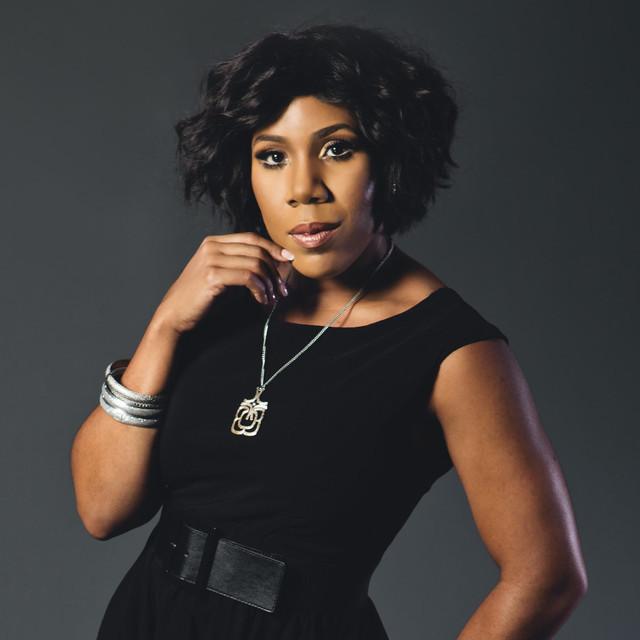
Melinda Doolittle

R&B
Soul
j-pop
 Viberate Rank: 154647
 Viberate Rank: 154647
 Monthly ListenersFollowers
 Subscribers
 Followers
 Followers
 FansTop Spotify Songs
| Track | 7-Day Streams | |
|---|---|---|
1 | 4.66K | |
2 | 2.67K | |
3 | 705 | |
4 | 284 | |
5 | 270 |
Top YouTube VideosMonthly ListenersFeatured in Playlists| Playlist | Followers | |
|---|---|---|
1 | Postmodern Jukebox Original domslade83 | 188.20K |
2 |  Postmodern Jukebox Radio (Complete PMJ Playlist) scott bradlee's postmodern jukebox | 92.66K |
3 |  Postmodern Jukebox 100prolegit | 78.75K |
4 | Zami Lee | 67.76K |
5 | Erik Cordeiro | 30.19K |
Audience| City | Monthly Listeners | |
|---|---|---|
1 |  | 331 |
2 |  | 220 |
3 |  | 217 |
4 |  | 214 |
5 |  | 175 |
See full performance history, audience data, playlist activity, rankings, comparisons, and more in Viberate music analytics. Start with a free trial, then continue with a paid plan.
Melinda Doolittle’s Spotify BioAlthough her third-place finish on American Idol's sixth season introduced Melinda Doolittle to a new audience, the neo-soul singer already boasted an impressive résumé, having spent the better part of a decade singing backup for the likes of Aaron Neville, Jonny Lang, Charlie Peacock, and CeCe Winans. Doolittle was born in St. Louis, MO, and relocated to Nashville during the mid-'90s to attend Belmont University while pursuing a singing career. Already employed as a gifted background vocalist, she auditioned for American Idol in 2006 and earned a place on the show's 2007 season. Doolittle proved to be an especially strong singer during her 13-week run; however, despite receiving near-unanimous acclaim from the judging panel, her reign was cut short one week before the show's finale. She later completed the American Idol summer tour alongside her former competitors (including runner-up Blake Lewis and champion Jordin Sparks) and dedicated significant time to philanthropic efforts,… including a trip to Zambia alongside First Lady Laura Bush. While several of her Idol cohorts released albums in 2007 and 2008, Doolittle lay down until 2009, when she emerged with her debut for Hi Fi Recordings. Titled Coming Back to You, the album comprised covers of vintage blues and early R&B standards. ~ Andrew Leahey, Rovi
Viberate is a music analytics platform built for A&Rs, artist managers, labels, booking agents, marketers, and artists.
It helps music professionals track artist growth, analyze audience data, monitor playlist activity, compare artists, follow song performance, and identify opportunities across the music market.
Public artist pages provide a free preview of selected artist data. Paid plans provide access to deeper analytics, historical data, charts, comparisons, playlist tools, exports, alerts, reports, and additional professional features.
Yes. Public Viberate artist pages provide selected artist analytics and music data for free.
Viberate also offers a 7-day free trial of the full platform. A credit card is required to start the trial. The trial includes access to the complete product so users can test deeper artist analytics, historical views, playlist insights, comparisons, charts, exports, alerts, and reporting features before choosing a paid plan.
Viberate provides artist analytics across streaming, playlists, social media, video, radio airplay, songs, and audience markets.
Users can analyze Spotify performance, Spotify and Apple Music playlists, YouTube activity, TikTok and Instagram growth, radio spins, song performance, audience locations, demographics, rankings, and overall artist momentum.
Artist profiles also connect to music charts, similar artists, and comparison tools, helping users benchmark performance and evaluate artists in context.
Viberate updates key artist and track data daily.
For followed artists and tracks, selected data is refreshed multiple times per day. This helps teams monitor playlist changes, streaming movement, audience growth, releases, and campaign performance with more current data.
Update frequency can vary depending on the metric and data source.
Yes. Viberate lets users compare up to five artists side by side across streaming, social media, audience, and engagement metrics.
Users can compare fanbase growth, audience demographics, locations, Spotify performance, social metrics, and other artist data over selected time periods.
Artist comparison can be used for A&R scouting, benchmarking, booking decisions, campaign planning, and evaluating artists with similar audiences or market positions.