Vladimir Horowitz

Classical
Chamber Music
 Viberate Rank: 55822
 Viberate Rank: 55822
 Monthly ListenersFollowers
 Subscribers
 Followers
 Followers
 FansTop Spotify Songs
| Track | 7-Day Streams | |
|---|---|---|
1 | 83.24K | |
2 | 57.05K | |
3 | 50.52K | |
4 | 47.28K | |
5 | 20.95K |
Top YouTube VideosMonthly ListenersFeatured in Playlists| Playlist | Followers | |
|---|---|---|
1 |  Música Clásica Que Sí Es Clásica José Gonzales | 339.49K |
2 |  This Is Rachmaninoff Spotify | 162.91K |
3 |  This Is Liszt Spotify | 138.88K |
4 |  Baroque Classics Sony Classical & Jazz Sweden | 131.09K |
5 |  Focus Music - Work | Studying | Concentration Kroschi | 112.12K |
Audience| City | Monthly Listeners | |
|---|---|---|
1 |  | 10.28K |
2 |  | 9.95K |
3 | | 7.89K |
4 |  | 7.86K |
5 |  | 6.96K |
See full performance history, audience data, playlist activity, rankings, comparisons, and more in Viberate music analytics. Start with a free trial, then continue with a paid plan.
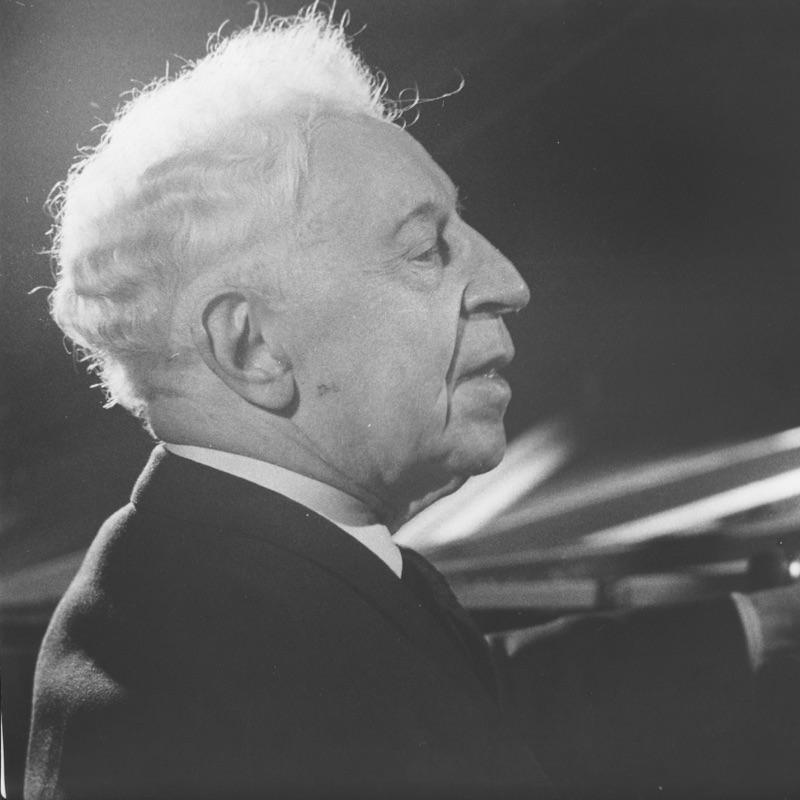
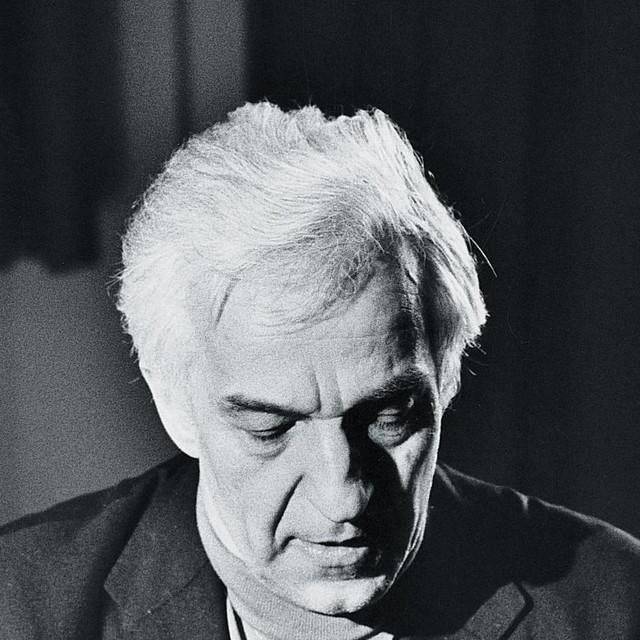
Vladimir Horowitz’s Spotify BioA pianist of legendary fame and stature, Vladimir Horowitz was born in Kiev, Ukraine. His mother, herself a professional pianist, provided his first instruction at the piano and was the first to recognize his extraordinary talents; he studied further at the Kiev Conservatory. His first public appearance was a recital in Kiev on May 30, 1920, and in 1922 he gave a series of 15 concerts in Kharkov for which he was paid in food and clothing. Although Russia was still reeling from the revolution of 1917, Horowitz fashioned successful concert tours in major cities such as Moscow, Leningrad, and Kiev -- marking the beginning of a performing career of unflagging and spectacular success.
His first international appearance came with his 1926 trip to Berlin, soon after which followed concerts in Paris, London, and New York. Further appearances in the United States solidified his reputation as an exceptional virtuoso, and the country which was to become his adopted home embraced him warmly. He was… invited to the White House to play for President Hoover in 1931, and in 1933 he married Wanda Toscanini -- the daughter of the famous conductor Arturo Toscanini, who would soon conduct Horowitz and the New York Philharmonic Orchestra in performances of the Beethoven piano concertos. Horowitz permanently settled in the United States in 1940 and achieved citizenship in 1944.
Wanda Toscanini assumed a gentle stewardship of her new husband, who was in fragile physical and emotional health. Often seized with an irrational fear of failure, Horowitz found the life of touring threatening to his equilibrium. He withdrew from the concert stage for several periods during his life, and made only rare appearances after 1970. When Horowitz did schedule a concert, it often took the persuasive powers of his wife and friends to keep him from canceling at the last minute. His nagging, and often overpowering, insecurity led him to seek shock therapy in 1973, but though he seemed to achieve some benefit from treatment, he was never free of anxiety when playing in public. The one exception to this trend was when he appeared as accompanist to another artist, which he often did with baritone Dietrich Fischer-Dieskau, cellist Mstislav Rostropovich, and violinist Isaac Stern. Because of his long absences from the concert stage, Horowitz's popularity was largely sustained by his recordings.
Perhaps the most significant single event in Horowitz's long career was his long-overdue return to the Soviet Union (his first since his departure in the 1920s) for a series of concerts in 1986. The resulting tour became a major political event, coinciding as it did with an era of new understanding between the United States and the Soviet Union, and it resonated powerfully with Soviet audiences. Revitalized by the Soviet tour, Horwowitz signed a new contract with Sony; the contract included provisions for recording him at home on his favorite piano. He made his last such recording on November 1, 1989; on November 5 he died of a massive heart attack.
As a performer, Horowitz had huge resources of speed and power, and a clean articulation. His performances were brilliant, exciting, and often mystifying to those who found his technique enigmatic (he played, for instance, with unusually straight fingers, laying them nearly flat on the keys). Though his performances were frequently criticized for their willfulness and self-indulgent nature, there was an undeniable charisma to his playing that endeared him to most everyone who heard him.
Viberate is a music analytics platform built for A&Rs, artist managers, labels, booking agents, marketers, and artists.
It helps music professionals track artist growth, analyze audience data, monitor playlist activity, compare artists, follow song performance, and identify opportunities across the music market.
Public artist pages provide a free preview of selected artist data. Paid plans provide access to deeper analytics, historical data, charts, comparisons, playlist tools, exports, alerts, reports, and additional professional features.
Yes. Public Viberate artist pages provide selected artist analytics and music data for free.
Viberate also offers a 7-day free trial of the full platform. A credit card is required to start the trial. The trial includes access to the complete product so users can test deeper artist analytics, historical views, playlist insights, comparisons, charts, exports, alerts, and reporting features before choosing a paid plan.
Viberate provides artist analytics across streaming, playlists, social media, video, radio airplay, songs, and audience markets.
Users can analyze Spotify performance, Spotify and Apple Music playlists, YouTube activity, TikTok and Instagram growth, radio spins, song performance, audience locations, demographics, rankings, and overall artist momentum.
Artist profiles also connect to music charts, similar artists, and comparison tools, helping users benchmark performance and evaluate artists in context.
Viberate updates key artist and track data daily.
For followed artists and tracks, selected data is refreshed multiple times per day. This helps teams monitor playlist changes, streaming movement, audience growth, releases, and campaign performance with more current data.
Update frequency can vary depending on the metric and data source.
Yes. Viberate lets users compare up to five artists side by side across streaming, social media, audience, and engagement metrics.
Users can compare fanbase growth, audience demographics, locations, Spotify performance, social metrics, and other artist data over selected time periods.
Artist comparison can be used for A&R scouting, benchmarking, booking decisions, campaign planning, and evaluating artists with similar audiences or market positions.