Vinnie Moore

Metal
Heavy Metal
Neoclassical
 Viberate Rank: 79908
 Viberate Rank: 79908
 Monthly ListenersFollowers
 Subscribers
 Followers
 Followers
 FansTop Spotify Songs
| Track | 7-Day Streams | |
|---|---|---|
1 | 4.40K | |
2 | 1.95K | |
3 | 1.74K | |
4 | 1.20K | |
5 | 986 |
Top YouTube VideosMonthly ListenersFeatured in Playlists| Playlist | Followers | |
|---|---|---|
1 |  String Theory Spotify | 166.86K |
2 |  The Sound of Everything The Sounds of Spotify | 53.81K |
3 |  Metal Instrumentals Samidhya Sarker Torsho | 18.16K |
4 | Metal🤘🏻 Naydil González | 16.46K |
5 |  Rock/Metal instrumentals Justin Ronald Williamson | 15.59K |
Audience| City | Monthly Listeners | |
|---|---|---|
1 |  | 488 |
2 |  | 433 |
3 |  | 415 |
4 |  | 280 |
5 |  | 185 |
See full performance history, audience data, playlist activity, rankings, comparisons, and more in Viberate music analytics. Start with a free trial, then continue with a paid plan.
Vinnie Moore’s Spotify BioVinnie Moore is one of the most influencial and important guitarists to emerge out of the virtuoso boom in the mid to late eighties. Boasting six studio albums as of 2001, he is one of the most recognizable artists on the Shrapnel record label.
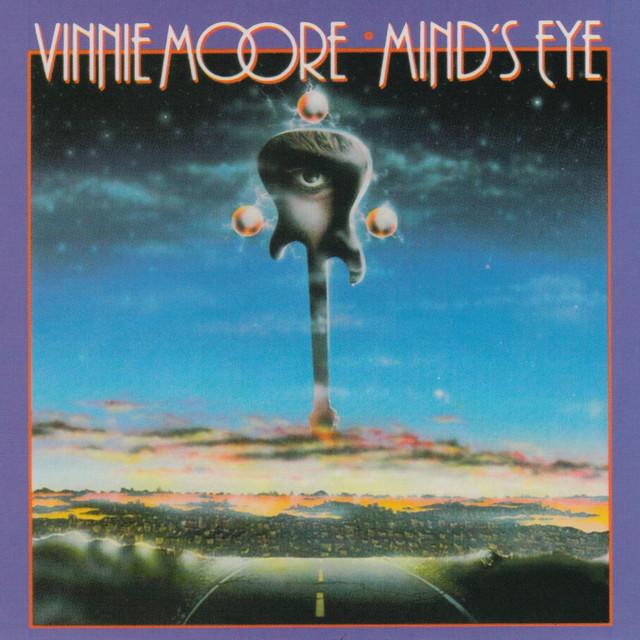
Beginning his career at the tender age of 12, Moore played clubs and bars until Shrapnel big wig Mike Varney discovered him through a magazine article. His connection with Varney led to a Pepsi commercial in 1985, which gave him enough recognition to record his first solo album, Minds Eye. His debut led to several awards from guitar magazines and sold over 100,000 copies, bringing him directly into the spotlight of the guitar world.
The virtuoso craze of the late eighties led to more well received releases on Shrapnel, and soon he began to perform with other bands in the hard rock scene. He joined Alice Cooper's band for a tour and the Hey Stoopid album, and released two very popular instructional videos on playing guitar.
He secured a tour with… Rush for his solo material, then turned around and had a guitar clinic tour that spanned several continents. His dedication to teaching his craft has brought him much praise in musician's circles. Although the nineties saw a decline in the popularity of solo guitar music, Moore survived the downward trend due to his popular guitar clinics and quality guitar playing.
Standing tall with fellow guitar heroes Al DiMeola and Joe Satriani, Vinnie Moore has enjoyed a successful working relationship with Shrapnel records that has continued past the nineties into the next century. Despite never cracking the mainstream, Moore still has enjoyed a long and creatively satisfying career in the world of instrumental guitar. ~ Bradley Torreano, Rovi
Viberate is a music analytics platform built for A&Rs, artist managers, labels, booking agents, marketers, and artists.
It helps music professionals track artist growth, analyze audience data, monitor playlist activity, compare artists, follow song performance, and identify opportunities across the music market.
Public artist pages provide a free preview of selected artist data. Paid plans provide access to deeper analytics, historical data, charts, comparisons, playlist tools, exports, alerts, reports, and additional professional features.
Yes. Public Viberate artist pages provide selected artist analytics and music data for free.
Viberate also offers a 7-day free trial of the full platform. A credit card is required to start the trial. The trial includes access to the complete product so users can test deeper artist analytics, historical views, playlist insights, comparisons, charts, exports, alerts, and reporting features before choosing a paid plan.
Viberate provides artist analytics across streaming, playlists, social media, video, radio airplay, songs, and audience markets.
Users can analyze Spotify performance, Spotify and Apple Music playlists, YouTube activity, TikTok and Instagram growth, radio spins, song performance, audience locations, demographics, rankings, and overall artist momentum.
Artist profiles also connect to music charts, similar artists, and comparison tools, helping users benchmark performance and evaluate artists in context.
Viberate updates key artist and track data daily.
For followed artists and tracks, selected data is refreshed multiple times per day. This helps teams monitor playlist changes, streaming movement, audience growth, releases, and campaign performance with more current data.
Update frequency can vary depending on the metric and data source.
Yes. Viberate lets users compare up to five artists side by side across streaming, social media, audience, and engagement metrics.
Users can compare fanbase growth, audience demographics, locations, Spotify performance, social metrics, and other artist data over selected time periods.
Artist comparison can be used for A&R scouting, benchmarking, booking decisions, campaign planning, and evaluating artists with similar audiences or market positions.