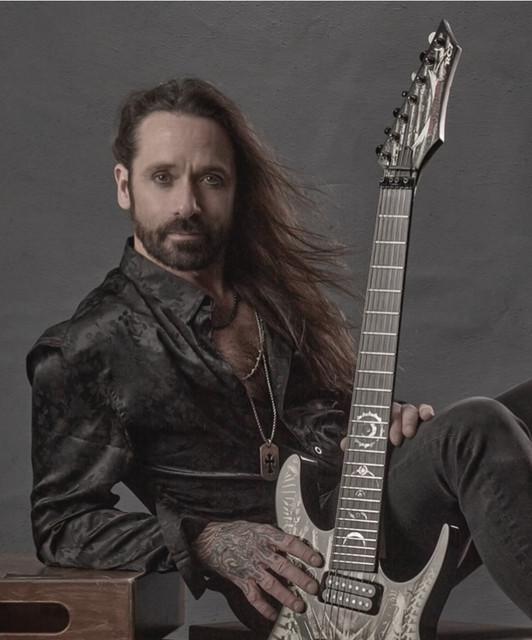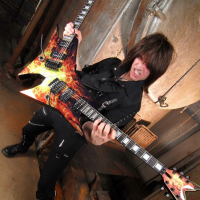
Michael Angelo Batio

Metal
Heavy Metal
Neoclassical
 Viberate Rank: 43653
 Viberate Rank: 43653
 Monthly ListenersFollowers
 Subscribers
 Followers
 Followers
 FansTop Spotify Songs
| Track | 7-Day Streams | |
|---|---|---|
1 | 6.54K | |
2 | 1.89K | |
3 | 836 | |
4 | 809 | |
5 | 639 |
Top YouTube VideosMonthly ListenersFeatured in Playlists| Playlist | Followers | |
|---|---|---|
1 | BEST GUITAR SOLOS OF ALL TIME t.riccardo | 95.19K |
2 |  80’s Hair Metal & Rock halun1 | 40.35K |
3 |  Metal Instrumentals Samidhya Sarker Torsho | 18.16K |
4 |  Heavy Metal Instrumentals 🎸 JaviFlames | 13.79K |
5 |  limewire classics kevinlater | 10.96K |
Audience| City | Monthly Listeners | |
|---|---|---|
1 |  | 664 |
2 |  | 529 |
3 |  | 416 |
4 |  | 341 |
5 |  | 260 |
See full performance history, audience data, playlist activity, rankings, comparisons, and more in Viberate music analytics. Start with a free trial, then continue with a paid plan.
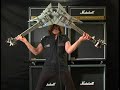
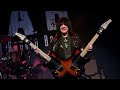
Michael Angelo Batio’s Spotify BioChicago-based ambidextrous heavy metal guitar virtuoso Michael Angelo Batio is known for his lightning-fast guitar techniques, as well as his inventions, such as the double guitar, which he prominently uses in his recordings and performances. Batio is also well known as a guitar instructor and has released several instructional videos demonstrating his techniques. He is frequently listed as one of the greatest shredders of all time by magazines such as Guitar World and Total Guitar. Beginning his career in the 1980s as the guitarist of the metal band Holland, and later finding success as a member of Nitro, Batio went solo and formed his independent label, M.A.C.E. Music, in 1993. His solo discography mainly consists of instrumental albums, such as 1995's No Boundaries, as well as a few releases with vocals, including 2009's covers-heavy Hands Without Shadows, Vol. 2: Voices.
Batio began playing guitar as a child, and quickly developed an unusually fast guitar picking technique. After… graduating from Northeastern Illinois University with a degree in music theory and composition, he became a session guitarist, recording music for several restaurant chains, airlines, and sports teams. His recording career began when he joined ex-Steppenwolf singer Tommy Holland's heavy metal band Holland in 1984. Atlantic Records released the group's sole album, Little Monsters, in 1985, and the band broke up soon after. Batio started his own group, the Michael Angelo Band, which did not release any material. Batio released his first instructional video in 1987, as part of Star Licks Productions' Master Series.
Along with singer Jim Gillette, bassist T.J. Racer, and drummer Bobby Rock, Batio formed another band, glam metal group Nitro, in 1987. Their first album, O.F.R., was released on Rampage Records in 1989, and the video for the single "Freight Train" featured Batio playing a quad guitar, which he also invented. A second lineup of Nitro, with Gillette and Batio accompanied by Johnny Thunder and Ralph Carter, released H.W.D.W.S. (Hot, Wet, Drippin' with Sweat) in 1992 before the group disbanded. Batio started a label, M.A.C.E. Music, in 1993, and began his solo career in 1995 with the release of instrumental full-length No Boundaries. Planet Gemini followed in 1997, and third album Tradition was included with his second instructional video, Jam with Angelo, in 1999. Fourth album Lucid Intervals and Moments of Clarity, co-credited to drummer Rob Ross, followed in 2000.
Batio launched his Speed Kills instructional DVD series in 2003, and released the compilation album Lucid Intervals and Moments of Clarity, Pt. 2 in 2004. Studio album Hands Without Shadows arrived in 2005, featuring covers of Deep Purple, Metallica, and Aerosmith, tributes to Randy Rhoads and Led Zeppelin, and guest appearances by members of Creed and Whitesnake. A Hands Without Shadows DVD series was launched in 2006, and Speed Kills 2 was issued the same year. The 2007 album 2 X Again featured remixed versions of material from his first two solo albums, and three more DVDs were released during the same year. The vocal-driven LP Hands Without Shadows, Vol. 2: Voices arrived in 2009, featuring tributes to Eric Clapton, Dimebag Darrell, Van Halen, and others. The instrumental album Intermezzo followed in 2013, and the career-spanning compilation Shred Force 1 (The Essential MAB) appeared on Rat Pak Records in 2015.
Soul in Sight, the first album featuring the guitarist's band Black Hornets, arrived in 2016. Later in the year, Nitro reunited, with Lamb of God drummer Chris Adler joining Gillette and Batio. The group began recording an album with producer Kane Churko, as well as bassist Victor Wooten. A single titled "It Won't Die" appeared in 2017, and the band performed concerts with Matt DeVries playing bass. However, in 2019 Batio announced that Nitro had disbanded once again. Tracks from the group's abandoned third album were included on Batio's 2020 solo full-length, More Machine Than Man. ~ Paul Simpson, Rovi
Viberate is a music analytics platform built for A&Rs, artist managers, labels, booking agents, marketers, and artists.
It helps music professionals track artist growth, analyze audience data, monitor playlist activity, compare artists, follow song performance, and identify opportunities across the music market.
Public artist pages provide a free preview of selected artist data. Paid plans provide access to deeper analytics, historical data, charts, comparisons, playlist tools, exports, alerts, reports, and additional professional features.
Yes. Public Viberate artist pages provide selected artist analytics and music data for free.
Viberate also offers a 7-day free trial of the full platform. A credit card is required to start the trial. The trial includes access to the complete product so users can test deeper artist analytics, historical views, playlist insights, comparisons, charts, exports, alerts, and reporting features before choosing a paid plan.
Viberate provides artist analytics across streaming, playlists, social media, video, radio airplay, songs, and audience markets.
Users can analyze Spotify performance, Spotify and Apple Music playlists, YouTube activity, TikTok and Instagram growth, radio spins, song performance, audience locations, demographics, rankings, and overall artist momentum.
Artist profiles also connect to music charts, similar artists, and comparison tools, helping users benchmark performance and evaluate artists in context.
Viberate updates key artist and track data daily.
For followed artists and tracks, selected data is refreshed multiple times per day. This helps teams monitor playlist changes, streaming movement, audience growth, releases, and campaign performance with more current data.
Update frequency can vary depending on the metric and data source.
Yes. Viberate lets users compare up to five artists side by side across streaming, social media, audience, and engagement metrics.
Users can compare fanbase growth, audience demographics, locations, Spotify performance, social metrics, and other artist data over selected time periods.
Artist comparison can be used for A&R scouting, benchmarking, booking decisions, campaign planning, and evaluating artists with similar audiences or market positions.