Vincent Gallo

Rock
Alternative Rock
 Viberate Rank: 125716
 Viberate Rank: 125716
 Monthly ListenersFollowers
 Subscribers
 Followers
 Followers
 FansTop Spotify Songs
| Track | 7-Day Streams | |
|---|---|---|
1 | 4.12K | |
2 | 2.91K | |
3 | 2.45K | |
4 | 2.24K | |
5 | 1.78K |
Top YouTube VideosMonthly ListenersFeatured in Playlists| Playlist | Followers | |
|---|---|---|
1 | jazz is for ordinary people ... | 59.71K |
2 | Ambient Electronic cotter | 32.64K |
3 |  Bee Movie Justas Janušauskas | 28.31K |
4 |  Warp Records andy_phology | 16.72K |
5 |  Tycho Selects Tycho | 16.09K |
Audience| City | Monthly Listeners | |
|---|---|---|
1 |  | 588 |
2 | | 543 |
3 |  | 531 |
4 |  | 425 |
5 |  | 420 |
See full performance history, audience data, playlist activity, rankings, comparisons, and more in Viberate music analytics. Start with a free trial, then continue with a paid plan.
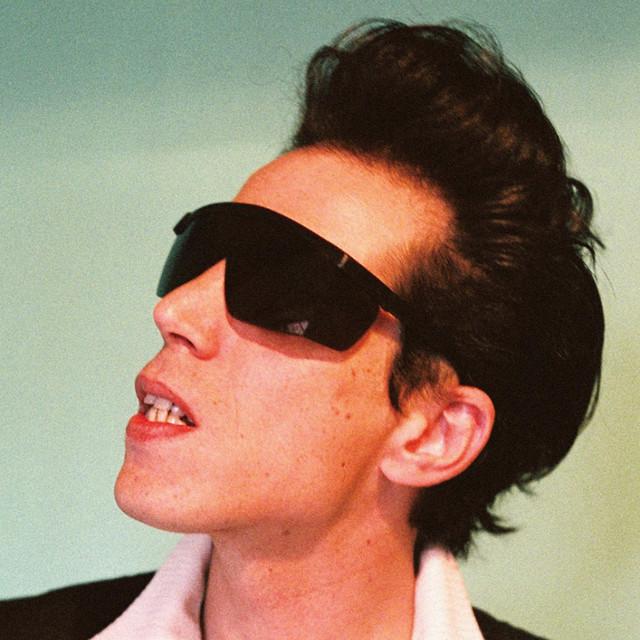
Vincent Gallo’s Spotify BioVincent Gallo may be best known as an actor in such cult movies as Buffalo 66 (for which he also served as director and writer), but he's also issued several albums over the years, both as a solo artist and as a member of such obscure outfits as Bohack. Born on April 11, 1961, in Buffalo, NY, Gallo began playing guitar in garage bands during the early '70s, during which time he developed an appreciation of both prog rock and proto-punk bands. Gallo did time in such obscure Buffalo-based outfits as the Blue Mood, Zephyr (no relation to the late-'60s rock band of the same name), and the Plastics, before relocating to New York City at the age of 16, and forming a group with soon-to-be renowned artist Jean Michel Basquiat called Gray. Although the group played regularly at such N.Y.C. hot spots as Max's Kansas City, CBGB's, Hurrahs, and the Mudd Club, the group split up before any recordings could be made. Gallo found himself as part of such further outfits during the early '80s, including… the one-man band the Nonsexuals, the rap duo Trouble Deuce, and the aforementioned Bohack; the latter being Gallo's first project to issue an album, 1983's It Took Several Wives.
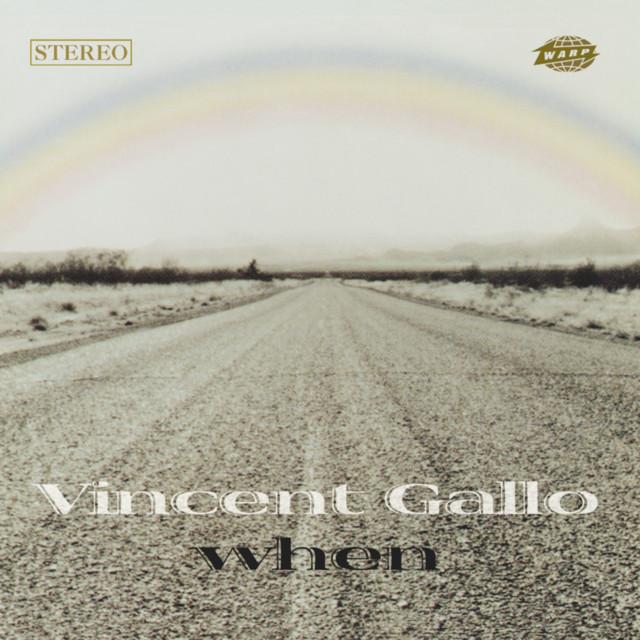
Upon the group's split-up shortly thereafter, Gallo turned his back on a musical career, and focused primarily on acting in movies; landing steady work as either an actor, director, or composer. After including several of his own original compositions on 1998's Buffalo 66 soundtrack, Gallo decided to give a musical career another shot, forming the group Bunny with guitarist Lucas Haas. Despite a successful Japanese tour and a debut album completed for Sony (with renowned Yes producer Eddie Offord overseeing the recording), the group split up, resulting in the shelving of the debut's release. After relocating to Los Angeles, Gallo began laying down solo demos at his home recording studio, which attracted the attention of Warp Records. The early 21st century saw the release of such critically acclaimed solo Gallo full-lengths as 2001's When and 2002's Recordings of Music for Film. ~ Greg Prato, Rovi
Viberate is a music analytics platform built for A&Rs, artist managers, labels, booking agents, marketers, and artists.
It helps music professionals track artist growth, analyze audience data, monitor playlist activity, compare artists, follow song performance, and identify opportunities across the music market.
Public artist pages provide a free preview of selected artist data. Paid plans provide access to deeper analytics, historical data, charts, comparisons, playlist tools, exports, alerts, reports, and additional professional features.
Yes. Public Viberate artist pages provide selected artist analytics and music data for free.
Viberate also offers a 7-day free trial of the full platform. A credit card is required to start the trial. The trial includes access to the complete product so users can test deeper artist analytics, historical views, playlist insights, comparisons, charts, exports, alerts, and reporting features before choosing a paid plan.
Viberate provides artist analytics across streaming, playlists, social media, video, radio airplay, songs, and audience markets.
Users can analyze Spotify performance, Spotify and Apple Music playlists, YouTube activity, TikTok and Instagram growth, radio spins, song performance, audience locations, demographics, rankings, and overall artist momentum.
Artist profiles also connect to music charts, similar artists, and comparison tools, helping users benchmark performance and evaluate artists in context.
Viberate updates key artist and track data daily.
For followed artists and tracks, selected data is refreshed multiple times per day. This helps teams monitor playlist changes, streaming movement, audience growth, releases, and campaign performance with more current data.
Update frequency can vary depending on the metric and data source.
Yes. Viberate lets users compare up to five artists side by side across streaming, social media, audience, and engagement metrics.
Users can compare fanbase growth, audience demographics, locations, Spotify performance, social metrics, and other artist data over selected time periods.
Artist comparison can be used for A&R scouting, benchmarking, booking decisions, campaign planning, and evaluating artists with similar audiences or market positions.