Pram

Rock
Alternative Rock
Post Rock
 Viberate Rank: 175254
 Viberate Rank: 175254
 Monthly ListenersFollowers
 Subscribers
 Followers
 Followers
 FansTop Spotify Songs
| Track | 7-Day Streams | |
|---|---|---|
1 | 4.00K | |
2 | 2.15K | |
3 | 1.62K | |
4 | 1.47K | |
5 | 1.20K |
Top YouTube Videos| Video | 7-Day Views | |
|---|---|---|
1 | 6 | |
2 | 3 | |
3 | 1 | |
4 | 1 |
Monthly ListenersFeatured in Playlists| Playlist | Followers | |
|---|---|---|
1 |  Neo-Psychedelic Rock Spotify | 583.63K |
2 |  hauntology Spotify | 204.49K |
3 |  Detective Jazz/ Crime Jazz/ Neo-Noir Jazz Braulio | 57.63K |
4 |  Twin Peaks Vibes 📺 maddie f | 36.93K |
5 |  Film noir | Jazz noir - Quiet dark jazz - Contemporary Post-bob The Playlist Factory | 26.59K |
Audience| City | Monthly Listeners | |
|---|---|---|
1 |  | 670 |
2 | | 573 |
3 | | 549 |
4 | | 543 |
5 | | 447 |
See full performance history, audience data, playlist activity, rankings, comparisons, and more in Viberate music analytics. Start with a free trial, then continue with a paid plan.
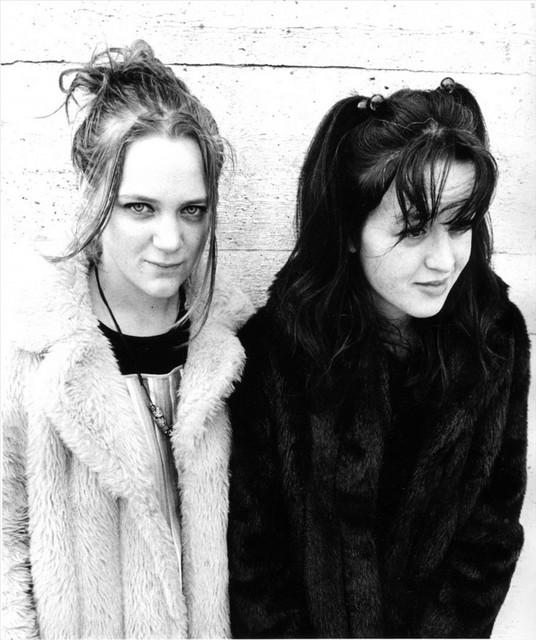
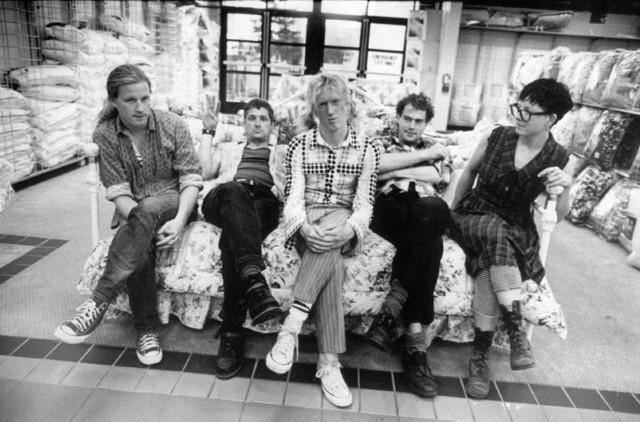
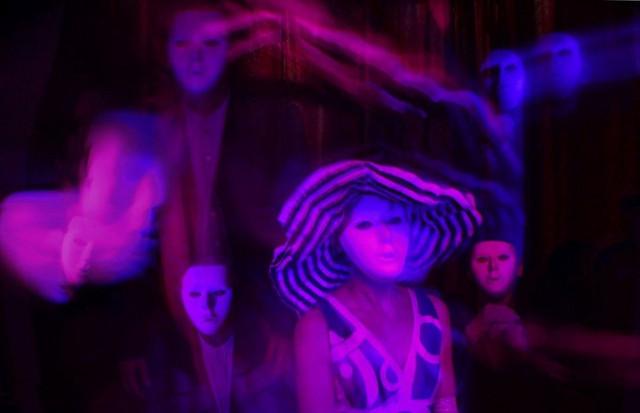
Pram’s Spotify BioA band whose name perfectly sums up their aesthetic, Birmingham, England's Pram create evocative -- and very British -- electronic pop that's equally childlike and sophisticated, unsettling, and quaint. As inspired by children's television and animation as the experiments of Can, Faust, the Raincoats, Alice Coltrane, and the Residents, the band's vision was clear from the start. On early albums such as Helium (1994) and the following year's Sargasso Sea, they textured odd melodies and hypnotic beats with toy pianos, triangles, glockenspiels, glass hammers, and even a Hawaiian bubble machine. Their mysterious sound arguably peaked in the 2000s, with the luminous Museum of Imaginary Animals (2000), the moody Dark Island (2003), and the eclectic vignettes of The Moving Frontier (2007), expanding and showcasing their music's depth and breadth with touches of dub, bhangra, space jazz, and more. Even after a lengthy hiatus, Pram's distinctive allure proved potent on Across the Meridian… (2018), which incorporated new sounds with results that remained one-of-a-kind.
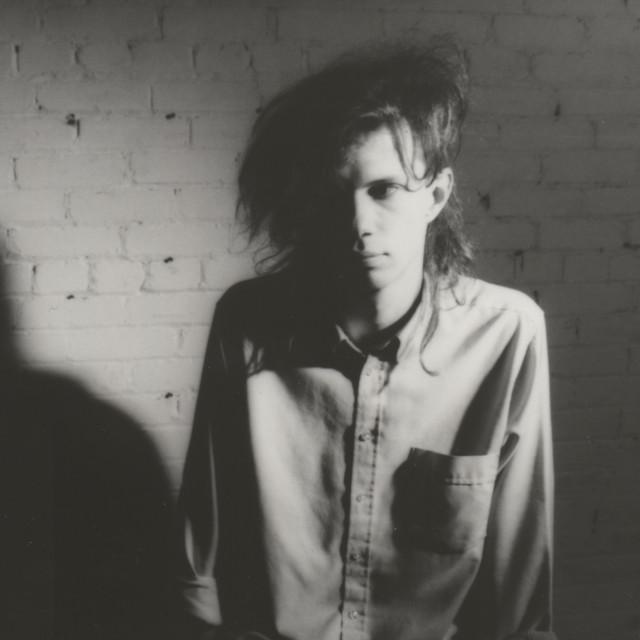
Pram's origins date back to 1988, when vocalist/keyboardist Rosie Cuckston, guitarist Matt Eaton, and drummer Andy Weir, a trio of former schoolmates, met bassist/vocalist Samantha "Sam" Owen and began making music together in Birmingham, England. Initially going by the name Hole, they soon switched to Pram and added keyboardist/sampler Max Simpson to their ranks. After releasing their bare-bones 1992 EP debut, Gash -- which featured production by Godflesh and Jesu's Justin Broadrick -- a deal with Too Pure Records followed in 1993. That year's debut for the label, the Iron Lung EP, reflected the band's increasingly sophisticated sound. Following its release, Weir departed and was replaced by Darren Garratt, who joined in time to record the band's first full-length, The Stars Are So Big, the Earth Is So Small...Stay as You Are. Arriving in September 1993, the album's sonic and structural experiments expanded Pram's horizons and laid the groundwork for their later flights of fancy. The following year, the band delivered the Meshes EP and their second album, Helium, both of which found Pram delving deeper into sampling and borrowing from jazz and hip-hop.
Though the band continued to innovate on 1995's more melodic Sargasso Sea, Pram's sales didn't meet Too Pure's expectations, and the label dropped them at the end of the year. Despite this, they remained as busy as ever: Pram self-released 1995's demos and live collection Perambulations, while 1996's Music for Your Movies EP appeared on Duophonic, the imprint of their former Too Pure labelmates Stereolab. That year also saw the release of the single "Omnichord/Sixty Years of Telephony" on Wurlitzer Jukebox. In addition to the single "The Last Astronaut," Pram's activity in 1997 included a reissue of Gash that included Perambulations material and the addition of drummer Mark Butterworth to the lineup.
Pram's fortunes stabilized in 1998, when the band signed to Domino Records and had their music distributed by Merge Records in the U.S. The labels issued the band's fourth album, the Ennio Morricone- and Perrey-Kingsley-influenced North Pole Radio Station, that year. The band was even more active in 1999, with releases that included their soundtrack to the animated short film Keep in a Dry Place Away from Children, the singles and EPs comp Telemetric Melodies, and the Sleepy Sweet EP.
By 2000, Pram shuffled their lineup again, with former Broadcast drummer Steve Perkins, Blissbody multi-instrumentalist Nick Sales, and trumpeter Alex Clare joining the fold for the band's fifth album The Museum of Imaginary Animals, which featured some of their most accessible music to date. The following year's Somniloquy EP followed suit, and included remixes by the likeminded Plone as well as Andy Votel. After 2003's suitably spooky Dark Island -- whose single "Track of the Cat" was used in commercials as well as the film Hallam Foe -- Pram worked on other projects, such as the Static Caravan compilation Binary Oppositions, to which they contributed a track, and a remix of a song by Indian singer Mohammed Rafi, "Babul Ki Duayein Leti Ja." Eaton collaborated on a score to the classic silent film Nosferatu with Grandmaster Gareth from the band Misty's Big Adventure, who provided string arrangements on Dark Island and Pram's following album, The Moving Frontier. Released in 2007 in the U.K. and nearly a year later in the U.S., the album introduced trombonist/Theremin and stylophone player Harry Dawes and took a more eclectic approach to the band's exquisite atmospheres. After the release of the following year's Prisoner of the 7 Pines EP and the video collection Shadow Shows of the Phantascope, Pram went on hiatus for nearly a decade. During that time, the band's members focused on other projects, including Eaton's work as Micronormous and as a sound designer.
When Pram returned in 2016, their lineup consisted of Owen, Eaton, Simpson, and Dawes; since Cuckston chose to focus on her career in writing and academia, Owen stepped in as the band's main vocalist. One of the reunited band's first projects was 2017's for-Wards, a city-wide "musical map" that represented Birmingham's different wards with ten pieces of original music. Along with a performance at Switzerland's Imaginary Musics Festival, Pram also began work on their eighth album. Recorded in Wales as well as their own Birmingham studio, 2018's Across the Meridian picked up where the band left off, incorporating '30s jazz and sci-fi soundtrack influences along with their bewitching electronic pop. ~ Heather Phares & Jason Ankeny, Rovi
Viberate is a music analytics platform built for A&Rs, artist managers, labels, booking agents, marketers, and artists.
It helps music professionals track artist growth, analyze audience data, monitor playlist activity, compare artists, follow song performance, and identify opportunities across the music market.
Public artist pages provide a free preview of selected artist data. Paid plans provide access to deeper analytics, historical data, charts, comparisons, playlist tools, exports, alerts, reports, and additional professional features.
Yes. Public Viberate artist pages provide selected artist analytics and music data for free.
Viberate also offers a 7-day free trial of the full platform. A credit card is required to start the trial. The trial includes access to the complete product so users can test deeper artist analytics, historical views, playlist insights, comparisons, charts, exports, alerts, and reporting features before choosing a paid plan.
Viberate provides artist analytics across streaming, playlists, social media, video, radio airplay, songs, and audience markets.
Users can analyze Spotify performance, Spotify and Apple Music playlists, YouTube activity, TikTok and Instagram growth, radio spins, song performance, audience locations, demographics, rankings, and overall artist momentum.
Artist profiles also connect to music charts, similar artists, and comparison tools, helping users benchmark performance and evaluate artists in context.
Viberate updates key artist and track data daily.
For followed artists and tracks, selected data is refreshed multiple times per day. This helps teams monitor playlist changes, streaming movement, audience growth, releases, and campaign performance with more current data.
Update frequency can vary depending on the metric and data source.
Yes. Viberate lets users compare up to five artists side by side across streaming, social media, audience, and engagement metrics.
Users can compare fanbase growth, audience demographics, locations, Spotify performance, social metrics, and other artist data over selected time periods.
Artist comparison can be used for A&R scouting, benchmarking, booking decisions, campaign planning, and evaluating artists with similar audiences or market positions.