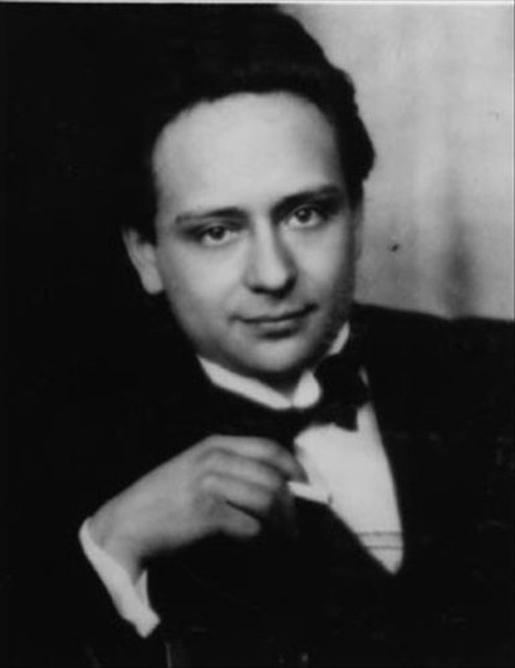
Viktor Ullmann

Classical
Chamber Music
 Viberate Rank: 636991
 Viberate Rank: 636991
 Monthly ListenersFollowers
 Subscribers
 Followers
 Followers
 FansTop Spotify SongsTop YouTube VideosMonthly ListenersFeatured in Playlists
| Playlist | Followers | |
|---|---|---|
1 |  Dramatic Classical and Classical Bangers EMITHA | 48.67K |
2 |  Classical, Orchestral, and Symphonic EMITHA | 34.88K |
3 |  Best Classical Music EMITHA | 32.05K |
4 |  Classical Essentials EMITHA | 17.10K |
5 |  Slow and Emotional Classical EMITHA | 14.44K |
Audience| City | Monthly Listeners | |
|---|---|---|
1 |  | 43 |
2 |  | 21 |
3 | | 19 |
4 | | 19 |
5 | | 18 |
See full performance history, audience data, playlist activity, rankings, comparisons, and more in Viberate music analytics. Start with a free trial, then continue with a paid plan.
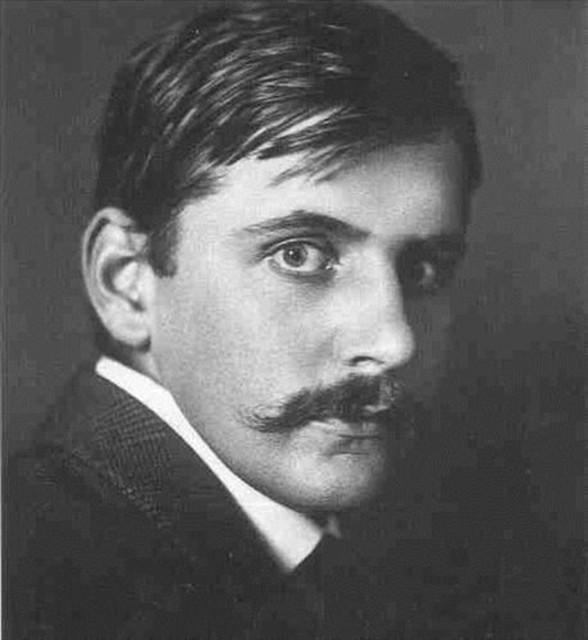
Viktor Ullmann’s Spotify BioViktor Ullmann was among the most talented Czech composers of his generation and might well today be ranked just below the leading composers of the twentieth century but for the fact his life was cut tragically short at the Auschwitz death camp at age 46. Ullmann wrote music in a variety of genres, including opera, symphonic, chamber, piano solo, and song. He started out among the more progressive composers of his time, soaking up the influence of Schoenberg, but by the early '30s he was moderating his style, and during the war, as a prisoner of the Nazis, his music became even more accessible. Today, amid the rediscovery of works by many of the composers victimized by the Holocaust, Ullmann's compositions are gaining supporters, and it would seem that while he likely will not emerge from the back ranks soon, his seven piano sonatas, Schoenberg Variations (for piano solo and for orchestra), Second Symphony, Third Quartet, and several songs may gain regular performances in concert halls… and recording studios.
Viktor Ullmann was born in Teschen, Czechoslovakia, on January 1, 1898. He was raised a Roman Catholic by parents who had converted from Judaism. After studying music theory from 1914, he enrolled at Vienna University in 1918 for law studies, but by year's end was studying with Arnold Schoenberg. Ullmann completed studies in Prague, where he was mentored in the early part of his career by Alexander von Zemlinsky. Ullmann served as a répétiteur there and choral director, and then from 1922 as conductor at the opera house of the New German Theatre of Prague.
His earliest works, mostly songs, piano, and chamber works, were attracting attention in the mid-'20s, but it was in 1929, with the appearance of the Concerto for Orchestra and the revised version of the Schoenberg Variations, that Ullmann gained international notice.
Owing to the Nazi's rise to power, Ullmann returned to Prague in 1933, where he taught music, worked for Czechoslovak Radio, and wrote music criticism. He twice received the Emil Hertzka Prize for composition there -- in 1934 for the orchestral version of the Schoenberg Variations and in 1936 for his opera The Fall of the Antichrist. In 1942 Ullmann was arrested and sent to the Theresienstadt concentration camp. There he continued to compose and perform music (he was an accomplished pianist) until he was deported to Auschwitz and executed on October 18, 1944.
Viberate is a music analytics platform built for A&Rs, artist managers, labels, booking agents, marketers, and artists.
It helps music professionals track artist growth, analyze audience data, monitor playlist activity, compare artists, follow song performance, and identify opportunities across the music market.
Public artist pages provide a free preview of selected artist data. Paid plans provide access to deeper analytics, historical data, charts, comparisons, playlist tools, exports, alerts, reports, and additional professional features.
Yes. Public Viberate artist pages provide selected artist analytics and music data for free.
Viberate also offers a 7-day free trial of the full platform. A credit card is required to start the trial. The trial includes access to the complete product so users can test deeper artist analytics, historical views, playlist insights, comparisons, charts, exports, alerts, and reporting features before choosing a paid plan.
Viberate provides artist analytics across streaming, playlists, social media, video, radio airplay, songs, and audience markets.
Users can analyze Spotify performance, Spotify and Apple Music playlists, YouTube activity, TikTok and Instagram growth, radio spins, song performance, audience locations, demographics, rankings, and overall artist momentum.
Artist profiles also connect to music charts, similar artists, and comparison tools, helping users benchmark performance and evaluate artists in context.
Viberate updates key artist and track data daily.
For followed artists and tracks, selected data is refreshed multiple times per day. This helps teams monitor playlist changes, streaming movement, audience growth, releases, and campaign performance with more current data.
Update frequency can vary depending on the metric and data source.
Yes. Viberate lets users compare up to five artists side by side across streaming, social media, audience, and engagement metrics.
Users can compare fanbase growth, audience demographics, locations, Spotify performance, social metrics, and other artist data over selected time periods.
Artist comparison can be used for A&R scouting, benchmarking, booking decisions, campaign planning, and evaluating artists with similar audiences or market positions.