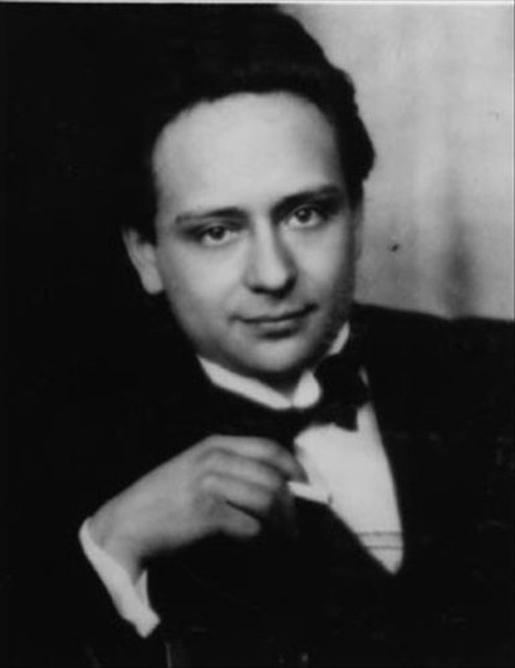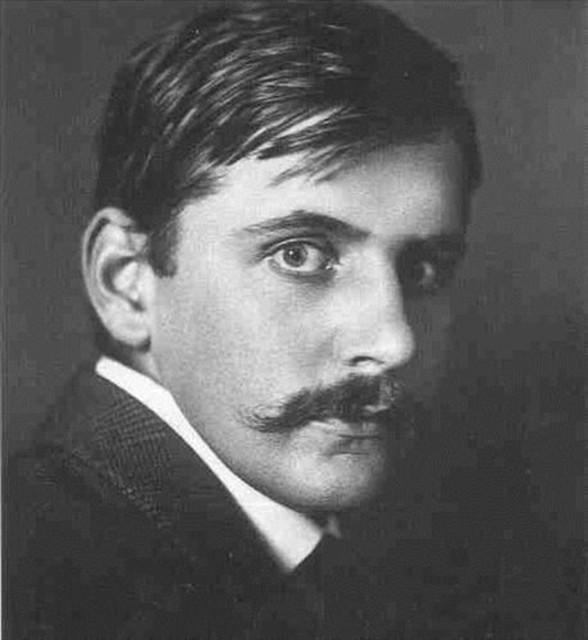
Othmar Schoeck

Classical
Classical Crossover
 Viberate Rank: 645050
 Viberate Rank: 645050
 Monthly ListenersFollowers
 Subscribers
 Followers
 Followers
 FansTop Spotify SongsTop YouTube VideosMonthly ListenersFeatured in Playlists
| Playlist | Followers | |
|---|---|---|
1 |  NPR Classical NPR Music | 14.43K |
2 |  Chamber Music for Self-Renewal synergy555 | 4.21K |
3 |  ECM Records: 2001 - 2603 Ulysses' Classical | 2.92K |
4 | - xenragedcinema | 2.36K |
5 |  Calm/Tranquil Chamber Music synergy555 | 1.50K |
Audience| City | Monthly Listeners | |
|---|---|---|
1 | | 45 |
2 |  | 15 |
3 | | 13 |
4 |  | 12 |
5 | | 12 |
See full performance history, audience data, playlist activity, rankings, comparisons, and more in Viberate music analytics. Start with a free trial, then continue with a paid plan.
Othmar Schoeck’s Spotify BioOthmar Schoeck was an important Swiss composer during the first half of the twentieth century. In contrast to the more dissonant style pursued by contemporaries, Schoeck is known for his essentially tonal music and his attention to melodic values, rather than dissonant effects. As to his many works, Schoeck made major contributions to lieder with his numerous settings of song texts.
Schoeck studied formally at the Zurich Conservatory and during the period 1907-08 worked privately with Max Reger in Leipzig. When he returned to Zurich in 1908, he established a career that involved composition and conducting. Among his earliest works is a Serenade for Orchestra (1908) which was part of a composition festival in Baden. He quickly became recognized as a composer for orchestra and song; he held various teaching positions and performed on piano to accompany his wife, and several other singers. Schoeck remained in Switzerland throughout his career, where he was regarded as the country's… foremost musician. In addition to lieder and orchestral works, Schoeck composed several operas, the most important of which is Penthesilea (1927), an impressive setting of Kleist's drama. Of his other works, it is notable that he composed various settings for male chorus, a medium associated with song of the choral societies of the nineteenth century.
Stylistically Schoeck's clearly tonal works involve some careful and effective use of dissonance. His music is reminiscent of Hindemith from the 1930s and 1940s. As with Hindemith, Schoeck's strong anchoring in traditional harmony and conventional forms made his music more accessible to the general public.
Viberate is a music analytics platform built for A&Rs, artist managers, labels, booking agents, marketers, and artists.
It helps music professionals track artist growth, analyze audience data, monitor playlist activity, compare artists, follow song performance, and identify opportunities across the music market.
Public artist pages provide a free preview of selected artist data. Paid plans provide access to deeper analytics, historical data, charts, comparisons, playlist tools, exports, alerts, reports, and additional professional features.
Yes. Public Viberate artist pages provide selected artist analytics and music data for free.
Viberate also offers a 7-day free trial of the full platform. A credit card is required to start the trial. The trial includes access to the complete product so users can test deeper artist analytics, historical views, playlist insights, comparisons, charts, exports, alerts, and reporting features before choosing a paid plan.
Viberate provides artist analytics across streaming, playlists, social media, video, radio airplay, songs, and audience markets.
Users can analyze Spotify performance, Spotify and Apple Music playlists, YouTube activity, TikTok and Instagram growth, radio spins, song performance, audience locations, demographics, rankings, and overall artist momentum.
Artist profiles also connect to music charts, similar artists, and comparison tools, helping users benchmark performance and evaluate artists in context.
Viberate updates key artist and track data daily.
For followed artists and tracks, selected data is refreshed multiple times per day. This helps teams monitor playlist changes, streaming movement, audience growth, releases, and campaign performance with more current data.
Update frequency can vary depending on the metric and data source.
Yes. Viberate lets users compare up to five artists side by side across streaming, social media, audience, and engagement metrics.
Users can compare fanbase growth, audience demographics, locations, Spotify performance, social metrics, and other artist data over selected time periods.
Artist comparison can be used for A&R scouting, benchmarking, booking decisions, campaign planning, and evaluating artists with similar audiences or market positions.