Victor Lewis

Jazz
Smooth Jazz
Bebop
 Viberate Rank: 399167
 Viberate Rank: 399167
 Monthly ListenersFollowers
 Subscribers
 Followers
 Followers
 FansTop Spotify Songs
| Track | 7-Day Streams | |
|---|---|---|
1 | 1.71K | |
2 | 712 | |
3 | 288 | |
4 | 104 | |
5 | 84 |
Top YouTube VideosMonthly ListenersFeatured in Playlists| Playlist | Followers | |
|---|---|---|
1 |  Master Of None Season 1 Master of None | 58.12K |
2 |  Morning Café Jazz aspen | 51.20K |
3 |  The Best Female Blues & Jazz Vocals | Don's Tunes Don's Tunes | 15.00K |
4 |  JAZZ FUSION FUNK AND SOUL Jazz Fusion Funk&Soul | 11.91K |
5 |  Fast Jazz! Filip Grbović | 10.84K |
Audience| City | Monthly Listeners | |
|---|---|---|
1 | | 20 |
2 |  | 15 |
3 |  | 14 |
4 |  | 12 |
5 |  | 11 |
See full performance history, audience data, playlist activity, rankings, comparisons, and more in Viberate music analytics. Start with a free trial, then continue with a paid plan.
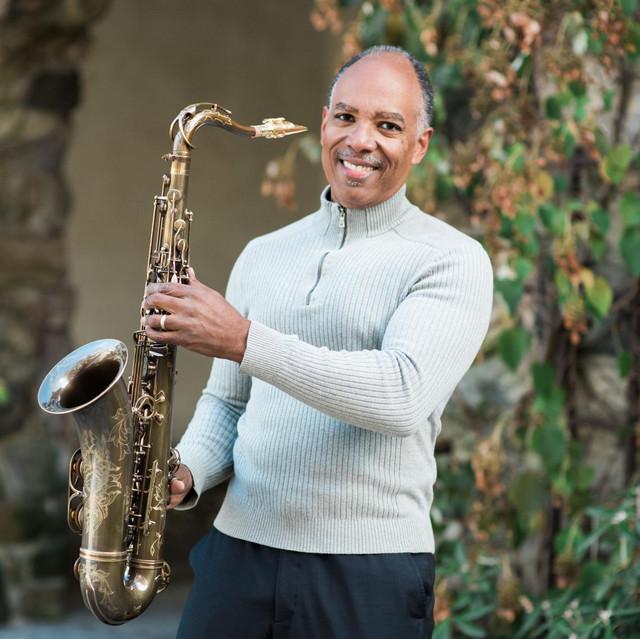
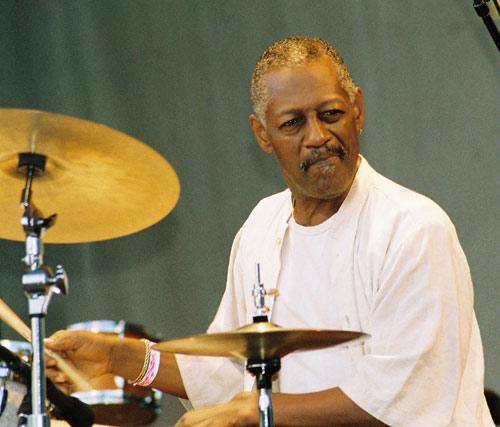
Victor Lewis’ Spotify BioA major drummer since the 1980s who is capable of swinging hard in a variety of modern settings, Victor Lewis has been a strong asset on a countless number of sessions. His parents were musicians who toured with territory bands. Lewis studied cello, piano (he had four years of classical lessons), and then drums. Born in Omaha, NE, Lewis had his first local gigs when he was 15, and after graduating from high school he was a music major at the University of Nebraska. After his band opened for the Herbie Hancock Sextet in 1972, Lewis was encouraged by Buster Williams and Billy Hart to move to New York. After a brief stay in Minnesota, Lewis did relocate to N.Y.C. in 1974, and soon he was in great demand. He performed with many top artists including Woody Shaw, Carla Bley, David Sanborn, and Dexter Gordon; between 1980 and 1991 he was a member of Stan Getz's quartet, which also included pianist Kenny Barron and bassist Rufus Reid. For a period in the 1990s he was well featured with Horizon… (a group he co-led with Bobby Watson). In addition to his playing abilities, Lewis is well known for encouraging young talent, while his compositional skills have resulted in some of his songs being recorded by other jazz musicians. Lewis has led sessions of his own for Red, AudioQuest, and Enja. In 2007 he was reunited with his former Getz quartet rhythm section mates Barron and Reid to record We Used to Dance (with session leader Joel Frahm on tenor sax). ~ Scott Yanow, Rovi
Viberate is a music analytics platform built for A&Rs, artist managers, labels, booking agents, marketers, and artists.
It helps music professionals track artist growth, analyze audience data, monitor playlist activity, compare artists, follow song performance, and identify opportunities across the music market.
Public artist pages provide a free preview of selected artist data. Paid plans provide access to deeper analytics, historical data, charts, comparisons, playlist tools, exports, alerts, reports, and additional professional features.
Yes. Public Viberate artist pages provide selected artist analytics and music data for free.
Viberate also offers a 7-day free trial of the full platform. A credit card is required to start the trial. The trial includes access to the complete product so users can test deeper artist analytics, historical views, playlist insights, comparisons, charts, exports, alerts, and reporting features before choosing a paid plan.
Viberate provides artist analytics across streaming, playlists, social media, video, radio airplay, songs, and audience markets.
Users can analyze Spotify performance, Spotify and Apple Music playlists, YouTube activity, TikTok and Instagram growth, radio spins, song performance, audience locations, demographics, rankings, and overall artist momentum.
Artist profiles also connect to music charts, similar artists, and comparison tools, helping users benchmark performance and evaluate artists in context.
Viberate updates key artist and track data daily.
For followed artists and tracks, selected data is refreshed multiple times per day. This helps teams monitor playlist changes, streaming movement, audience growth, releases, and campaign performance with more current data.
Update frequency can vary depending on the metric and data source.
Yes. Viberate lets users compare up to five artists side by side across streaming, social media, audience, and engagement metrics.
Users can compare fanbase growth, audience demographics, locations, Spotify performance, social metrics, and other artist data over selected time periods.
Artist comparison can be used for A&R scouting, benchmarking, booking decisions, campaign planning, and evaluating artists with similar audiences or market positions.