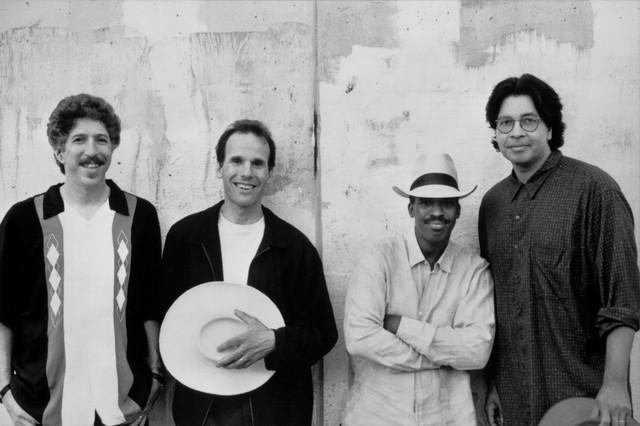
Victor Bailey

Jazz
Jazz Fusion
Bebop
 Viberate Rank: 238176
 Viberate Rank: 238176
 Monthly ListenersFollowers
 Subscribers
 Followers
 Followers
 FansTop Spotify Songs
| Track | 7-Day Streams | |
|---|---|---|
1 | 518 | |
2 | 477 | |
3 | 330 | |
4 | 238 | |
5 | 215 |
Top YouTube VideosMonthly ListenersFeatured in Playlists| Playlist | Followers | |
|---|---|---|
1 |  Bottoms Up Spotify | 168.33K |
2 | Audiophile High End René Scheilen | 17.65K |
3 |  JAZZ FUSION FUNK AND SOUL Jazz Fusion Funk&Soul | 11.91K |
4 | Burning Jazz-rock Fusion fusionprogguy | 8.92K |
5 |  Jazz-Rock Fusion Morgan Roussel | 7.54K |
Audience| City | Monthly Listeners | |
|---|---|---|
1 |  | 54 |
2 |  | 35 |
3 |  | 34 |
4 |  | 33 |
5 |  | 31 |
See full performance history, audience data, playlist activity, rankings, comparisons, and more in Viberate music analytics. Start with a free trial, then continue with a paid plan.
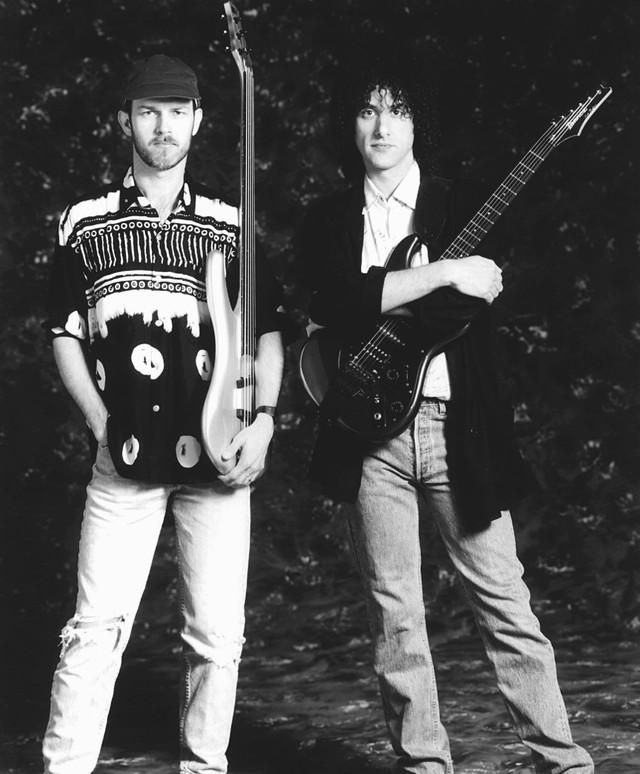
Victor Bailey’s Spotify Biob. Victor Randall Bailey, 27 March 1960, Philadelphia, Pennsylvania, USA. Bailey was raised in a very musical atmosphere. His father, Morris Bailey, wrote pop songs in the 60s and 70s for artists such as Patti LaBelle and the Stylistics, and his uncle, Donald Bailey, played drums with Jimmy Smith’s trio. Victor began playing piano at the age of seven, switching to drums three years later, before settling on the electric bass guitar at the start of his teens. He played in local R&B and funk bands before moving to New York at the end of his teenage years. He was especially aware of the developments being made in jazz bass playing by Jaco Pastorius and within a year of his arrival in the city, Bailey’s reputation as a bass player was such that he was hired to replace his idol in Weather Report. From this point onwards, Bailey’s name was known worldwide and his reputation was high in various musical fields. This was doubtless helped by his eclecticism because he did not restrict himself… to playing in jazz fusion bands. Instead, he played and recorded with a wide range of artists from the worlds of jazz, R&B, hip-hop and pop, among them Chick Corea, Branford Marsalis, Grover Washington Jnr. , Sean ‘Puffy’ Combs, Mary J. Blige and Madonna.
In the late 80s Bailey recorded a solo bass album that was rapturously received by the critics. Fans liked it, too, and it achieved number 1 in Billboard’s Contemporary Jazz charts. Nevertheless, it was to be over 10 years before he again led a date. In the meantime, however, he appeared on scores of CDs, played countless live gigs, and also extended his activities into writing music and producing recording dates. In performance, Bailey’s playing consistently demonstrates his musical skills and intelligence, whether he is working funky grooves in collaboration with long-time associate drummer Dennis Chambers, or finding plangent lyricism in a tribute to Pastorius on ‘Continuum’, featured on 1999’s Low Blow. Much admired by his bass playing peers, Bailey’s ability to appeal to the general audience is remarkable. At the end of the 90s, he joined former Weather Report partner, Joe Zawinul in the Syndicate and worked with artists such as Kenny Garrett and saxophonist Bill Evans, both of who appeared on his second album as leader.
Viberate is a music analytics platform built for A&Rs, artist managers, labels, booking agents, marketers, and artists.
It helps music professionals track artist growth, analyze audience data, monitor playlist activity, compare artists, follow song performance, and identify opportunities across the music market.
Public artist pages provide a free preview of selected artist data. Paid plans provide access to deeper analytics, historical data, charts, comparisons, playlist tools, exports, alerts, reports, and additional professional features.
Yes. Public Viberate artist pages provide selected artist analytics and music data for free.
Viberate also offers a 7-day free trial of the full platform. A credit card is required to start the trial. The trial includes access to the complete product so users can test deeper artist analytics, historical views, playlist insights, comparisons, charts, exports, alerts, and reporting features before choosing a paid plan.
Viberate provides artist analytics across streaming, playlists, social media, video, radio airplay, songs, and audience markets.
Users can analyze Spotify performance, Spotify and Apple Music playlists, YouTube activity, TikTok and Instagram growth, radio spins, song performance, audience locations, demographics, rankings, and overall artist momentum.
Artist profiles also connect to music charts, similar artists, and comparison tools, helping users benchmark performance and evaluate artists in context.
Viberate updates key artist and track data daily.
For followed artists and tracks, selected data is refreshed multiple times per day. This helps teams monitor playlist changes, streaming movement, audience growth, releases, and campaign performance with more current data.
Update frequency can vary depending on the metric and data source.
Yes. Viberate lets users compare up to five artists side by side across streaming, social media, audience, and engagement metrics.
Users can compare fanbase growth, audience demographics, locations, Spotify performance, social metrics, and other artist data over selected time periods.
Artist comparison can be used for A&R scouting, benchmarking, booking decisions, campaign planning, and evaluating artists with similar audiences or market positions.