Gary Willis

Jazz
Jazz Fusion
 Viberate Rank: 131022
 Viberate Rank: 131022
 Monthly ListenersFollowers
 Subscribers
 Followers
 Followers
 FansTop Spotify Songs
| Track | 7-Day Streams | |
|---|---|---|
1 | 1.65K | |
2 | 497 | |
3 | 487 | |
4 | 338 | |
5 | 308 |
Top YouTube VideosMonthly ListenersFeatured in Playlists| Playlist | Followers | |
|---|---|---|
1 |  Fusion Fest Spotify | 220.08K |
2 |  Bottoms Up Spotify | 168.33K |
3 |  Prog Jazz Spotify | 63.33K |
4 |  Pocket Spotify | 36.84K |
5 |  JAZZ FUSION FUNK AND SOUL Jazz Fusion Funk&Soul | 11.91K |
Audience| City | Monthly Listeners | |
|---|---|---|
1 |  | 110 |
2 |  | 87 |
3 |  | 53 |
4 | | 51 |
5 |  | 50 |
See full performance history, audience data, playlist activity, rankings, comparisons, and more in Viberate music analytics. Start with a free trial, then continue with a paid plan.
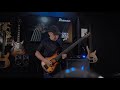
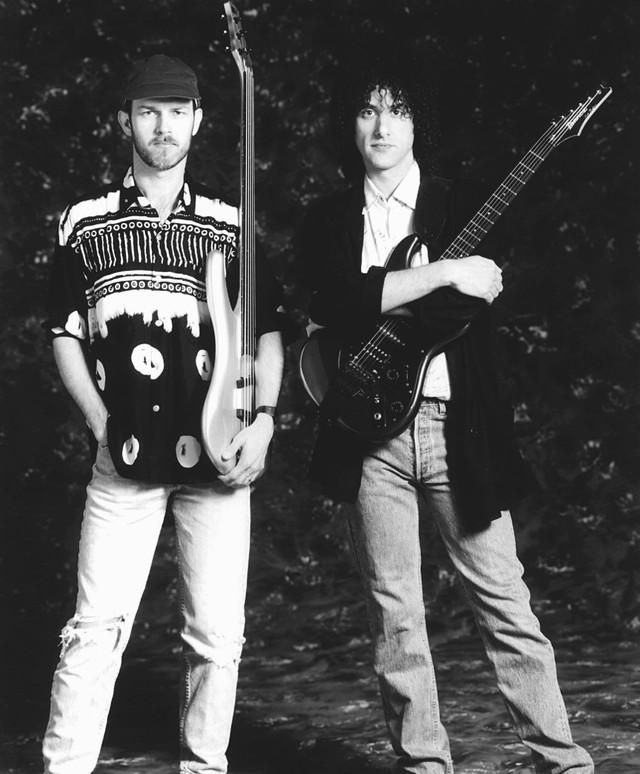
Gary Willis’ Spotify Biob. 28 March 1957, Longview, Texas, USA. Willis took up the bass when he was 13 years old, playing initially in church. Two years later, he also began playing guitar and studying harmony. After a while using both instruments, he abandoned the guitar to concentrate on bass. Although he studied music, for some time at North Texas State University, on the instrument he was entirely self-taught. Mostly, he played in casual settings, sitting in with other musical students and just playing for kicks. Eventually, however, he realized that he could combine doing what he loved to do with making money. In the early 80s he moved to Los Angeles where he developed parallel careers as a performer and as an educationalist. In the former capacity, he became co-leader with guitarist Scott Henderson of Tribal Tech. As a teacher, Willis became a course leader at Musicians Institute in Hollywood and also taught at the California Institute of the Arts. He also produced an educational video, Progressive… Bassics, and books, Fingerboard Harmony For Bass, The Gary Willis Collection, containing transcriptions of some of his original tunes, and 101 Tips For Bass. He has also helped create the Gary Willis Signature Bass, in both fretted and fretless form, which is manufactured by Ibanez Guitars.
Despite his activities as an educator and the ongoing collaboration with Henderson on Tribal Tech, which continued until 1996, Willis found time to play and sometimes record with other artists, among whom are Wayne Shorter (1987’s Phantom Navigator) and Hubert Laws (1992’s My Time Will Come). Willis’ solo albums in 1996 and 1998 showed him to be effortlessly at home in a powerful jazz, blues and jazz rock setting with musicians such as Bob Berg and Dennis Chambers. An astonishingly gifted technician, Willis’ playing skills are always applied with taste, subtlety and an awareness of the demands of the music. Internationally admired as one of the master bass players of the jazz rock era, Willis continues to offer, by example and didactically, an assured guide to quality in contemporary music.
Viberate is a music analytics platform built for A&Rs, artist managers, labels, booking agents, marketers, and artists.
It helps music professionals track artist growth, analyze audience data, monitor playlist activity, compare artists, follow song performance, and identify opportunities across the music market.
Public artist pages provide a free preview of selected artist data. Paid plans provide access to deeper analytics, historical data, charts, comparisons, playlist tools, exports, alerts, reports, and additional professional features.
Yes. Public Viberate artist pages provide selected artist analytics and music data for free.
Viberate also offers a 7-day free trial of the full platform. A credit card is required to start the trial. The trial includes access to the complete product so users can test deeper artist analytics, historical views, playlist insights, comparisons, charts, exports, alerts, and reporting features before choosing a paid plan.
Viberate provides artist analytics across streaming, playlists, social media, video, radio airplay, songs, and audience markets.
Users can analyze Spotify performance, Spotify and Apple Music playlists, YouTube activity, TikTok and Instagram growth, radio spins, song performance, audience locations, demographics, rankings, and overall artist momentum.
Artist profiles also connect to music charts, similar artists, and comparison tools, helping users benchmark performance and evaluate artists in context.
Viberate updates key artist and track data daily.
For followed artists and tracks, selected data is refreshed multiple times per day. This helps teams monitor playlist changes, streaming movement, audience growth, releases, and campaign performance with more current data.
Update frequency can vary depending on the metric and data source.
Yes. Viberate lets users compare up to five artists side by side across streaming, social media, audience, and engagement metrics.
Users can compare fanbase growth, audience demographics, locations, Spotify performance, social metrics, and other artist data over selected time periods.
Artist comparison can be used for A&R scouting, benchmarking, booking decisions, campaign planning, and evaluating artists with similar audiences or market positions.