Versa

Rock
Progressive Rock
Post Rock
 Viberate Rank: 396144
 Viberate Rank: 396144
 Monthly ListenersFollowers
 Subscribers
 Followers
 Followers
 FansTop Spotify Songs
| Track | 7-Day Streams | |
|---|---|---|
1 | 1.14K | |
2 | 15 | |
3 | 11 | |
4 | 10 | |
5 | 10 |
Top YouTube VideosMonthly ListenersFeatured in Playlists| Playlist | Followers | |
|---|---|---|
1 |  Post-Rock for Rough Times worldhaspostrock | 11.01K |
2 | KEXP ~ PACIFIC NOTIONS Hush Hush Records | 4.16K |
3 |  Stronk music sirfoch | 3.18K |
4 | yağmurlu havalarda buraya gel zülal fidan | 2.91K |
5 | Family Friendly Taelor Ashton Boling | 2.68K |
Audience| City | Monthly Listeners | |
|---|---|---|
1 |  | 381 |
2 | | 228 |
3 | | 85 |
4 | | 40 |
5 | | 37 |
See full performance history, audience data, playlist activity, rankings, comparisons, and more in Viberate music analytics. Start with a free trial, then continue with a paid plan.
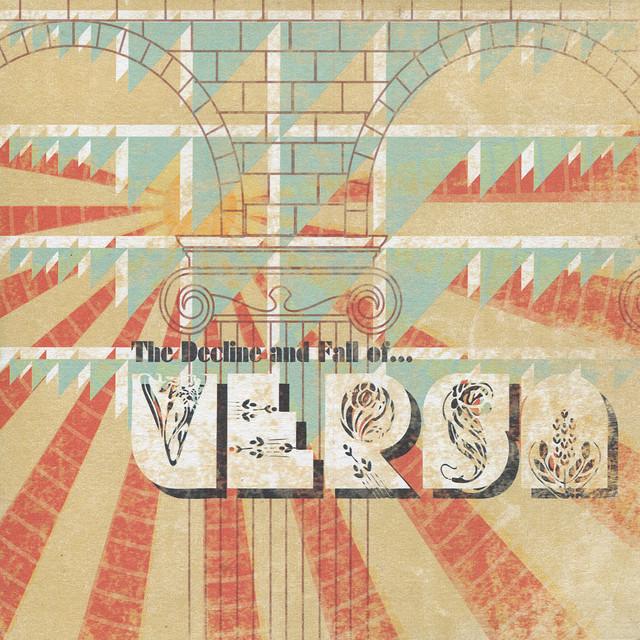
Versa’s Spotify BioVersa was formed in Victoria, British Columbia, Canada, in 2007 as an instrumental band combining elements of post-rock and progressive rock music, by Matthew Dolmage, Kevin Grady, Hollas Longton, Ben Rancourt, Anthony Theocharis, and Janelle Wrona. Kevin Grady left the band in 2010 to pursue a career as a classical percussionist and was replaced on drums by Jesse Bell. The band recorded its full-length, self-titled debut in 2008, a second LP, "the Decline & Fall Of..." in 2010, and an EP, "Common Things", in 2012.
Versa has had notable success with our instrumental post-rock song "We Are Not What We Say We Are", which has been streamed nearly 2 million times across various platforms since its release in 2010 and has featured on multiple "best post-rock song" lists.
The band went on hiatus in 2014, as Hollas pursued a PhD in music composition, Matt became a lawyer, Janelle became a nurse practitioner, Anthony participated in the founding of a successful tech start-up, and Jesse and Ben… started families. Versa re-formed in 2020 and immediately began refining old material and writing new material with the intention of recording a new album. Those sessions resulted in two full-length albums, “A Voyage / A Destination”, to be released on September 2, 2022, and “A Voyage / A Destination, Part 2” to be released in early 2023.
Viberate is a music analytics platform built for A&Rs, artist managers, labels, booking agents, marketers, and artists.
It helps music professionals track artist growth, analyze audience data, monitor playlist activity, compare artists, follow song performance, and identify opportunities across the music market.
Public artist pages provide a free preview of selected artist data. Paid plans provide access to deeper analytics, historical data, charts, comparisons, playlist tools, exports, alerts, reports, and additional professional features.
Yes. Public Viberate artist pages provide selected artist analytics and music data for free.
Viberate also offers a 7-day free trial of the full platform. A credit card is required to start the trial. The trial includes access to the complete product so users can test deeper artist analytics, historical views, playlist insights, comparisons, charts, exports, alerts, and reporting features before choosing a paid plan.
Viberate provides artist analytics across streaming, playlists, social media, video, radio airplay, songs, and audience markets.
Users can analyze Spotify performance, Spotify and Apple Music playlists, YouTube activity, TikTok and Instagram growth, radio spins, song performance, audience locations, demographics, rankings, and overall artist momentum.
Artist profiles also connect to music charts, similar artists, and comparison tools, helping users benchmark performance and evaluate artists in context.
Viberate updates key artist and track data daily.
For followed artists and tracks, selected data is refreshed multiple times per day. This helps teams monitor playlist changes, streaming movement, audience growth, releases, and campaign performance with more current data.
Update frequency can vary depending on the metric and data source.
Yes. Viberate lets users compare up to five artists side by side across streaming, social media, audience, and engagement metrics.
Users can compare fanbase growth, audience demographics, locations, Spotify performance, social metrics, and other artist data over selected time periods.
Artist comparison can be used for A&R scouting, benchmarking, booking decisions, campaign planning, and evaluating artists with similar audiences or market positions.