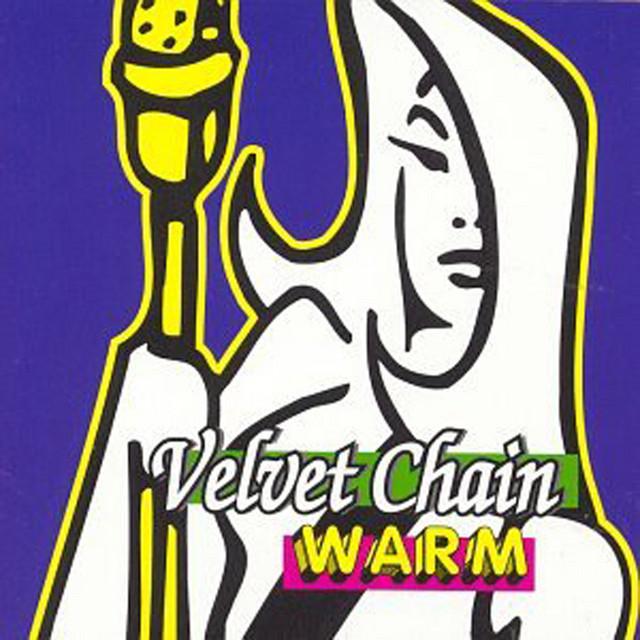
Velvet Chain

Rock
Pop Rock
 Viberate Rank: 349620
 Viberate Rank: 349620
 Monthly ListenersFollowers
 Subscribers
 Followers
 Followers
 FansTop Spotify Songs
| Track | 7-Day Streams | |
|---|---|---|
1 | 2.67K | |
2 | 1.09K | |
3 | 772 | |
4 | 146 | |
5 | 124 |
Top YouTube Videos| Video | 7-Day Views | |
|---|---|---|
1 | 18 | |
2 | 9 | |
3 | 7 | |
4 | 3 | |
5 | 3 |
Monthly ListenersFeatured in Playlists| Playlist | Followers | |
|---|---|---|
1 |  Buffy the Vampire Slayer Soundtrack Mélanie MN | 35.48K |
2 |  90s witch 🌞 linnett | 24.59K |
3 |  for fans of Trip Hop ♡ Vertigo Vinyl | 19.77K |
4 |  90s Indie & Alternative Rock artdelaguerre | 13.13K |
5 | Buffy the Vampire Slayer: Welcome to the Bronze Jesha Stukonis | 12.74K |
Audience| City | Monthly Listeners | |
|---|---|---|
1 |  | 282 |
2 |  | 166 |
3 | | 144 |
4 | | 137 |
5 | | 131 |
See full performance history, audience data, playlist activity, rankings, comparisons, and more in Viberate music analytics. Start with a free trial, then continue with a paid plan.
Velvet Chain’s Spotify BioCombining the expertise of Jeff Stacy (bass) and Erika Amato (vocals), the Velvet Chain project started in Los Angeles, CA, in the midst of the '90s. Stacy, an experienced programmer, producer, and songwriter, decided to pattern the band's single soundings for Amato's unique voice capabilities, advancing with composite and sole sound junctions, in between alternative pop/rock marks and experimental trip-hop. After establishing as a band, the duo quickly started building a large and respectable fan base. Following the release of several demo tapes and other recordings, Chain delivered their first full-length album. Warm hit the record stores in 1997, underlining the ensemble's intense tunes. In 1999 after appearing on an episode of the TV series Buffy the Vampire Slayer, the duo recorded the seven-song Buffy EP, and continued to enjoy incessant success. Moody Groove Music showed up in 2000, months before the band asked their fans to choose the themes that ended up being featured on The… Custom Velvet Chain, the band's third album, issued in 2001. ~ Mario Mesquita Borges, Rovi
Viberate is a music analytics platform built for A&Rs, artist managers, labels, booking agents, marketers, and artists.
It helps music professionals track artist growth, analyze audience data, monitor playlist activity, compare artists, follow song performance, and identify opportunities across the music market.
Public artist pages provide a free preview of selected artist data. Paid plans provide access to deeper analytics, historical data, charts, comparisons, playlist tools, exports, alerts, reports, and additional professional features.
Yes. Public Viberate artist pages provide selected artist analytics and music data for free.
Viberate also offers a 7-day free trial of the full platform. A credit card is required to start the trial. The trial includes access to the complete product so users can test deeper artist analytics, historical views, playlist insights, comparisons, charts, exports, alerts, and reporting features before choosing a paid plan.
Viberate provides artist analytics across streaming, playlists, social media, video, radio airplay, songs, and audience markets.
Users can analyze Spotify performance, Spotify and Apple Music playlists, YouTube activity, TikTok and Instagram growth, radio spins, song performance, audience locations, demographics, rankings, and overall artist momentum.
Artist profiles also connect to music charts, similar artists, and comparison tools, helping users benchmark performance and evaluate artists in context.
Viberate updates key artist and track data daily.
For followed artists and tracks, selected data is refreshed multiple times per day. This helps teams monitor playlist changes, streaming movement, audience growth, releases, and campaign performance with more current data.
Update frequency can vary depending on the metric and data source.
Yes. Viberate lets users compare up to five artists side by side across streaming, social media, audience, and engagement metrics.
Users can compare fanbase growth, audience demographics, locations, Spotify performance, social metrics, and other artist data over selected time periods.
Artist comparison can be used for A&R scouting, benchmarking, booking decisions, campaign planning, and evaluating artists with similar audiences or market positions.