Scheer

Rock
Alternative Rock
Indie Pop
Hard Rock
 Viberate Rank: 270691
 Viberate Rank: 270691
 Monthly ListenersFollowers
 Subscribers
 Followers
 Followers
 FansTop Spotify Songs
| Track | 7-Day Streams | |
|---|---|---|
1 | 848 | |
2 | 338 | |
3 | 318 | |
4 | 264 | |
5 | 224 |
Top YouTube VideosMonthly ListenersFeatured in Playlists| Playlist | Followers | |
|---|---|---|
1 | 120 Minutes full Archive frankspin | 7.87K |
2 | The Wicked + The Divine Kieron Gillen | 6.88K |
3 |  Obscure Rare And Forgotten 90's Alternative, Rock, Metal, And Grunge Deep Cuts Rick Plant | 5.01K |
4 | Metalgaze/Heavy Shoegaze Whiprust | 4.72K |
5 |  411VHS Skateboard Music Playlist Ell Dog 101 | 4.10K |
Audience| City | Monthly Listeners | |
|---|---|---|
1 |  | 53 |
2 | | 53 |
3 | | 42 |
4 | | 41 |
5 |  | 36 |
See full performance history, audience data, playlist activity, rankings, comparisons, and more in Viberate music analytics. Start with a free trial, then continue with a paid plan.
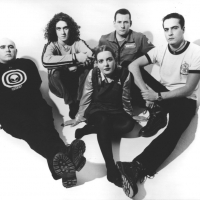
Scheer’s Spotify BioAlternative metal band Scheer formed in Northern Ireland in 1993. Bringing together Audrey Gallagher (vocals), Neal Calderwood (guitar), Joe Bates (drums), Paddy Leyden (guitar) and Peter Fleming (bass), the band experienced some success in the late 1990s. After spending a few playing small venues around Ireland, the band were signed by the small Irish record label SON, and released their debut single "Wish You Were Dead" in late 1993. There was a great deal of interest surrounding this release and Scheer followed it with the Psychobabble EP in 1994.
In April 1995, Scheer signed to the 4AD label and released the Schism EP. In 1996 the band's debut album was ready for release and this was preceded by the release of two singles: "Shea" and a revamped "Wish You Were Dead." Infliction was released in 1996 to critical acclaim, although it didn't win the band any more than a cult following. A mixture of metallic guitars and power pop, all topped with Gallagher's distinctive vocals, the album… became a minor alternative hit thanks mostly to the strength of "Wish You Were Dead." The recording of their second album began in 1997, but due to a contractual disagreement with 4AD, the release of the album was postponed indefinitely; the aptly-titled And Finally eventually appeared in mid-2000. ~ Jonathan Lewis, Rovi
Viberate is a music analytics platform built for A&Rs, artist managers, labels, booking agents, marketers, and artists.
It helps music professionals track artist growth, analyze audience data, monitor playlist activity, compare artists, follow song performance, and identify opportunities across the music market.
Public artist pages provide a free preview of selected artist data. Paid plans provide access to deeper analytics, historical data, charts, comparisons, playlist tools, exports, alerts, reports, and additional professional features.
Yes. Public Viberate artist pages provide selected artist analytics and music data for free.
Viberate also offers a 7-day free trial of the full platform. A credit card is required to start the trial. The trial includes access to the complete product so users can test deeper artist analytics, historical views, playlist insights, comparisons, charts, exports, alerts, and reporting features before choosing a paid plan.
Viberate provides artist analytics across streaming, playlists, social media, video, radio airplay, songs, and audience markets.
Users can analyze Spotify performance, Spotify and Apple Music playlists, YouTube activity, TikTok and Instagram growth, radio spins, song performance, audience locations, demographics, rankings, and overall artist momentum.
Artist profiles also connect to music charts, similar artists, and comparison tools, helping users benchmark performance and evaluate artists in context.
Viberate updates key artist and track data daily.
For followed artists and tracks, selected data is refreshed multiple times per day. This helps teams monitor playlist changes, streaming movement, audience growth, releases, and campaign performance with more current data.
Update frequency can vary depending on the metric and data source.
Yes. Viberate lets users compare up to five artists side by side across streaming, social media, audience, and engagement metrics.
Users can compare fanbase growth, audience demographics, locations, Spotify performance, social metrics, and other artist data over selected time periods.
Artist comparison can be used for A&R scouting, benchmarking, booking decisions, campaign planning, and evaluating artists with similar audiences or market positions.