Vanessa Bell Armstrong

R&B
Soul
Gospel
 Viberate Rank: 81797
 Viberate Rank: 81797
 Monthly ListenersFollowers
 Subscribers
 Followers
 Followers
 FansTop Spotify Songs
| Track | 7-Day Streams | |
|---|---|---|
1 | 10.85K | |
2 | 9.59K | |
3 | 7.77K | |
4 | 4.20K | |
5 | 2.27K |
Top YouTube VideosMonthly ListenersFeatured in Playlists| Playlist | Followers | |
|---|---|---|
1 | Black Gospel Praise and Worship diywithme772 | 81.56K |
2 | GOSPEL CLASSICS Patrice Troope | 53.45K |
3 | Old School Gospel Songs Mama Used to Sing ldboone | 17.53K |
4 | Black Gospel Hits Terrelle Smith | 14.00K |
5 |  Gospel Playlist Best milltay | 12.16K |
Audience| City | Monthly Listeners | |
|---|---|---|
1 | | 1.65K |
2 | | 1.50K |
3 | | 1.47K |
4 | | 1.47K |
5 | | 1.17K |
See full performance history, audience data, playlist activity, rankings, comparisons, and more in Viberate music analytics. Start with a free trial, then continue with a paid plan.
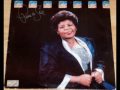
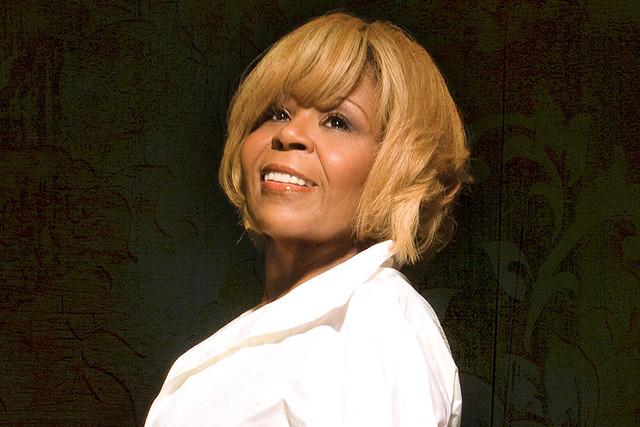
Vanessa Bell Armstrong’s Spotify BioVanessa Bell Armstrong is a revered gospel and R&B singer from Detroit with a powerful vocal style reminiscent of Aretha Franklin. After debuting with 1983's Peace Be Still, she topped the gospel charts with her second album, Chosen, and went on to earn four Grammy nominations in the '80s alone. Recording for labels like Muscle Shoals, Jive, and Verity, Armstrong's music has successfully straddled the line between secular mainstream R&B and contemporary gospel, often on the same album. After surviving a stroke in the early 2000s, she released two more albums at the end of the decade, then took a long hiatus from recording. In 2024, Armstrong signed with Shanachie Entertainment and released Today, her first album in 15 years.
Born in Detroit on October 2, 1953, Armstrong made her first recorded appearance at age 13 on a single by Mattie Moss Clark's Southwest Michigan State Choir. Although she continued singing at local talent shows, she married young and started a family just out of… high school. In 1983, she gave professional music another chance and was signed to the Onyx label in Nashville. Working with influential Detroit arranger and producer Thomas Whitfield, Armstrong released her debut album, Peace Be Still, later that year. Attracted to secular R&B, but deeply rooted in gospel, her music was a successful melding of both and the album was enough of a success that she was signed to classic soul imprint Muscle Shoals for her 1984 follow-up, Chosen. Like her debut, it earned her a Grammy nomination and this time topped Billboard's gospel chart, yielding one of her signature songs in "Nobody But Jesus." As her reputation grew, she was asked to contribute the theme song to the NBC sitcom Amen. After one more album for Muscle Shoals, 1986's Following Jesus, Armstrong signed to major-label Jive and released her highly regarded self-titled fourth album. It successfully crossed over into the mainstream market, thanks in part to the singles "You Bring Out the Best in Me" and "Press On," the latter of which earned her yet another Grammy nomination. 1988's Wonderful One included her cover of the anti-Apartheid song "Something Inside So Strong," written by Labi Siffre, which she later re-recorded with fellow gospel stars Shirley Caesar, Fred Hammond, Tramaine Hawkins, and Yolanda Adams as part of a 1995 tribute to Civil Rights icon Rosa Parks.
In the early '90s, Armstrong ventured into acting, appearing in the Broadway musical Don't Get God Started and the Oprah Winfrey special The Women of Brewster Place. She recorded two more albums for Jive, 1990's The Truth About Christmas and 1993's Something on the Inside, before switching to the Verity label for a live album, Desire of My Heart: Live in Detroit.
2001's A Brand New Day kicked off a new deal with Tommy Boy Gospel, but her career was soon derailed by personal and health issues. While caring for her son who was diagnosed with multiple sclerosis, Armstrong suffered a stroke. She recovered and made another solo album, 2007's Walking Miracle, an album whose title track was written about her son. Another lengthy hiatus followed its release, this time stretching into the 2020s. In 2024, Armstrong delivered the single "Today," as the title track from her 14th album. Her first for the Shanachie label, the record was released in June of that year. ~ Timothy Monger, Rovi
Viberate is a music analytics platform built for A&Rs, artist managers, labels, booking agents, marketers, and artists.
It helps music professionals track artist growth, analyze audience data, monitor playlist activity, compare artists, follow song performance, and identify opportunities across the music market.
Public artist pages provide a free preview of selected artist data. Paid plans provide access to deeper analytics, historical data, charts, comparisons, playlist tools, exports, alerts, reports, and additional professional features.
Yes. Public Viberate artist pages provide selected artist analytics and music data for free.
Viberate also offers a 7-day free trial of the full platform. A credit card is required to start the trial. The trial includes access to the complete product so users can test deeper artist analytics, historical views, playlist insights, comparisons, charts, exports, alerts, and reporting features before choosing a paid plan.
Viberate provides artist analytics across streaming, playlists, social media, video, radio airplay, songs, and audience markets.
Users can analyze Spotify performance, Spotify and Apple Music playlists, YouTube activity, TikTok and Instagram growth, radio spins, song performance, audience locations, demographics, rankings, and overall artist momentum.
Artist profiles also connect to music charts, similar artists, and comparison tools, helping users benchmark performance and evaluate artists in context.
Viberate updates key artist and track data daily.
For followed artists and tracks, selected data is refreshed multiple times per day. This helps teams monitor playlist changes, streaming movement, audience growth, releases, and campaign performance with more current data.
Update frequency can vary depending on the metric and data source.
Yes. Viberate lets users compare up to five artists side by side across streaming, social media, audience, and engagement metrics.
Users can compare fanbase growth, audience demographics, locations, Spotify performance, social metrics, and other artist data over selected time periods.
Artist comparison can be used for A&R scouting, benchmarking, booking decisions, campaign planning, and evaluating artists with similar audiences or market positions.