Twinkie Clark

Religious
Christian Music
Gospel
 Viberate Rank: 83208
 Viberate Rank: 83208
 Monthly ListenersFollowers
 Subscribers
 Followers
 Followers
 FansTop Spotify Songs
| Track | 7-Day Streams | |
|---|---|---|
1 | 8.42K | |
2 | 4.49K | |
3 | 4.49K | |
4 | 2.40K | |
5 | 1.95K |
Top YouTube VideosMonthly ListenersFeatured in Playlists| Playlist | Followers | |
|---|---|---|
1 |  Gospel Hits Spotify | 697.75K |
2 |  real good shit Tom Misch | 165.63K |
3 | Black Gospel Praise and Worship diywithme772 | 81.53K |
4 |  Jayda G's track IDs Spotify | 76.01K |
5 |  Gospel Christmas Spotify | 71.69K |
Audience| City | Monthly Listeners | |
|---|---|---|
1 | | 720 |
2 | | 633 |
3 | | 595 |
4 | | 578 |
5 | | 488 |
See full performance history, audience data, playlist activity, rankings, comparisons, and more in Viberate music analytics. Start with a free trial, then continue with a paid plan.
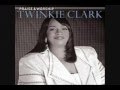
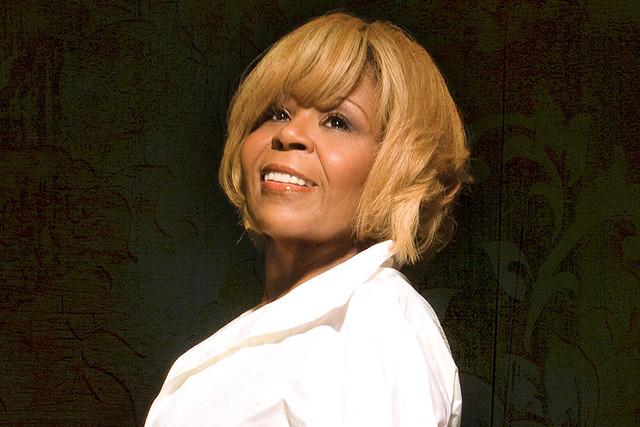
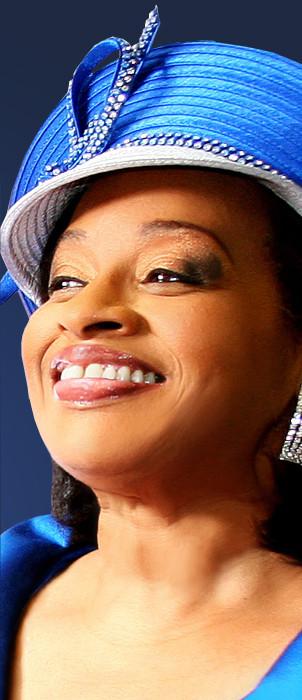
Twinkie Clark’s Spotify BioGospel singer, songwriter, producer, arranger, organist, and pianist Elbernita "Twinkie" Clark, although she may not be a household name, was nothing less than the Godmother of Contemporary Gospel, and the sharp, warm productions she did for her longtime sibling gospel group the Clark Sisters influenced the sonic feel and sound of modern R&B and soul as well. Clark was born November 15, 1954 in Detroit, Michigan, and her mother, Dr. Mattie Moss Clark, a gospel music innovator in her own right, introduced her to piano as an infant, and by the age of four, Clark was playing full songs on the instrument. By the time she was nine, Clark had switched to the organ, and by 12, she had made her recording debut as an organist on the Southwest Michigan State Choir's album A Closer Walk with Thee. She was to remain her mother's organist until Dr. Clark's death in 1994.
Clark wrote and produced a couple of albums for her mother, but her best-known compositions and productions were for her sibling… gospel group the Clark Sisters, the legendary sibling gospel ensemble that also included sisters Karen, Dorinda, and Jacky Clark. With her formal music training (she studied classical music at Howard University in Washington, D.C.) and her love for jazz, reggae, and R&B (and later even hip-hop, disco, and ragtime), Clark's arrangements and productions were an innovative blend that literally kicked gospel into the modern era. She had begun writing songs in her teens in the 1970s, and based on her exciting, vocal-based organ runs and trills, they had depth and substance, and in many ways she functioned in the Clark Sisters the way Brian Wilson did with the Beach Boys, using the group to make large sonic statements.
The Clark Sisters were able to cross over to the secular charts and fill dancefloors everywhere with 1981's "You Brought the Sunshine," and gospel had never really sounded like this before. Some of it had to do with Clark's organ playing, which was singular and always striking, earning her the title of Queen of the Hammond B-3 in gospel circles and beyond. She left the Clark Sisters officially in 1989 to devote more time to her own ministry, although she continued to add her production, songwriting, and organ expertise to various projects, and continued to surface from time to time with solo albums, including Praise Belongs to God (1979), Ye Shall Receive Power (1981), Comin' Home (1982), Masterpiece (1996), Live in Charlotte (2002), and Home Once Again: Live in Detroit (2004). A national treasure if there ever were one, Clark continued to be a presence a decade and change into the 21st century, releasing With Humility in 2011 and Live & Unplugged in 2013. ~ Steve Leggett, Rovi
Viberate is a music analytics platform built for A&Rs, artist managers, labels, booking agents, marketers, and artists.
It helps music professionals track artist growth, analyze audience data, monitor playlist activity, compare artists, follow song performance, and identify opportunities across the music market.
Public artist pages provide a free preview of selected artist data. Paid plans provide access to deeper analytics, historical data, charts, comparisons, playlist tools, exports, alerts, reports, and additional professional features.
Yes. Public Viberate artist pages provide selected artist analytics and music data for free.
Viberate also offers a 7-day free trial of the full platform. A credit card is required to start the trial. The trial includes access to the complete product so users can test deeper artist analytics, historical views, playlist insights, comparisons, charts, exports, alerts, and reporting features before choosing a paid plan.
Viberate provides artist analytics across streaming, playlists, social media, video, radio airplay, songs, and audience markets.
Users can analyze Spotify performance, Spotify and Apple Music playlists, YouTube activity, TikTok and Instagram growth, radio spins, song performance, audience locations, demographics, rankings, and overall artist momentum.
Artist profiles also connect to music charts, similar artists, and comparison tools, helping users benchmark performance and evaluate artists in context.
Viberate updates key artist and track data daily.
For followed artists and tracks, selected data is refreshed multiple times per day. This helps teams monitor playlist changes, streaming movement, audience growth, releases, and campaign performance with more current data.
Update frequency can vary depending on the metric and data source.
Yes. Viberate lets users compare up to five artists side by side across streaming, social media, audience, and engagement metrics.
Users can compare fanbase growth, audience demographics, locations, Spotify performance, social metrics, and other artist data over selected time periods.
Artist comparison can be used for A&R scouting, benchmarking, booking decisions, campaign planning, and evaluating artists with similar audiences or market positions.