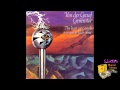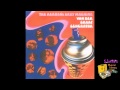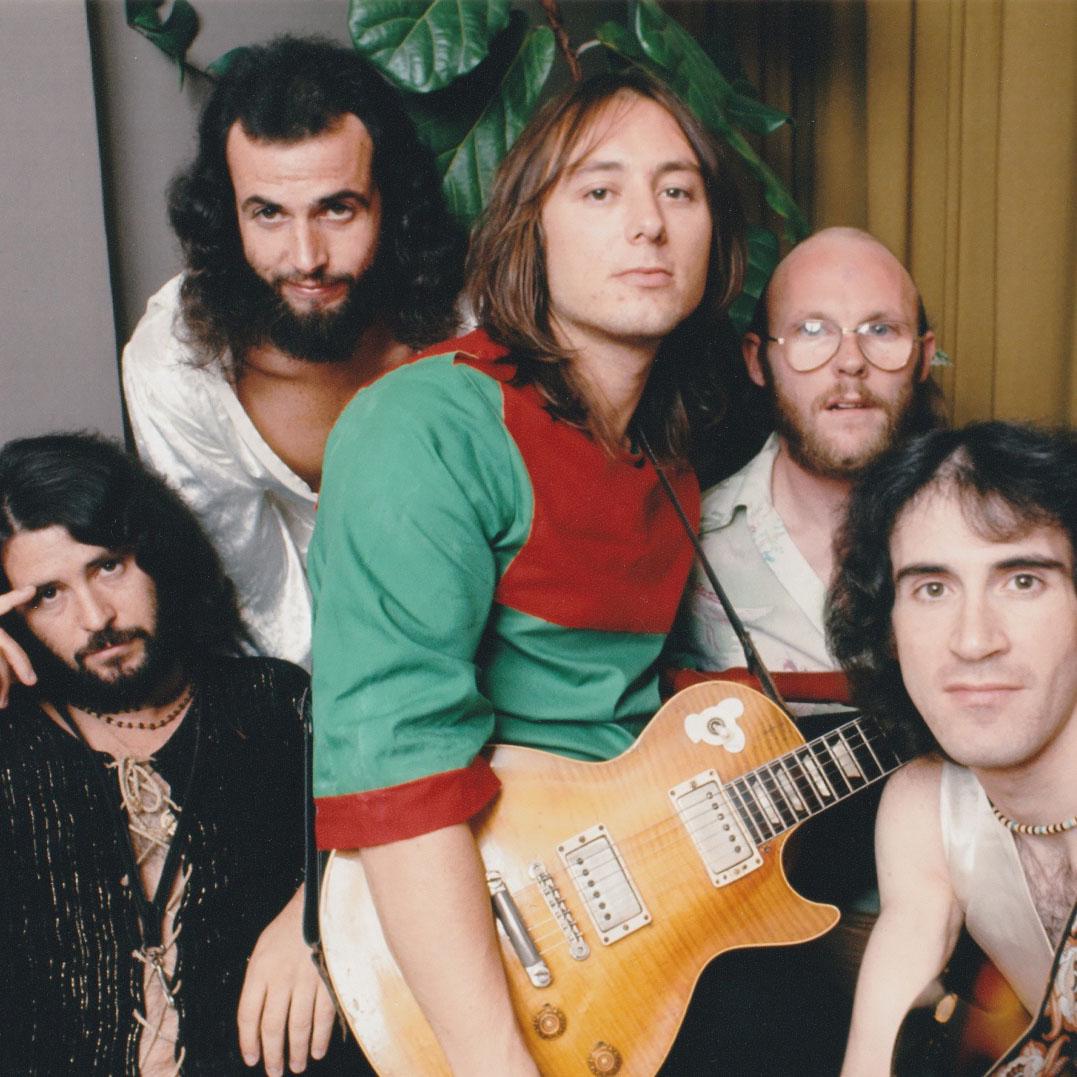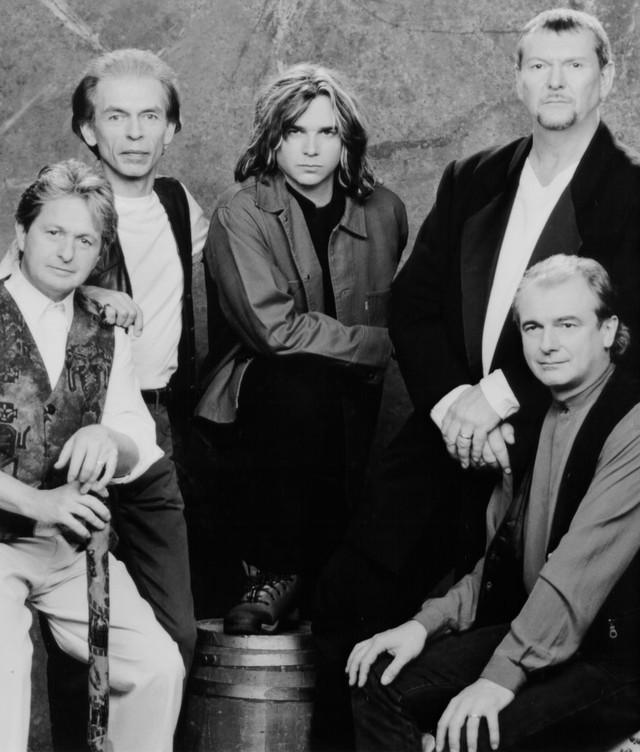
Van Der Graaf Generator

Rock
Progressive Rock
Psychedelic Rock
Avant-garde Jazz
 Viberate Rank: 57321
 Viberate Rank: 57321
 Monthly ListenersFollowers
 Subscribers
 Followers
 Followers
 FansTop Spotify Songs
| Track | 7-Day Streams | |
|---|---|---|
1 | 7.06K | |
2 | 6.35K | |
3 | 6.35K | |
4 | 6.35K | |
5 | 4.67K |
Top YouTube VideosMonthly ListenersFeatured in Playlists| Playlist | Followers | |
|---|---|---|
1 |  Prog Rock Monsters Spotify | 391.03K |
2 | Best of Progressive Rock Niels N. | 51.41K |
3 |  PROGRESSIVE ROCK: 100 best songs Juan Ceñal | 18.20K |
4 |  Progressive Rock Mix PlatinumGains | 14.45K |
5 |  Danny L Harle's HUGE PLAYLIST Danny L Harle | 13.97K |
Audience| City | Monthly Listeners | |
|---|---|---|
1 |  | 1.20K |
2 |  | 961 |
3 | | 849 |
4 |  | 776 |
5 |  | 672 |
See full performance history, audience data, playlist activity, rankings, comparisons, and more in Viberate music analytics. Start with a free trial, then continue with a paid plan.
Van Der Graaf Generator’s Spotify BioAn eye-opening trip to San Francisco's Haight-Ashbury during the summer of 1967 inspired British-born drummer Chris Judge Smith to compose a list of possible names for the rock group he wished to form. Upon his return to Manchester University, he began performing with singer/songwriter Peter Hammill and keyboardist Nick Peame; employing one of the names from Judge Smith's list, the band dubbed itself Van der Graaf Generator (after a machine that creates static electricity), eventually earning an intense cult following as one of the era's preeminent art rock groups.
Despite the early involvement of Judge Smith and Peame, the group found true success as a vehicle for Hammill, whose dark, existentialist lyrics made him the focus of considerable attention. After the release of the 1968 single "People You Were Going To," Judge Smith left Van der Graaf Generator, which by then consisted of Hammill, keyboardist Hugh Banton, bassist Keith Ellis, and drummer Guy Evans. The group soon split, and… in 1968 Hammill entered the studio, ostensibly to record a solo album; however, he ultimately called in his ex-bandmates for assistance, and when The Aerosol Grey Machine appeared, it did so under the Van der Graaf Generator name.
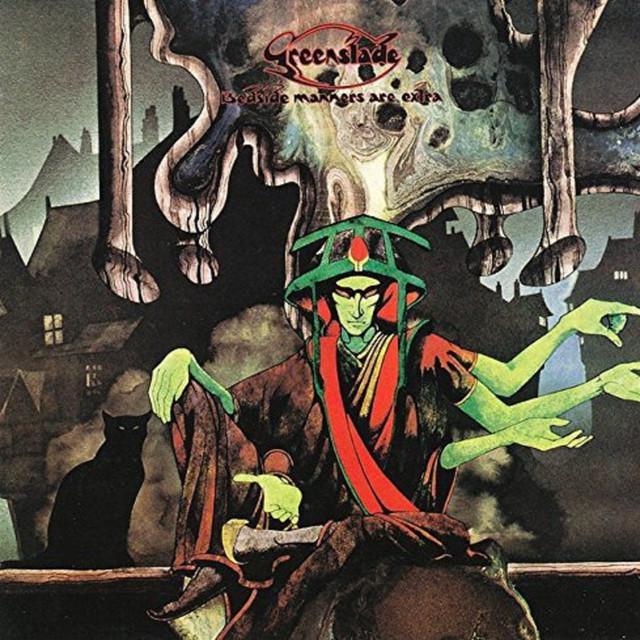
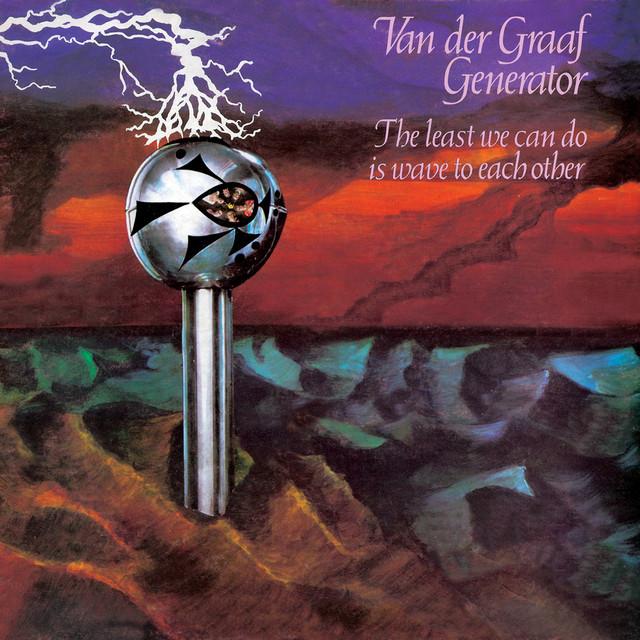
Although Ellis was replaced by Nic Potter and woodwind player David Jackson, the reconstituted group continued on for 1969's Least We Can Do Is Wave to Each Other. After 1970's H to He, Who Am the Only One, Potter departed; the Generator recorded one more LP, 1971's Pawn Hearts, before Hammill left for a solo career, putting an end to the group. After five solo efforts, however, Hammill again re-formed Van der Graaf Generator in 1975 for Godbluff. Following a pair of 1976 albums, Still Life and World Record, Banton and Jackson exited; as simply Van der Graaf, the band recorded The Quiet Zone with new violinist Graham Smith. After a 1978 live set, Vital, the group officially disbanded, although most members made appearances on Hammill's subsequent solo records.
Twice during the '90s, Van der Graaf reunited for one-off gigs, and in 2005 released a reunion album, Present. Without Jackson, the trio of Hammill, Banton, and Evans recorded Trisector, which appeared in 2008. They appeared in concert frequently in 2009, and released another studio album, A Grounding in Numbers, in 2011. An album of studio jams and outtakes titled ALT followed a year later. The trio returned in 2016 with their 13th studio effort, Do Not Disturb. ~ Jason Ankeny, Rovi
Viberate is a music analytics platform built for A&Rs, artist managers, labels, booking agents, marketers, and artists.
It helps music professionals track artist growth, analyze audience data, monitor playlist activity, compare artists, follow song performance, and identify opportunities across the music market.
Public artist pages provide a free preview of selected artist data. Paid plans provide access to deeper analytics, historical data, charts, comparisons, playlist tools, exports, alerts, reports, and additional professional features.
Yes. Public Viberate artist pages provide selected artist analytics and music data for free.
Viberate also offers a 7-day free trial of the full platform. A credit card is required to start the trial. The trial includes access to the complete product so users can test deeper artist analytics, historical views, playlist insights, comparisons, charts, exports, alerts, and reporting features before choosing a paid plan.
Viberate provides artist analytics across streaming, playlists, social media, video, radio airplay, songs, and audience markets.
Users can analyze Spotify performance, Spotify and Apple Music playlists, YouTube activity, TikTok and Instagram growth, radio spins, song performance, audience locations, demographics, rankings, and overall artist momentum.
Artist profiles also connect to music charts, similar artists, and comparison tools, helping users benchmark performance and evaluate artists in context.
Viberate updates key artist and track data daily.
For followed artists and tracks, selected data is refreshed multiple times per day. This helps teams monitor playlist changes, streaming movement, audience growth, releases, and campaign performance with more current data.
Update frequency can vary depending on the metric and data source.
Yes. Viberate lets users compare up to five artists side by side across streaming, social media, audience, and engagement metrics.
Users can compare fanbase growth, audience demographics, locations, Spotify performance, social metrics, and other artist data over selected time periods.
Artist comparison can be used for A&R scouting, benchmarking, booking decisions, campaign planning, and evaluating artists with similar audiences or market positions.