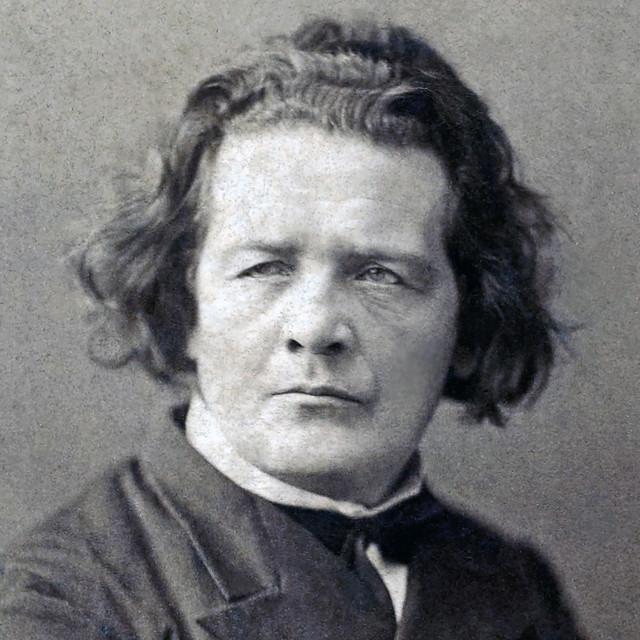
Valerie Tryon

Classical
Chamber Music
 Viberate Rank: 402180
 Viberate Rank: 402180
 Monthly ListenersFollowers
 Subscribers
 Followers
 Followers
 FansTop Spotify Songs
| Track | 7-Day Streams | |
|---|---|---|
1 | 3.20K | |
2 | 3.20K | |
3 | 1.25K | |
4 | 939 | |
5 | 535 |
Top YouTube VideosMonthly ListenersFeatured in Playlists| Playlist | Followers | |
|---|---|---|
1 |  This Is Liszt Spotify | 138.93K |
2 | The Best Cello Music Scott A Weaver | 25.47K |
3 |  Cello Dark Cello ALUGOSI | 22.45K |
4 |  instrumentals sleepy time 🧸🌙 anna_trejo | 19.17K |
5 |  NPR Classical NPR Music | 14.44K |
Audience| City | Monthly Listeners | |
|---|---|---|
1 |  | 177 |
2 |  | 149 |
3 | | 132 |
4 | | 126 |
5 | | 115 |
See full performance history, audience data, playlist activity, rankings, comparisons, and more in Viberate music analytics. Start with a free trial, then continue with a paid plan.
Valerie Tryon’s Spotify BioBritish pianist Valerie Tryon was born in Portsmouth, England, and she began studying music in childhood. She went on tour with the Northern Youth Orchestra of Great Britain at age nine, and by 12 she had performed for BBC broadcasts. She entered the Royal Academy of Music in 1950, and studied piano with Eric Grant. Tryon continued her studies with Jacques Février in Paris from 1955 to 1956. She won a prize at the 1956 Liszt Competition in Budapest, and her 1959 recital at the Cheltenham Festival brought her critical praise. Tryon has performed as a recitalist in Great Britain, Europe, the United States, Canada, and South Africa, and she has appeared with the London Symphony Orchestra, the London Philharmonic Orchestra, the Royal Philharmonic Orchestra, the Hallé Orchestra, the Toronto Symphony Orchestra, and other orchestras. In 1971 she moved to Canada, and in 1976 she was hired as an associate professor of music at McMaster University in Hamilton, Ontario, becoming… artist-in-residence in 1980 and a naturalized citizen in 1986. She has recorded for many labels, including Naxos, Somm, CBC Records, and Marquis Classics.
Viberate is a music analytics platform built for A&Rs, artist managers, labels, booking agents, marketers, and artists.
It helps music professionals track artist growth, analyze audience data, monitor playlist activity, compare artists, follow song performance, and identify opportunities across the music market.
Public artist pages provide a free preview of selected artist data. Paid plans provide access to deeper analytics, historical data, charts, comparisons, playlist tools, exports, alerts, reports, and additional professional features.
Yes. Public Viberate artist pages provide selected artist analytics and music data for free.
Viberate also offers a 7-day free trial of the full platform. A credit card is required to start the trial. The trial includes access to the complete product so users can test deeper artist analytics, historical views, playlist insights, comparisons, charts, exports, alerts, and reporting features before choosing a paid plan.
Viberate provides artist analytics across streaming, playlists, social media, video, radio airplay, songs, and audience markets.
Users can analyze Spotify performance, Spotify and Apple Music playlists, YouTube activity, TikTok and Instagram growth, radio spins, song performance, audience locations, demographics, rankings, and overall artist momentum.
Artist profiles also connect to music charts, similar artists, and comparison tools, helping users benchmark performance and evaluate artists in context.
Viberate updates key artist and track data daily.
For followed artists and tracks, selected data is refreshed multiple times per day. This helps teams monitor playlist changes, streaming movement, audience growth, releases, and campaign performance with more current data.
Update frequency can vary depending on the metric and data source.
Yes. Viberate lets users compare up to five artists side by side across streaming, social media, audience, and engagement metrics.
Users can compare fanbase growth, audience demographics, locations, Spotify performance, social metrics, and other artist data over selected time periods.
Artist comparison can be used for A&R scouting, benchmarking, booking decisions, campaign planning, and evaluating artists with similar audiences or market positions.