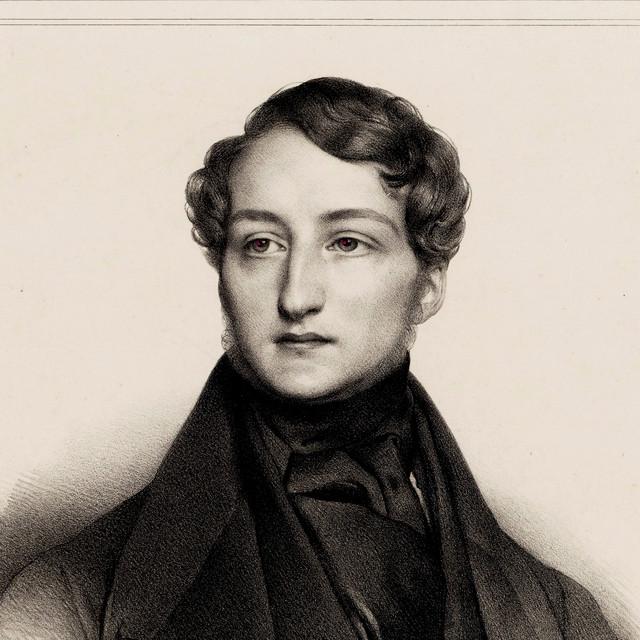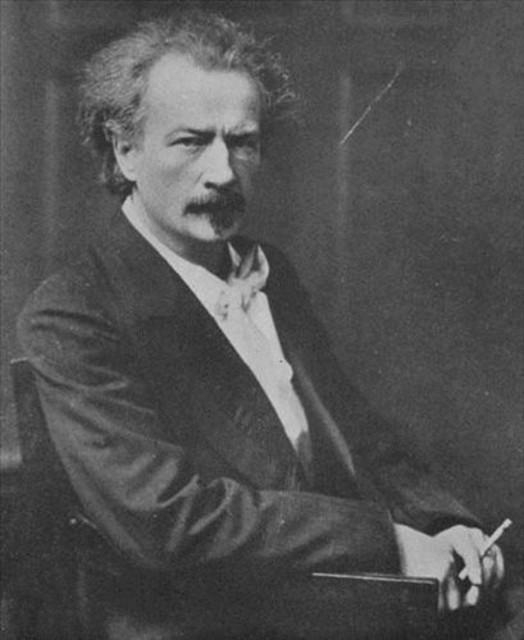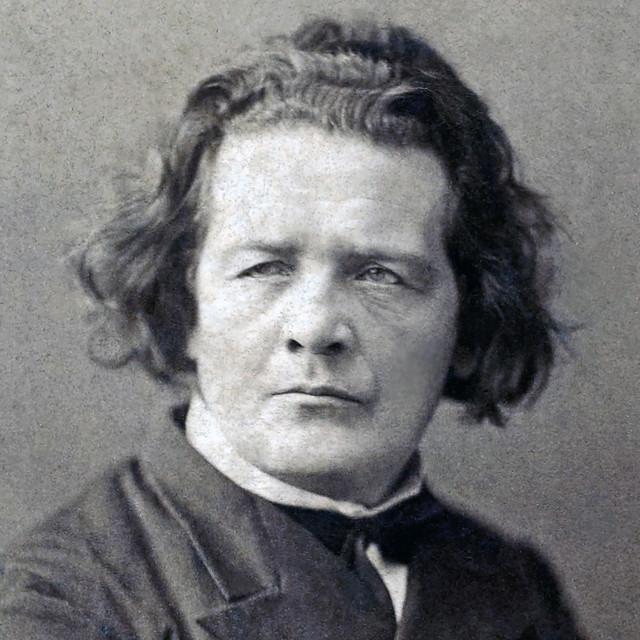
Anton Rubinstein

Classical
Orchestral
 Viberate Rank: 186545
 Viberate Rank: 186545
 Monthly ListenersFollowers
 Subscribers
 Followers
 Followers
 FansTop Spotify SongsTop YouTube VideosMonthly ListenersFeatured in Playlists
| Playlist | Followers | |
|---|---|---|
1 |  Classical Music for Reading Filtr Legacy Sweden | 144.36K |
2 |  Música para Leer 📚 Filtr Éxitos | 118.19K |
3 |  Piano & Classical Jacob | 60.57K |
4 |  Klassik zum Entspannen Filtr Germany | 42.04K |
5 |  The Blacklist soundtrack Claudio Nazzaro | 23.06K |
Audience| City | Monthly Listeners | |
|---|---|---|
1 |  | 588 |
2 |  | 430 |
3 |  | 297 |
4 |  | 270 |
5 |  | 240 |
See full performance history, audience data, playlist activity, rankings, comparisons, and more in Viberate music analytics. Start with a free trial, then continue with a paid plan.
Anton Rubinstein’s Spotify BioAnton Rubinstein was more controversial in his day as a composer and educator than he was as a pianist and conductor. Consensus in the nineteenth century ranked him with Liszt and von Bülow in the keyboard realm, and even if his works stirred debate, they were more widely performed than in the twentieth century, when his reputation as a composer went into decline. Rubinstein wrote in most genres, turning out hundreds of solo piano pieces, as well as several concertos for piano, violin and cello, various chamber compositions, operas, ballets, and choral and vocal works. His output in many ways parallels that of Tchaikovsky, and recent reexamination of Rubinstein's compositions augurs well for rehabilitation of many of them and a favorable reassessment of his standing. Among his more important works are his operas The Demon and Nero, his oratorios Paradise Lost and Tower of Babel, his "Ocean" Symphony and Piano Concerto No. 4.
When Rubinstein was five years old, the family moved from the… village of his birth to Moscow, and by that time he was taking piano lessons from his mother. About two years later, he began study with Alexander Villoing and by the age of ten had given his first concerts. In 1840, Villoing took the youth on a successful three-year concert tour throughout Europe and England.
In 1844, young Anton, along with his sister Luba and brother Nikolai, both of whom also showed great musical talent, traveled to Berlin for advanced studies. Anton took instruction in composition from Siegfried Dehn until 1846, when his father, who had remained in Russia, died suddenly. After spending two years in near-poverty teaching in Vienna, Anton returned to Russia to join his mother and siblings.
Around 1850, Rubinstein's talents drew the attention, then the patronage, of Duchess Elena Pavlovna, sister-in-law of the Tsar. He lived in comfortable quarters at one of her palaces until 1854 and often performed for her and her guests, including the Tsar. During his years there, he composed many works, including the first three piano concertos, nearly fifty songs, and five operas, among them Stenka Razin and Tom the Fool.
In 1854, Rubinstein went on a highly successful European concert tour. Five years later, he and the duchess founded the Russian Musical Society, and, in 1862, the St. Petersburg Conservatory. Rubinstein was its director for the first five years and regularly led concerts sponsored by the Russian Musical Society. His views on a Russian nationalist style in both composition and performance led to conflicts with Balakirev and the Mighty Handful composers.
Rubinstein remained busy in composition throughout these years, though he wrote no opera between 1862 and 1869. In the period 1867-1870, he made several successful concert tours of Europe and the United States. He composed what is probably his best-known opera, The Demon, in 1871, its premiere coming four years later. This so-called "fantastic opera" was a far cry from the 1869 sacred opera, with German texts, Der Thurm zu Babel, and other similar works, possibly written by Rubinstein as if to reinforce his Christian credentials -- the Rubinstein family had converted to Christianity from Judaism some years before.
Until 1887, Rubinstein maintained a fairly active concert schedule, both as pianist and conductor. He took up the directorship of the St. Petersburg Conservatory once again, that year. From 1891 to 1894 he lived in Dresden and briefly taught Josef Hofmann. He returned to Russia in January, 1894, gravely ill with heart disease. Later that year he died in Peterhof, a summer retreat where Rubinstein owned a dacha.
Viberate is a music analytics platform built for A&Rs, artist managers, labels, booking agents, marketers, and artists.
It helps music professionals track artist growth, analyze audience data, monitor playlist activity, compare artists, follow song performance, and identify opportunities across the music market.
Public artist pages provide a free preview of selected artist data. Paid plans provide access to deeper analytics, historical data, charts, comparisons, playlist tools, exports, alerts, reports, and additional professional features.
Yes. Public Viberate artist pages provide selected artist analytics and music data for free.
Viberate also offers a 7-day free trial of the full platform. A credit card is required to start the trial. The trial includes access to the complete product so users can test deeper artist analytics, historical views, playlist insights, comparisons, charts, exports, alerts, and reporting features before choosing a paid plan.
Viberate provides artist analytics across streaming, playlists, social media, video, radio airplay, songs, and audience markets.
Users can analyze Spotify performance, Spotify and Apple Music playlists, YouTube activity, TikTok and Instagram growth, radio spins, song performance, audience locations, demographics, rankings, and overall artist momentum.
Artist profiles also connect to music charts, similar artists, and comparison tools, helping users benchmark performance and evaluate artists in context.
Viberate updates key artist and track data daily.
For followed artists and tracks, selected data is refreshed multiple times per day. This helps teams monitor playlist changes, streaming movement, audience growth, releases, and campaign performance with more current data.
Update frequency can vary depending on the metric and data source.
Yes. Viberate lets users compare up to five artists side by side across streaming, social media, audience, and engagement metrics.
Users can compare fanbase growth, audience demographics, locations, Spotify performance, social metrics, and other artist data over selected time periods.
Artist comparison can be used for A&R scouting, benchmarking, booking decisions, campaign planning, and evaluating artists with similar audiences or market positions.