Vader

Metal
Death Metal
Thrash Metal
 Viberate Rank: 34872
 Viberate Rank: 34872
 Monthly ListenersFollowers
 Subscribers
 Followers
 Followers
 FansTop Spotify Songs
| Track | 7-Day Streams | |
|---|---|---|
1 | 21.10K | |
2 | 6.71K | |
3 | 5.61K | |
4 | 4.23K | |
5 | 3.33K |
Top YouTube VideosMonthly ListenersFeatured in Playlists| Playlist | Followers | |
|---|---|---|
1 |  Death Metal Classics @MansenSankari | 127.47K |
2 | Best of Trash Metal Lomprdik | 86.64K |
3 |  Greatest Metal Songs of All Time Jake Smith | 37.28K |
4 |  DEATH METAL TOP 100 True Metal Playlists | 36.92K |
5 |  FENRIZ METAL Gylve | 32.35K |
Audience| City | Monthly Listeners | |
|---|---|---|
1 | | 2.89K |
2 |  | 2.13K |
3 |  | 2.13K |
4 |  | 1.45K |
5 |  | 1.34K |
See full performance history, audience data, playlist activity, rankings, comparisons, and more in Viberate music analytics. Start with a free trial, then continue with a paid plan.
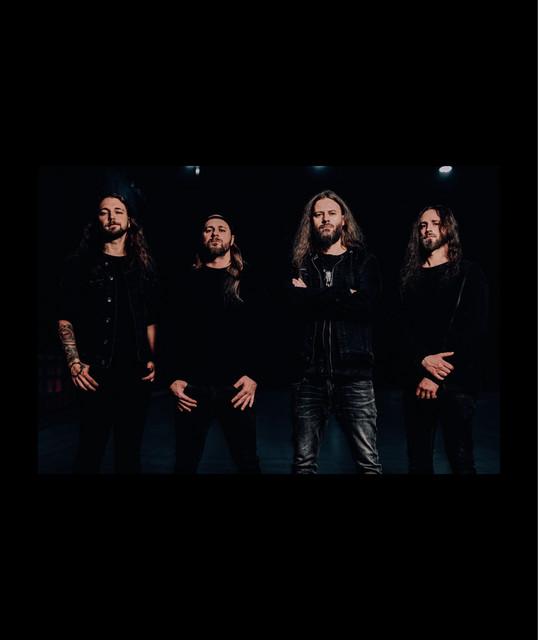
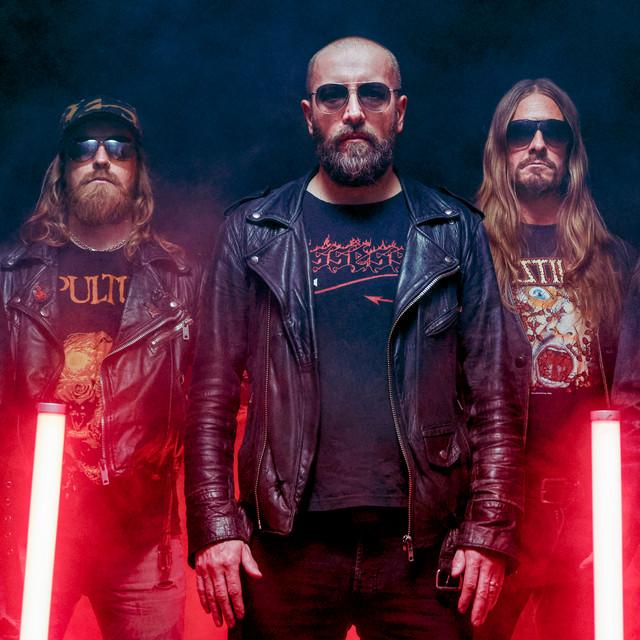
Vader’s Spotify BioFrom breaking barriers as the first death metal band behind the Iron Curtain to secure an international record deal in the early ’90s to sharing the stage with Slayer and Metallica in front of tens of thousands of fans years later, Vader have cemented their status as true road warriors over the past 40 years. With 12 albums under their belt, they continue to deliver high-quality music, staying relevant to both longtime devotees and new generations.
Formed in Olsztyn in 1983 and named after Star Wars' infamous dark lord, Vader went through numerous lineup changes with founding vocalist/guitarist Piotr "Peter" Wiwczarek remaining its driving force since day one. Originally rooted in heavy/speed metal, influences from Slayer, Kreator or Dark Angel made Vader grow into something far more brutal. After years of shows in Eastern Europe and various demos - like the legendary "Morbid Reich" - they signed with Earache Records releasing "The Ultimate Incantation" (1992) as the band’s… international debut.
After their departure from Earache, Vader's sound evolved dramatically, resulting in classic albums such as "De Profundis", "Black to the Blind", and "Litany". In 2009, Vader joined Nuclear Blast where they’ve released five albums to date.
Now, in 2025, Vader proves to be as ferocious and unyielding as ever on its new EP, "Humanihility", which will be presented live on the "March of the Unbending" tour and the upcoming "Summer Rampage" festival run.
Viberate is a music analytics platform built for A&Rs, artist managers, labels, booking agents, marketers, and artists.
It helps music professionals track artist growth, analyze audience data, monitor playlist activity, compare artists, follow song performance, and identify opportunities across the music market.
Public artist pages provide a free preview of selected artist data. Paid plans provide access to deeper analytics, historical data, charts, comparisons, playlist tools, exports, alerts, reports, and additional professional features.
Yes. Public Viberate artist pages provide selected artist analytics and music data for free.
Viberate also offers a 7-day free trial of the full platform. A credit card is required to start the trial. The trial includes access to the complete product so users can test deeper artist analytics, historical views, playlist insights, comparisons, charts, exports, alerts, and reporting features before choosing a paid plan.
Viberate provides artist analytics across streaming, playlists, social media, video, radio airplay, songs, and audience markets.
Users can analyze Spotify performance, Spotify and Apple Music playlists, YouTube activity, TikTok and Instagram growth, radio spins, song performance, audience locations, demographics, rankings, and overall artist momentum.
Artist profiles also connect to music charts, similar artists, and comparison tools, helping users benchmark performance and evaluate artists in context.
Viberate updates key artist and track data daily.
For followed artists and tracks, selected data is refreshed multiple times per day. This helps teams monitor playlist changes, streaming movement, audience growth, releases, and campaign performance with more current data.
Update frequency can vary depending on the metric and data source.
Yes. Viberate lets users compare up to five artists side by side across streaming, social media, audience, and engagement metrics.
Users can compare fanbase growth, audience demographics, locations, Spotify performance, social metrics, and other artist data over selected time periods.
Artist comparison can be used for A&R scouting, benchmarking, booking decisions, campaign planning, and evaluating artists with similar audiences or market positions.