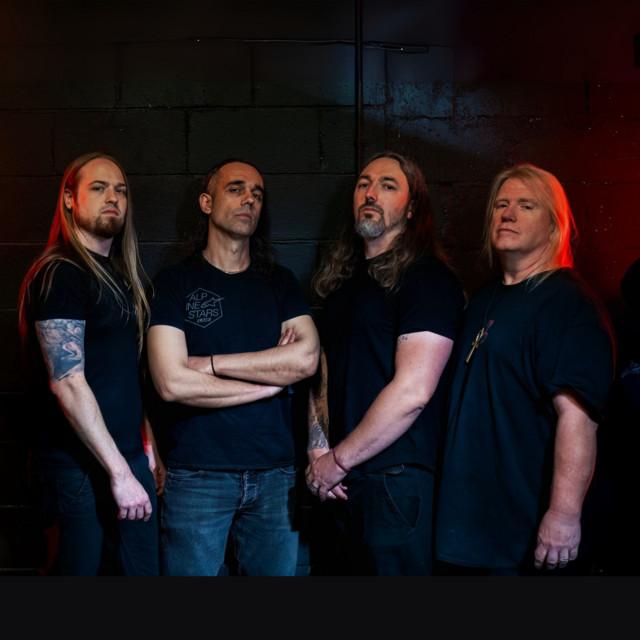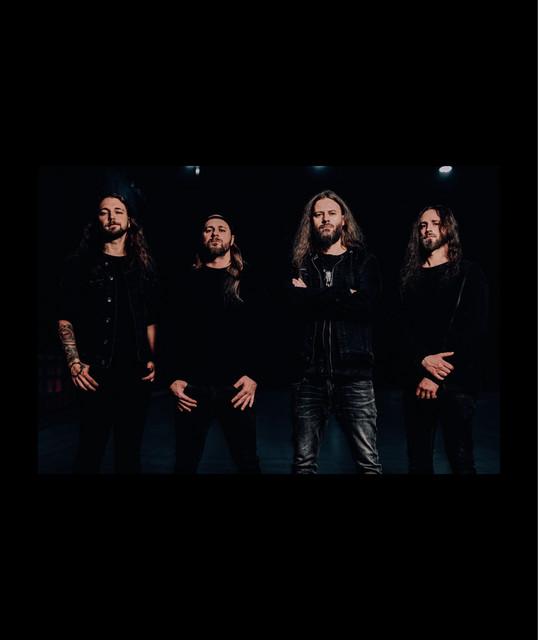
Decapitated


Metal
Death Metal
 Viberate Rank: 31286
 Viberate Rank: 31286
 Monthly ListenersFollowers
 Subscribers
 Followers
 Followers
 FansTop Spotify Songs
| Track | 7-Day Streams | |
|---|---|---|
1 | 32.67K | |
2 | 31.81K | |
3 | 30.54K | |
4 | 27.09K | |
5 | 15.75K |
Top YouTube Videos| Video | 7-Day Views | |
|---|---|---|
1 | 11.48K | |
2 | 6.66K | |
3 | 5.72K | |
4 | 3.85K | |
5 | 3.16K |
Monthly ListenersFeatured in Playlists| Playlist | Followers | |
|---|---|---|
1 |  Brutal Death Metal firatkaya90 | 170.35K |
2 |  Death Metal Classics @MansenSankari | 127.47K |
3 |  Metal Gym Hours Bengan Bengtsson | 119.72K |
4 | Death Metal Dylan Bellusci | 67.91K |
5 |  This Is Machine Head Spotify | 64.65K |
Audience| City | Monthly Listeners | |
|---|---|---|
1 |  | 3.42K |
2 |  | 2.75K |
3 |  | 2.58K |
4 |  | 2.44K |
5 | | 2.43K |
See full performance history, audience data, playlist activity, rankings, comparisons, and more in Viberate music analytics. Start with a free trial, then continue with a paid plan.
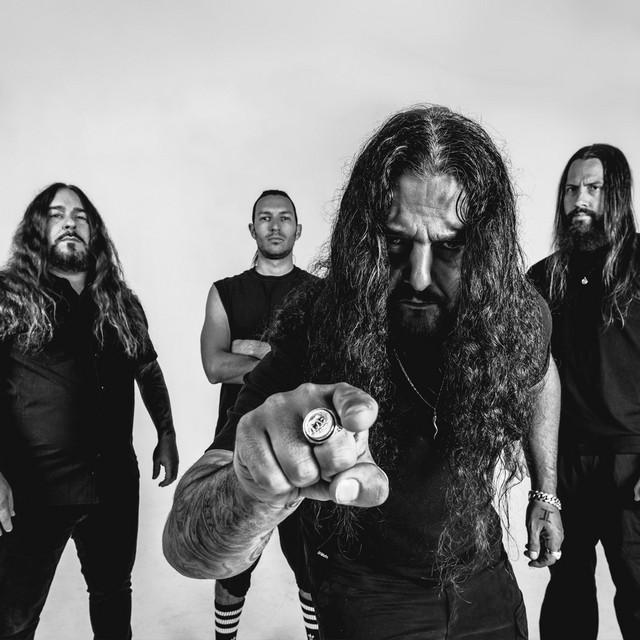
Decapitated’s Spotify BioFormed in 1996, Polish Technical Death Metal masters Decapitated have built a reputation over the years as one of the international leaders of their genre. Over the course of their 25 year career the group has done international tours with the likes of Lamb Of God, Meshuggah, and Soulfly. Longtime fans and newcomers alike will connect to the variety of atmospheric depth, boundless energy and creative tracks on their upcoming album "Cancer Culture".
Their last album “Anticult” (2017) showed the band's creativity and ability to evolve their sound over time by cross-breeding various styles and sounds, setting the bar higher than ever before. The album flirts with various tempos, mixing Death Metal with Grindcore, Black Metal atmosphere with more groove laden beats and Stoner-Rock vibes. Upon the release of "Anticult", Metal Hammer declared Decapitated “a serious successor to the likes of Pantera and Lamb Of God – a band who can draw new legions into the metal world as its new champions.”
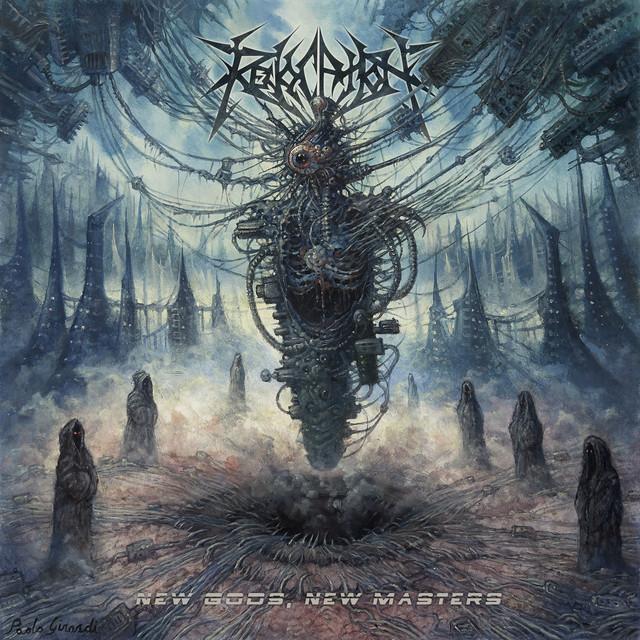
Th…eir eighth studio album "Cancer Culture", will deliver on that promise.
"Cancer Culture" raises thought provoking ideas related to our society and the disproportion between the dreams, ambitions, and aspirations of humanity and the actual human capabilities.
"Cancer Culture" sounds brilliant and modern with the album’s mix coming from David Castillo (Sepultura, Carcass, Opeth, Katatonia) and legendary American producer Ted Jensen (Metallica, Slipknot, Pantera, Machine Head, Korn).
Viberate is a music analytics platform built for A&Rs, artist managers, labels, booking agents, marketers, and artists.
It helps music professionals track artist growth, analyze audience data, monitor playlist activity, compare artists, follow song performance, and identify opportunities across the music market.
Public artist pages provide a free preview of selected artist data. Paid plans provide access to deeper analytics, historical data, charts, comparisons, playlist tools, exports, alerts, reports, and additional professional features.
Yes. Public Viberate artist pages provide selected artist analytics and music data for free.
Viberate also offers a 7-day free trial of the full platform. A credit card is required to start the trial. The trial includes access to the complete product so users can test deeper artist analytics, historical views, playlist insights, comparisons, charts, exports, alerts, and reporting features before choosing a paid plan.
Viberate provides artist analytics across streaming, playlists, social media, video, radio airplay, songs, and audience markets.
Users can analyze Spotify performance, Spotify and Apple Music playlists, YouTube activity, TikTok and Instagram growth, radio spins, song performance, audience locations, demographics, rankings, and overall artist momentum.
Artist profiles also connect to music charts, similar artists, and comparison tools, helping users benchmark performance and evaluate artists in context.
Viberate updates key artist and track data daily.
For followed artists and tracks, selected data is refreshed multiple times per day. This helps teams monitor playlist changes, streaming movement, audience growth, releases, and campaign performance with more current data.
Update frequency can vary depending on the metric and data source.
Yes. Viberate lets users compare up to five artists side by side across streaming, social media, audience, and engagement metrics.
Users can compare fanbase growth, audience demographics, locations, Spotify performance, social metrics, and other artist data over selected time periods.
Artist comparison can be used for A&R scouting, benchmarking, booking decisions, campaign planning, and evaluating artists with similar audiences or market positions.