Univers Zero

Rock
Progressive Rock
 Viberate Rank: 240081
 Viberate Rank: 240081
 Monthly ListenersFollowers
 Subscribers
 Followers
 Followers
 FansTop Spotify Songs
| Track | 7-Day Streams | |
|---|---|---|
1 | 197 | |
2 | 158 | |
3 | 102 | |
4 | 91 | |
5 | 84 |
Top YouTube VideosMonthly ListenersFeatured in Playlists| Playlist | Followers | |
|---|---|---|
1 |  The Sound of Everything The Sounds of Spotify | 53.81K |
2 |  Folk Horror Revival - Harvest Hymns. The Twisted Roots & Sweet Fruits of Folk Horror Music Jim Peters | 3.83K |
3 |  The Sound of Canterbury Scene The Sounds of Spotify | 3.46K |
4 |  Nurse With Wound list christophermacauley | 2.83K |
5 |  Best of Prog: Top 250 Prog Rock Songs | 2.03K |
Audience| City | Monthly Listeners | |
|---|---|---|
1 |  | 47 |
2 |  | 45 |
3 |  | 19 |
4 |  | 15 |
5 |  | 14 |
See full performance history, audience data, playlist activity, rankings, comparisons, and more in Viberate music analytics. Start with a free trial, then continue with a paid plan.
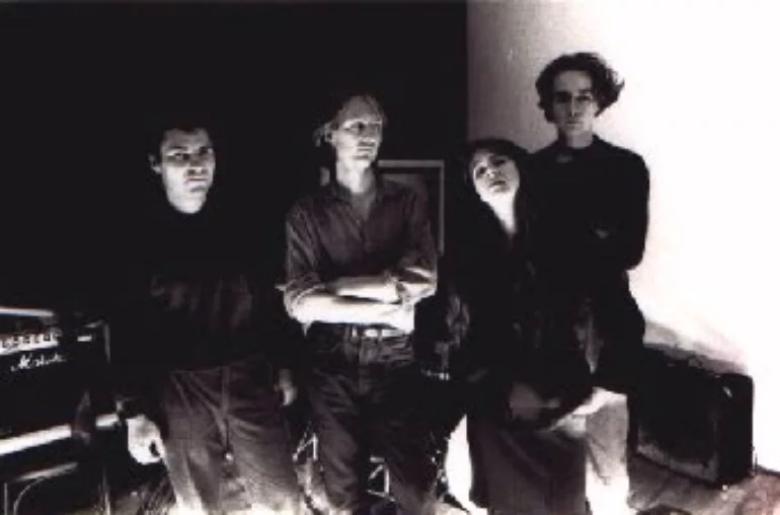
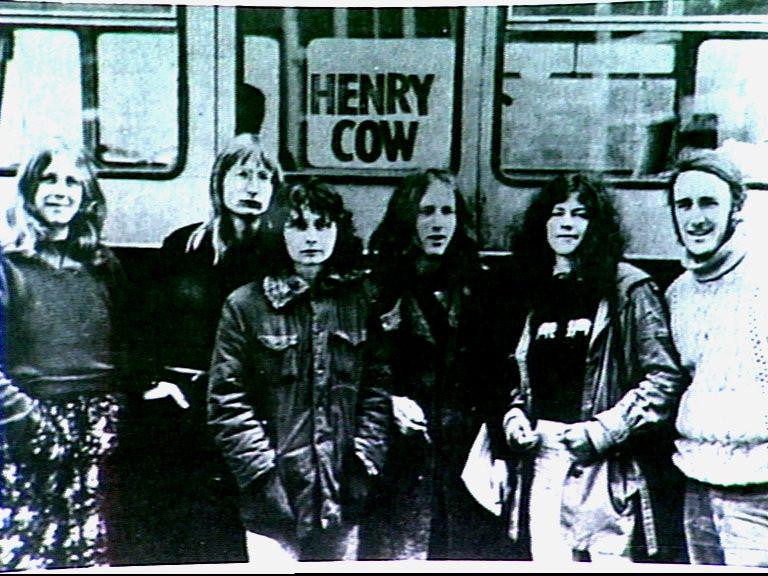
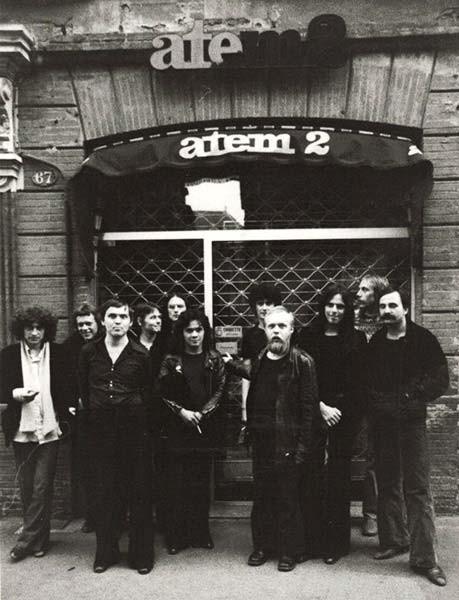
Univers Zero’s Spotify BioFormed in 1974, Belgium-based chamber rock band Univers Zero initially featured co-composers drummer Daniel Denis and guitarist Roger Trigaux joined by bassoonist Michel Berckmans, violinist Marcel Dufrane, bassist Christian Genet, violinist/violist Patrick Hanappier, and harmonium/spinet player Emmanuel Nicaise. The avant-prog group, one of the first Rock in Opposition bands along with Britain's Henry Cow, Sweden's Samla Mammas Manna, Italy's Stormy Six, and France's Etron Fou Leloublan, released its first album, 1313, in 1977. Univers Zero immediately began their history of personnel changes with the 1979 follow-up LP Heresie, a relentlessly dark effort recorded by the quintet formation of Denis, Trigaux, Berckmans, Hanappier, and bassist Guy Segers, who would (at least momentarily) replace Genet.
In 1980, Trigaux left to begin a new musical endeavor, Present. Undaunted, the group continued on, adding keyboardist/composer Andy Kirk and releasing the landmark Ceux du Dehors in 1981.… Two years later, Univers Zero issued the Crawling Wind EP (which Cuneiform reissued with bonus tracks in 2001), having added clarinetist Dirk Descheemaeker and violinist Alan Ward to the fold following the departures of Berckmans and Hanappier. The next year saw the release of Uzed, which signaled a transition toward more electronic instrumentation and even a somewhat fusion-oriented sound. Keyboardist Jean-Luc Plouvier had replaced Andy Kirk on Uzed, but two years later the Heatwave CD featured a two-keyboard lineup with both Plouvier and Kirk as well as the return of Hanappier on violin in place of Ward, who had departed after only playing on Crawling Wind. Bassist Christian Genet was also in the Heatwave lineup, having replaced Guy Segers prior to Uzed.
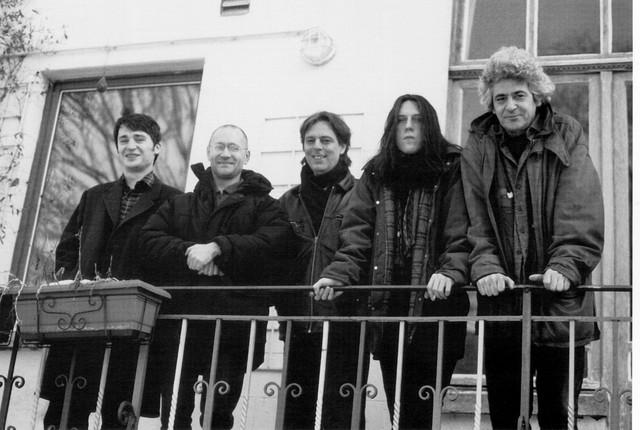
Univers Zero broke up in 1987 as Denis, by now the group's driving force, main composer, and undisputed leader, pursued a solo career, but the band re-formed late in the following decade, releasing The Hard Quest in 1999 and Rhythmix in 2002. With continuing support from Cuneiform, the group released Implosion in 2004 and arguably one of its strongest efforts in decades, Live, in early 2006, followed by another career peak, Clivages, in 2010. The latter-day version of UZ continued the band's previous habit of featuring changing lineups surrounding the constant presence of Denis, along with returned bassoonist Michel Berckmans. Notable other players throughout this period included keyboardists Pierre Chevalier and Peter Vandenberghe, saxophonist/clarinetist Kurt Budé, bassists Eric Plantain and Dimitri Evers, and violinist Martin Lauwers.
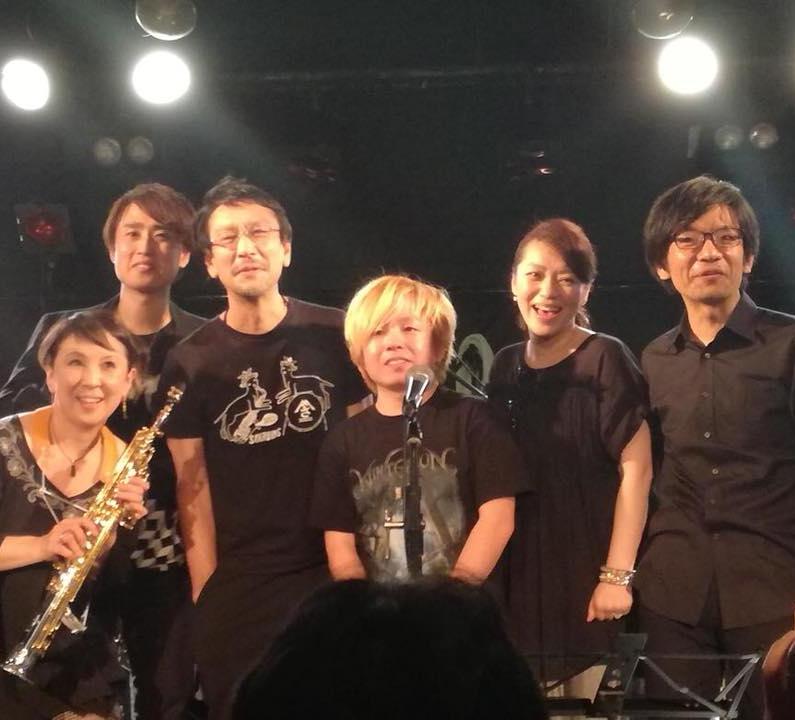
However, despite the group's successes on record and in live performance, in 2013 Denis decided that a comparably significant change to the lineup was necessary. Declaring that Univers Zero's "old form was stagnant," he formed a new quintet version of the band; bassist Evers and saxophonist/clarinetist Budé from UZ's immediately preceding incarnation would remain, but keyboardist Chevalier, violinist Lauwers, and -- most notably -- original bandmember bassoonist Berckmans would depart. In July 2013 the lineup of Denis, Budé, Evers, keyboardist Antoine Guenet (the Wrong Object, SH.TG.N), and guitarist Nicolas Dechêne (Turlu Tursu), plus selected guests, entered Studio Dingo in Soignies, Belgium to record the 13th Univers Zero album, Phosphorescent Dreams. Featuring composing credits split between Denis and Budé, the album was released by the Japanese Arcangelo label in February 2014, 40 years after the group's initial founding. ~ Gary Hill & Dave Lynch, Rovi
Viberate is a music analytics platform built for A&Rs, artist managers, labels, booking agents, marketers, and artists.
It helps music professionals track artist growth, analyze audience data, monitor playlist activity, compare artists, follow song performance, and identify opportunities across the music market.
Public artist pages provide a free preview of selected artist data. Paid plans provide access to deeper analytics, historical data, charts, comparisons, playlist tools, exports, alerts, reports, and additional professional features.
Yes. Public Viberate artist pages provide selected artist analytics and music data for free.
Viberate also offers a 7-day free trial of the full platform. A credit card is required to start the trial. The trial includes access to the complete product so users can test deeper artist analytics, historical views, playlist insights, comparisons, charts, exports, alerts, and reporting features before choosing a paid plan.
Viberate provides artist analytics across streaming, playlists, social media, video, radio airplay, songs, and audience markets.
Users can analyze Spotify performance, Spotify and Apple Music playlists, YouTube activity, TikTok and Instagram growth, radio spins, song performance, audience locations, demographics, rankings, and overall artist momentum.
Artist profiles also connect to music charts, similar artists, and comparison tools, helping users benchmark performance and evaluate artists in context.
Viberate updates key artist and track data daily.
For followed artists and tracks, selected data is refreshed multiple times per day. This helps teams monitor playlist changes, streaming movement, audience growth, releases, and campaign performance with more current data.
Update frequency can vary depending on the metric and data source.
Yes. Viberate lets users compare up to five artists side by side across streaming, social media, audience, and engagement metrics.
Users can compare fanbase growth, audience demographics, locations, Spotify performance, social metrics, and other artist data over selected time periods.
Artist comparison can be used for A&R scouting, benchmarking, booking decisions, campaign planning, and evaluating artists with similar audiences or market positions.