Uncle Tupelo

Country
Americana/Alt Country
 Viberate Rank: 77544
 Viberate Rank: 77544
 Monthly ListenersFollowers
 Subscribers
 Followers
 Followers
 FansTop Spotify Songs
| Track | 7-Day Streams | |
|---|---|---|
1 | 27.20K | |
2 | 23.76K | |
3 | 11.49K | |
4 | 9.94K | |
5 | 5.37K |
Top YouTube Videos| Video | 7-Day Views | |
|---|---|---|
1 | 253 | |
2 | 214 | |
3 | 122 | |
4 | 81 | |
5 | 47 |
Monthly ListenersFeatured in Playlists| Playlist | Followers | |
|---|---|---|
1 |  Fidi & Bumsi Spotify | 353.24K |
2 |  Thrifted Spotify | 325.91K |
3 |  Americana Icons Spotify | 241.64K |
4 |  Spooky Banjo Time Pawns or Kings | 213.07K |
5 |  Alt Country Classics Spotify | 117.59K |
Audience| City | Monthly Listeners | |
|---|---|---|
1 | | 3.90K |
2 | | 2.90K |
3 | | 2.32K |
4 | | 2.27K |
5 | | 2.08K |
See full performance history, audience data, playlist activity, rankings, comparisons, and more in Viberate music analytics. Start with a free trial, then continue with a paid plan.
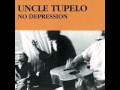
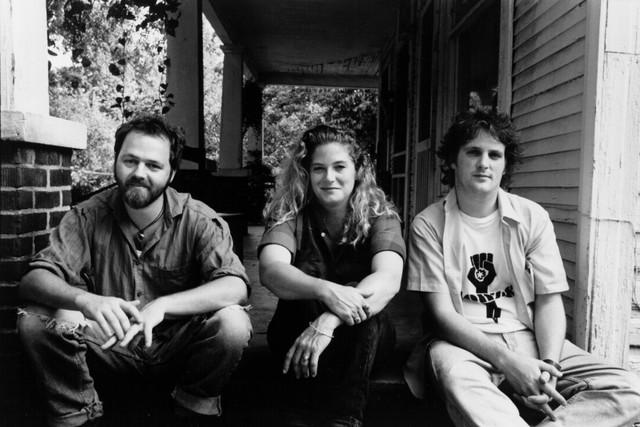
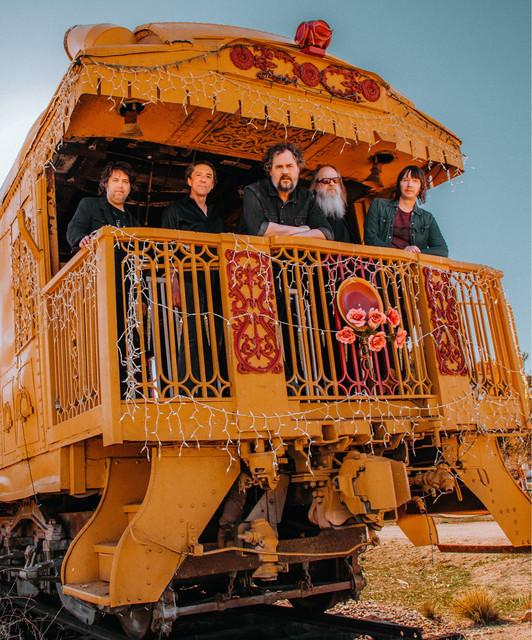
Uncle Tupelo’s Spotify BioWith the release of their 1990 debut LP, No Depression, the Belleville, IL, trio Uncle Tupelo launched more than simply their own career -- by fusing the simplicity and honesty of country music with the bracing fury of punk, they kick-started a revolution which reverberated throughout the American underground. Thanks to a successful online site and subsequent fanzine which adopted the album's name, the tag "No Depression" became a catch-all for the like-minded artists who, along with Tupelo, signalled alternative rock's return to its country roots -- at much the same time, ironically enough, that Nashville was itself embracing the slick gloss associated with mainstream rock and pop.
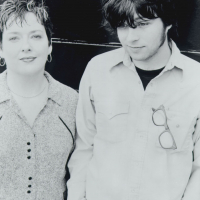
Uncle Tupelo was led by singers/songwriters Jay Farrar and Jeff Tweedy, lifelong friends born in the same Belleville hospital in 1967. During high school, the pair formed a punk cover band called the Primitives along with drummer Mike Heidorn and Farrar's older brother Wade. After Wade enlisted in the Army,… the Primitives broke up, but in 1987, the remaining trio reunited, changed their name to Uncle Tupelo, and began incorporating elements of country into their music as well as writing original material. Touring constantly throughout the Midwest, the bandmembers eventually quit school as their music became more and more successful, and in 1989 they signed a contract with the small independent label Rockville.
Taking its name from the A.P. Carter gospel song covered therein, No Depression reflected the band's disparate influences, ranging from everyone from Hank Williams to bluesman Leadbelly through to the famed post-punk trio Hüsker Dü. The most rock-centric of Uncle Tupelo's releases, its songs were meditations on small-town, small-time life, candid snapshots of days spent working thankless jobs and nights spent in an alcoholic fog. After the release of "I Got Drunk," a brilliant single backed with a cover of the Flying Burrito Brothers' "Sin City," 1991's Still Feel Gone struck a finer balance between their rock and country aims. While Farrar's contributions -- sung in his reedy, Neil Young-like voice -- were often informed by a rootsy, scorched-earth mentality, Tweedy's, with their grittier vocals, delved deeper into the trio's punk origins, as typified by the song "D. Boon," a tribute to the late frontman of the legendary Minutemen.
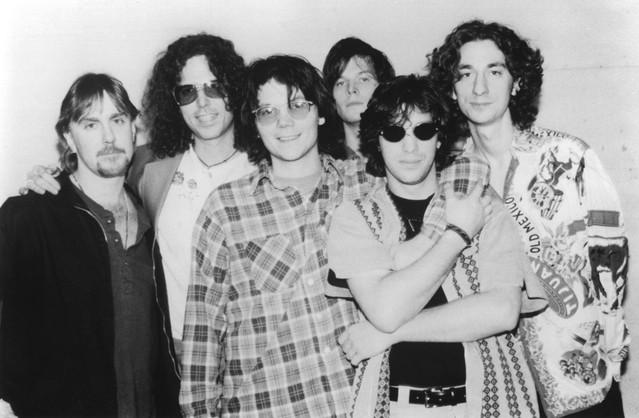
A year later, Uncle Tupelo released March 16-20, 1992, an acoustic record which saw the group plunging fully into country and folk. Recorded live in the studio with producer Peter Buck (of the band R.E.M.), the album drew heavily on painstakingly authentic covers of standards like "Moonshiner" and "Satan, Your Kingdom Must Come Down" along with a fitting rendition of the Louvin Brothers' "The Great Atomic Power" and Farrar's and Tweedy's originals, which maintained the record's spare, haunting ambience. Shortly after its release, Heidorn left the group to devote time to his family and was replaced by drummer Ken Coomer, formerly of the group Clockhammer. Multi-instrumentalists Max Johnston and John Stirratt also signed on as part-time members.
In 1992, Uncle Tupelo signed to major label Sire/Reprise and in 1993 issued the LP Anodyne. Widely regarded as the group's definitive statement, it was a true country-rock hybrid which accented the power of both musical forms; the album even featured a cover of the song "Give Back the Key to My Heart" sung with its writer, roots rock pioneer Doug Sahm. After a tour in support of the album, however, the long-standing relationship between Farrar and Tweedy dissolved in bitter acrimony, and Uncle Tupelo disbanded; shortly thereafter, Tweedy recruited Coomer, Johnston, and Stirratt to form the band Wilco, while Farrar reunited with Heidorn in Son Volt. ~ Jason Ankeny, Rovi
Viberate is a music analytics platform built for A&Rs, artist managers, labels, booking agents, marketers, and artists.
It helps music professionals track artist growth, analyze audience data, monitor playlist activity, compare artists, follow song performance, and identify opportunities across the music market.
Public artist pages provide a free preview of selected artist data. Paid plans provide access to deeper analytics, historical data, charts, comparisons, playlist tools, exports, alerts, reports, and additional professional features.
Yes. Public Viberate artist pages provide selected artist analytics and music data for free.
Viberate also offers a 7-day free trial of the full platform. A credit card is required to start the trial. The trial includes access to the complete product so users can test deeper artist analytics, historical views, playlist insights, comparisons, charts, exports, alerts, and reporting features before choosing a paid plan.
Viberate provides artist analytics across streaming, playlists, social media, video, radio airplay, songs, and audience markets.
Users can analyze Spotify performance, Spotify and Apple Music playlists, YouTube activity, TikTok and Instagram growth, radio spins, song performance, audience locations, demographics, rankings, and overall artist momentum.
Artist profiles also connect to music charts, similar artists, and comparison tools, helping users benchmark performance and evaluate artists in context.
Viberate updates key artist and track data daily.
For followed artists and tracks, selected data is refreshed multiple times per day. This helps teams monitor playlist changes, streaming movement, audience growth, releases, and campaign performance with more current data.
Update frequency can vary depending on the metric and data source.
Yes. Viberate lets users compare up to five artists side by side across streaming, social media, audience, and engagement metrics.
Users can compare fanbase growth, audience demographics, locations, Spotify performance, social metrics, and other artist data over selected time periods.
Artist comparison can be used for A&R scouting, benchmarking, booking decisions, campaign planning, and evaluating artists with similar audiences or market positions.