Uncle Earl

Country
Americana/Alt Country
Bluegrass
 Viberate Rank: 263197
 Viberate Rank: 263197
 Monthly ListenersFollowers
 Subscribers
 Followers
 Followers
 FansTop Spotify Songs
| Track | 7-Day Streams | |
|---|---|---|
1 | 1.82K | |
2 | 1.24K | |
3 | 689 | |
4 | 573 | |
5 | 379 |
Top YouTube Videos| Video | 7-Day Views | |
|---|---|---|
1 | 3 | |
2 | 2 |
Monthly ListenersFeatured in Playlists| Playlist | Followers | |
|---|---|---|
1 |  Old Time & American Folk notduncan | 12.70K |
2 |  Music of the Appalachias Art3mis25 | 3.88K |
3 | Fiddle/Old-Time/Appalachian ivanavu | 3.71K |
4 | Old Time Fiddle Tunes Jeremy Aaron | 3.42K |
5 |  Badass Banjo & Bluegrass Music joshuajcoleman | 2.49K |
Audience| City | Monthly Listeners | |
|---|---|---|
1 | | 144 |
2 | | 142 |
3 | | 135 |
4 | | 135 |
5 | | 129 |
See full performance history, audience data, playlist activity, rankings, comparisons, and more in Viberate music analytics. Start with a free trial, then continue with a paid plan.
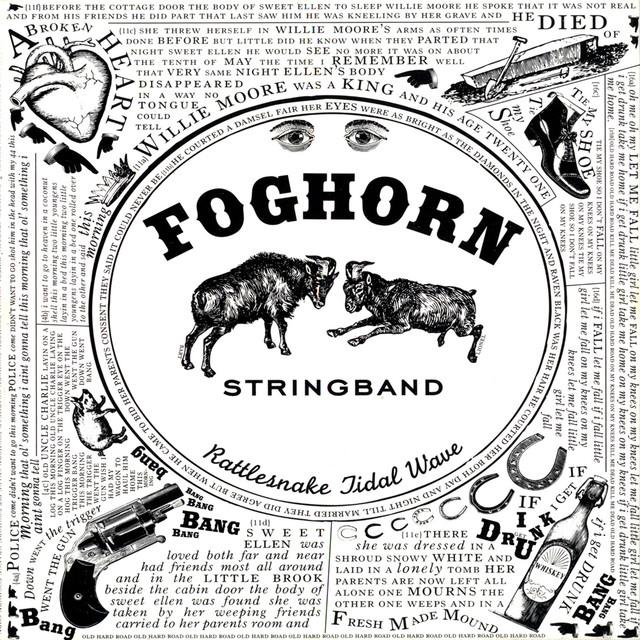
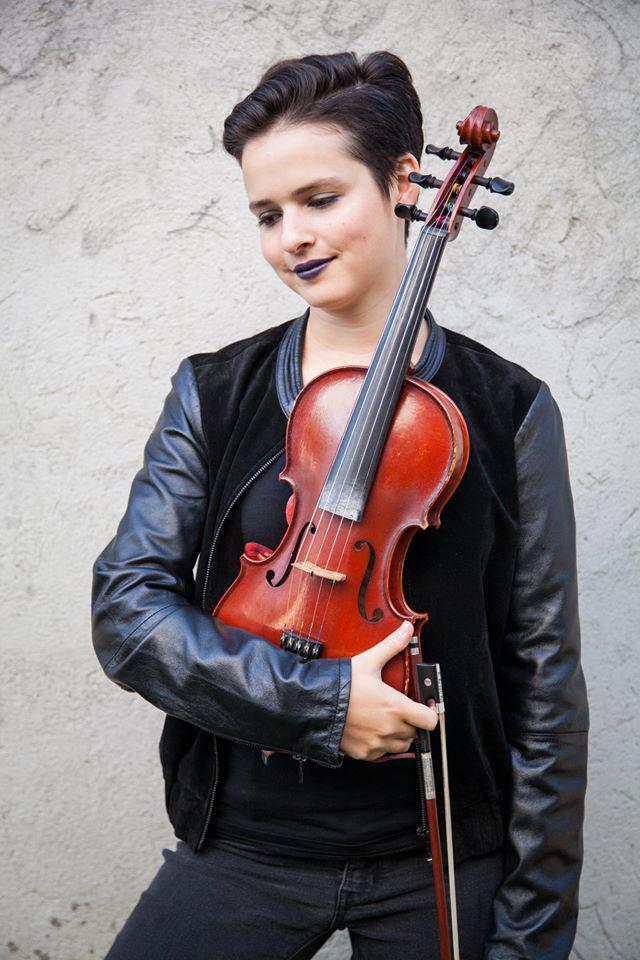
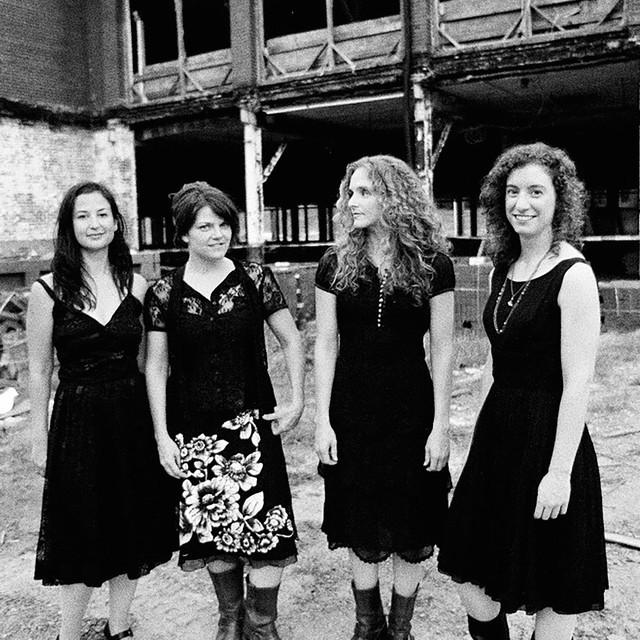
Uncle Earl’s Spotify BioAmerican string band Uncle Earl formed in Ann Arbor, Michigan in 2000. Founded by singer/songwriters K.C. Groves and Jo Serrapere, the band's early years set the tradition of an all-female lineup that included Amanda Kowalski, Casey Henry, Sally Truitt, and Tahmineh Gueramy. This initial lineup yielded the 2002 independently released album She Went Upstairs. A winning mix of traditional folk, bluegrass, and old-timey string band music, Uncle Earl's music found favor among the folk and roots music circuit, though Groves' eventual relocation to Colorado led to the dissolution of the original group. By the end of 2003, however, Groves had put in place the group's best known and most successful lineup. With Groves on mandolin, guitar, and vocals, and new recruits Kristin Andreassen (guitar, fiddle, ukulele, harmonica, vocals, clogging), Rayna Gellert (fiddle, guitar, vocals), and Abigail Washburn (banjo, vocals), Uncle Earl established themselves nationally with a pair of self-released EPs… and constant touring. A deal was struck with esteemed folk label Rounder Records and by 2005, the band had recorded their label debut, She Waits for the Night, with old-timey artist/producer Dirk Powell. While touring in support of the album, the band met roots music enthusiast and former Led Zeppelin bassist/keyboardist John Paul Jones, who came on board to produce their acclaimed 2007 follow-up, Waterloo, Tennessee. The group's most successful period followed with touring both overseas and across North America. Within a few years, each member had begun to pursue individual interests and careers. Throughout the early 2010s, Groves and Andreassen occasionally revived Uncle Earl with a different supporting lineup and in 2014, the core quartet reconvened for their first show in six years. ~ Timothy Monger, Rovi
Viberate is a music analytics platform built for A&Rs, artist managers, labels, booking agents, marketers, and artists.
It helps music professionals track artist growth, analyze audience data, monitor playlist activity, compare artists, follow song performance, and identify opportunities across the music market.
Public artist pages provide a free preview of selected artist data. Paid plans provide access to deeper analytics, historical data, charts, comparisons, playlist tools, exports, alerts, reports, and additional professional features.
Yes. Public Viberate artist pages provide selected artist analytics and music data for free.
Viberate also offers a 7-day free trial of the full platform. A credit card is required to start the trial. The trial includes access to the complete product so users can test deeper artist analytics, historical views, playlist insights, comparisons, charts, exports, alerts, and reporting features before choosing a paid plan.
Viberate provides artist analytics across streaming, playlists, social media, video, radio airplay, songs, and audience markets.
Users can analyze Spotify performance, Spotify and Apple Music playlists, YouTube activity, TikTok and Instagram growth, radio spins, song performance, audience locations, demographics, rankings, and overall artist momentum.
Artist profiles also connect to music charts, similar artists, and comparison tools, helping users benchmark performance and evaluate artists in context.
Viberate updates key artist and track data daily.
For followed artists and tracks, selected data is refreshed multiple times per day. This helps teams monitor playlist changes, streaming movement, audience growth, releases, and campaign performance with more current data.
Update frequency can vary depending on the metric and data source.
Yes. Viberate lets users compare up to five artists side by side across streaming, social media, audience, and engagement metrics.
Users can compare fanbase growth, audience demographics, locations, Spotify performance, social metrics, and other artist data over selected time periods.
Artist comparison can be used for A&R scouting, benchmarking, booking decisions, campaign planning, and evaluating artists with similar audiences or market positions.