Mark Schatz

Blues
Contemporary Blues
Bluegrass
 Viberate Rank: 228764
 Viberate Rank: 228764
 Monthly ListenersFollowers
 Subscribers
 Followers
 Followers
 FansTop Spotify Songs
| Track | 7-Day Streams | |
|---|---|---|
1 | 2.64K | |
2 | 1.88K | |
3 | 1.76K | |
4 | 1.27K | |
5 | 1.26K |
Top YouTube VideosMonthly ListenersFeatured in Playlists| Playlist | Followers | |
|---|---|---|
1 |  Bluegrass Covers Spotify | 287.90K |
2 |  Instrumental Bluegrass Spotify | 64.54K |
3 | Appalachian Folk Music mheld3 | 34.95K |
4 |  NPR Classical NPR Music | 14.43K |
5 |  Old Time & American Folk notduncan | 12.70K |
Audience| City | Monthly Listeners | |
|---|---|---|
1 | | 183 |
2 | | 179 |
3 | | 162 |
4 | | 149 |
5 | | 147 |
See full performance history, audience data, playlist activity, rankings, comparisons, and more in Viberate music analytics. Start with a free trial, then continue with a paid plan.
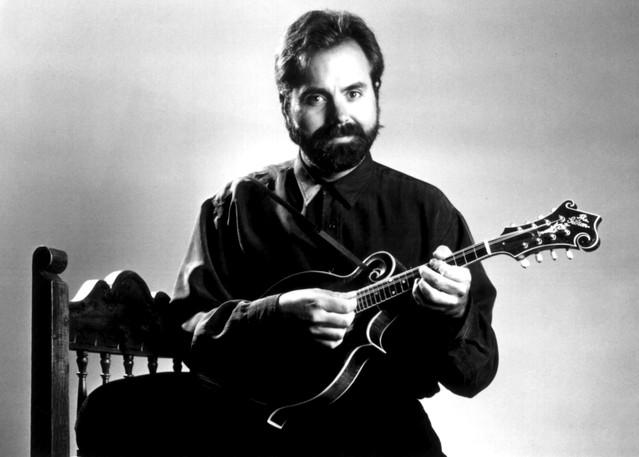
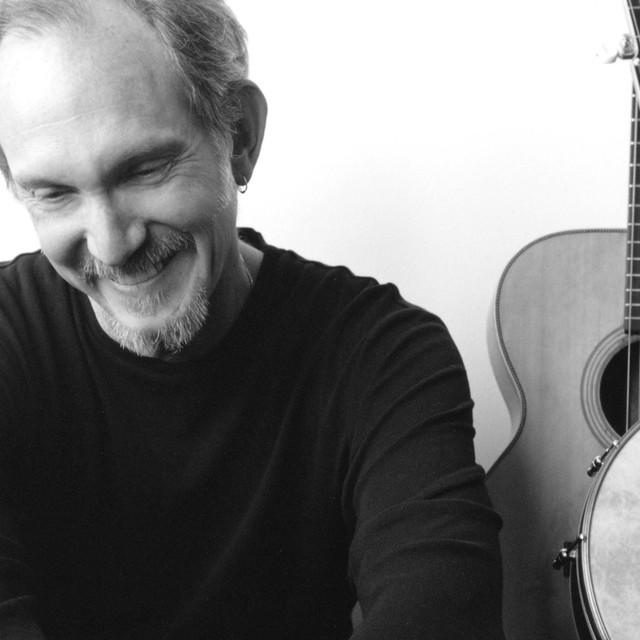
Mark Schatz’s Spotify BioMark Schatz, a prominent player on the Nashville scene, has worked with artists such as Béla Fleck, Jerry Douglas, Tony Rice, Maura O'Connell, John Hartford, Linda Ronstadt, Emmylou Harris, and Tim O'Brien. He has twice been named IBMA (International Bluegrass Music Association) Bass Player of the Year and has served as the musical director of the percussive dance ensemble Footworks. His solo debut, Brand New Old Tyme Way, was produced by Fleck for Rounder Records in 1995. The effort featured Schatz's clawhammer banjo and original compositions.
Schatz, who was born on April 23, 1955, began his musical training on cello at ten, later switching to string bass. He soon also picked up guitar and mandolin. During the mid-'70s, Schatz worked on a degree in music theory and composition at Haverford College, also studying at Boston's Berklee School of Music for a time. In addition, he picked up the banjo and learned to clog, inspired by his work with a Boston folk dance group. He befriended Fle…ck in 1977, an association that would lead to their working together on several projects throughout the years. In 1983, Schatz relocated to Nashville, playing country music on electric bass. He went acoustic again a few years later, joining the Tony Rice Unit. From 1990 to 1998, Schatz played with Tim and Mollie O'Brien, pausing only to release a critically lauded solo album in 1992. Despite Brand New Old Tyme Way's popularity, it wasn't until 2006 that he would release its follow-up, Steppin in the Boiler House. ~ Erik Hage, Rovi
Viberate is a music analytics platform built for A&Rs, artist managers, labels, booking agents, marketers, and artists.
It helps music professionals track artist growth, analyze audience data, monitor playlist activity, compare artists, follow song performance, and identify opportunities across the music market.
Public artist pages provide a free preview of selected artist data. Paid plans provide access to deeper analytics, historical data, charts, comparisons, playlist tools, exports, alerts, reports, and additional professional features.
Yes. Public Viberate artist pages provide selected artist analytics and music data for free.
Viberate also offers a 7-day free trial of the full platform. A credit card is required to start the trial. The trial includes access to the complete product so users can test deeper artist analytics, historical views, playlist insights, comparisons, charts, exports, alerts, and reporting features before choosing a paid plan.
Viberate provides artist analytics across streaming, playlists, social media, video, radio airplay, songs, and audience markets.
Users can analyze Spotify performance, Spotify and Apple Music playlists, YouTube activity, TikTok and Instagram growth, radio spins, song performance, audience locations, demographics, rankings, and overall artist momentum.
Artist profiles also connect to music charts, similar artists, and comparison tools, helping users benchmark performance and evaluate artists in context.
Viberate updates key artist and track data daily.
For followed artists and tracks, selected data is refreshed multiple times per day. This helps teams monitor playlist changes, streaming movement, audience growth, releases, and campaign performance with more current data.
Update frequency can vary depending on the metric and data source.
Yes. Viberate lets users compare up to five artists side by side across streaming, social media, audience, and engagement metrics.
Users can compare fanbase growth, audience demographics, locations, Spotify performance, social metrics, and other artist data over selected time periods.
Artist comparison can be used for A&R scouting, benchmarking, booking decisions, campaign planning, and evaluating artists with similar audiences or market positions.