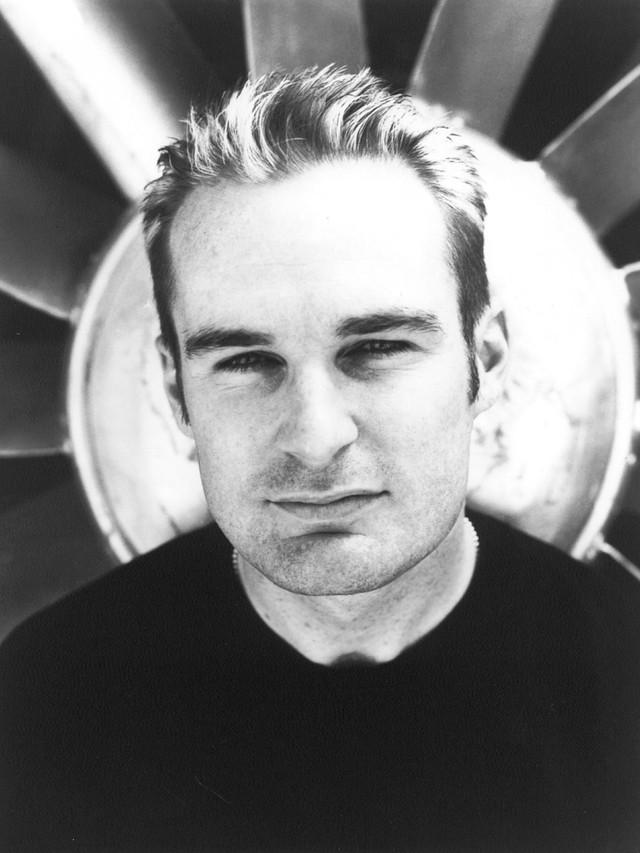
Uberzone

Electronic
Downtempo
Breakbeat
 Viberate Rank: 369126
 Viberate Rank: 369126
 Monthly ListenersFollowers
 Subscribers
 Followers
 Followers
 FansTop Spotify Songs
| Track | 7-Day Streams | |
|---|---|---|
1 | 203 | |
2 | 175 | |
3 | 140 | |
4 | 130 | |
5 | 105 |
Top YouTube VideosMonthly ListenersFeatured in Playlists| Playlist | Followers | |
|---|---|---|
1 |  Acid House & Techno Jaime Sanford | 8.08K |
2 |  90's Progressive House Classics Michael Jackson | 4.08K |
3 |  Northern Exposure Donald Wilborn | 3.68K |
4 | Sasha & Digweed Classics Jon Phillips | 3.54K |
5 |  Progressive House Classics Darius G 🎧 | 3.49K |
Audience| City | Monthly Listeners | |
|---|---|---|
1 | | 43 |
2 | | 40 |
3 |  | 38 |
4 |  | 37 |
5 |  | 27 |
See full performance history, audience data, playlist activity, rankings, comparisons, and more in Viberate music analytics. Start with a free trial, then continue with a paid plan.
Uberzone’s Spotify BioThroughout the late '90s and into the 2000s, Überzone reigned as California's leading breaks producer, primarily singles for many of America's leading commercial dance labels, including City of Angels, Astralwerks, and Moonshine. Born Timothy Wiles yet adamantly billing himself as Q (as named after the "gizmo"-loving James Bond character), the Southern California native developed an affection for all kinds of electronic gear beginning in his early teens. He burst onto the dance scene in 1996-1997 with a pair of landmark singles, "Botz" and "The Freaks," among other productions, for City of Angels. These two singles in particular caused quite a stir at the time and led many in America to place Überzone alongside such hyped artists as the Chemical Brothers, Prodigy, and Crystal Method. Unlike these other artists, who tended to be album-oriented live performers, Überzone never quite lived up to his commercial billing, as either an album artist or live performer. Nevertheless, America's… leading commercial dance label at the time, Astralwerks, signed him and released his debut full-length album, Faith in the Future, in 2001. The relationship with Astralwerks quickly disintegrated after the release, and a year later Überzone moved to Moonshine, America's other leading commercial dance label. Moonshine released The Digital Mix in 2002, a computer-aided mix album featuring numerous Überzone tracks, including several new productions and a special mix of "The Freaks." ~ Jason Birchmeier
Viberate is a music analytics platform built for A&Rs, artist managers, labels, booking agents, marketers, and artists.
It helps music professionals track artist growth, analyze audience data, monitor playlist activity, compare artists, follow song performance, and identify opportunities across the music market.
Public artist pages provide a free preview of selected artist data. Paid plans provide access to deeper analytics, historical data, charts, comparisons, playlist tools, exports, alerts, reports, and additional professional features.
Yes. Public Viberate artist pages provide selected artist analytics and music data for free.
Viberate also offers a 7-day free trial of the full platform. A credit card is required to start the trial. The trial includes access to the complete product so users can test deeper artist analytics, historical views, playlist insights, comparisons, charts, exports, alerts, and reporting features before choosing a paid plan.
Viberate provides artist analytics across streaming, playlists, social media, video, radio airplay, songs, and audience markets.
Users can analyze Spotify performance, Spotify and Apple Music playlists, YouTube activity, TikTok and Instagram growth, radio spins, song performance, audience locations, demographics, rankings, and overall artist momentum.
Artist profiles also connect to music charts, similar artists, and comparison tools, helping users benchmark performance and evaluate artists in context.
Viberate updates key artist and track data daily.
For followed artists and tracks, selected data is refreshed multiple times per day. This helps teams monitor playlist changes, streaming movement, audience growth, releases, and campaign performance with more current data.
Update frequency can vary depending on the metric and data source.
Yes. Viberate lets users compare up to five artists side by side across streaming, social media, audience, and engagement metrics.
Users can compare fanbase growth, audience demographics, locations, Spotify performance, social metrics, and other artist data over selected time periods.
Artist comparison can be used for A&R scouting, benchmarking, booking decisions, campaign planning, and evaluating artists with similar audiences or market positions.