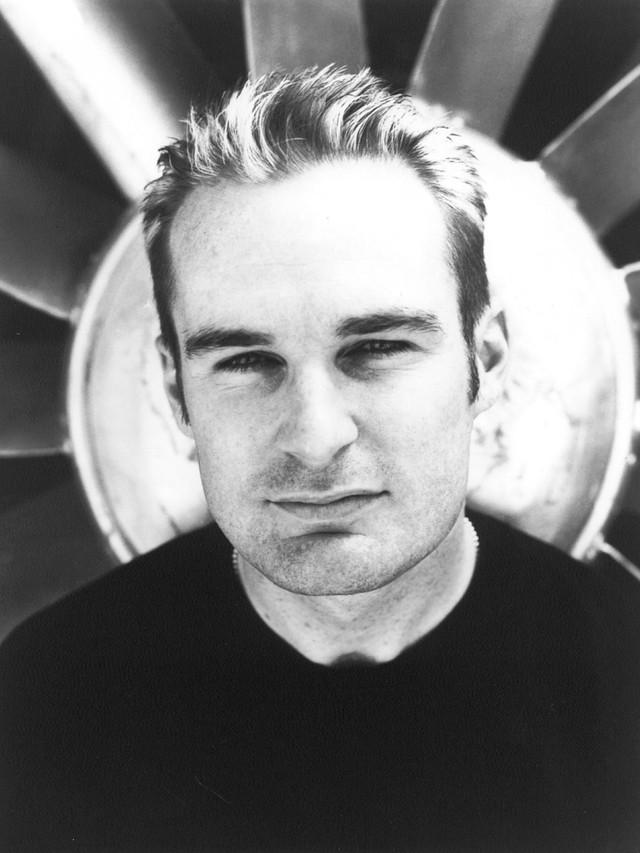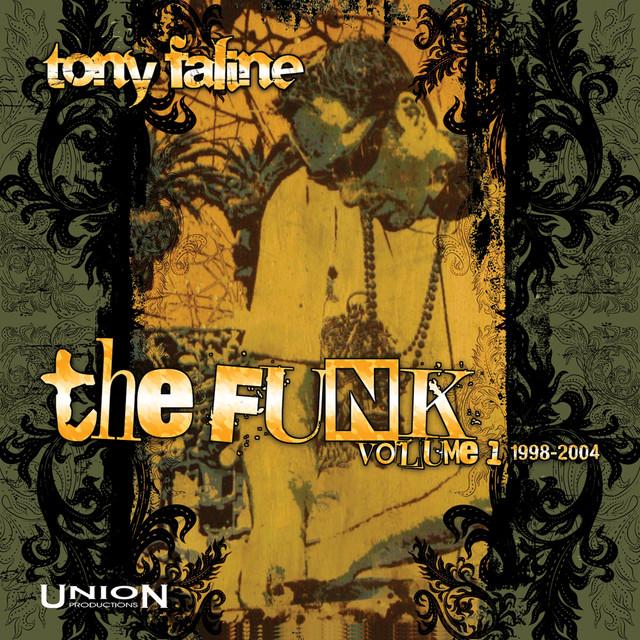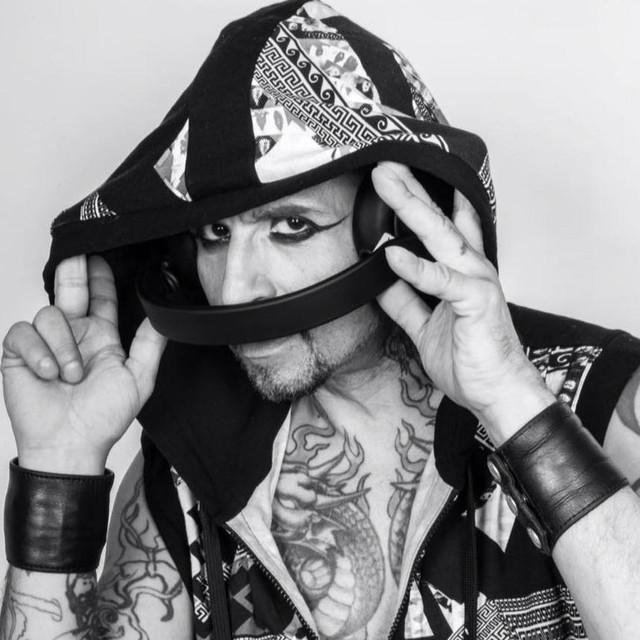
Superstar DJ Keoki

Electronic
Techno
Other Electronic Music
Dance
 Viberate Rank: 235440
 Viberate Rank: 235440
 Monthly ListenersFollowers
 Subscribers
 Followers
 Followers
 FansTop Spotify Songs
| Track | 7-Day Streams | |
|---|---|---|
1 | 637 | |
2 | 354 | |
3 | 163 | |
4 | 158 | |
5 | 126 |
Top YouTube VideosMonthly ListenersFeatured in Playlists| Playlist | Followers | |
|---|---|---|
1 | '90s Dance Music Mix Anthony Garcia | 31.29K |
2 | Freddie Tolentino | 12.04K |
3 |  Classic Trance (1990-2005) Darius G 🎧 | 9.70K |
4 | Full Length DJ Mixes - Continuous Mixes Evan Witten | 8.60K |
5 |  Old Skool House Classics Dylan.butler | 8.58K |
Audience| City | Monthly Listeners | |
|---|---|---|
1 | | 85 |
2 | | 81 |
3 | | 81 |
4 | | 72 |
5 | | 71 |
See full performance history, audience data, playlist activity, rankings, comparisons, and more in Viberate music analytics. Start with a free trial, then continue with a paid plan.
Superstar DJ Keoki’s Spotify BioProbably the most visible DJ on the mainstream U.S. dance scene, Keoki released a half-dozen mix LPs and, beginning with 1997's Ego Trip, his own breakbeat-trance productions as well. Born in Panama but raised in Hawaii, Keoki hit the mainland in the mid-'80s and gained an airline job in New York. While moonlighting at the Danceteria nightclub, he decide to translate his love of music into a DJ career and soon became one of the city's most flamboyant DJs -- he dubbed himself "Superstar DJ Keoki" long before he gained any fame at all.
After releasing several mixtapes during the early '90s, Keoki gained a licensing deal through Moonshine Music and debuted with a volume in the label's Journeys by DJ series in 1994. Several more mix albums followed during the next two years, with Keoki spotlighting his love of deep trance on 1995's All Mixed Up and cultivating a sense of humor on the following year's Disco Death Race 2000. Though he released his fourth mix LP in 1996 as well, Keoki had… already decided to pursue a different path, with the release of his first own-production single, "Caterpillar." The single crested at number three on the dance charts and earned him a spot on that summer's Lollapalooza circuit. After a move from New York to Southern California, Keoki began work on his production debut album, and released Ego-Trip in July 1997. Always one to stay at least a step ahead of expectations, Keoki returned in 1998 with another mix LP plus an album of Ego-Trip remixes (from the Crystal Method, Rabbit in the Moon, Omar Santana and Cirrus, among others). Djmixed.com followed in 2000 and was chased by the full-length album Jealousy a year later. The limited edition of the album includes remixes and unreleased tracks.~ John Bush
Viberate is a music analytics platform built for A&Rs, artist managers, labels, booking agents, marketers, and artists.
It helps music professionals track artist growth, analyze audience data, monitor playlist activity, compare artists, follow song performance, and identify opportunities across the music market.
Public artist pages provide a free preview of selected artist data. Paid plans provide access to deeper analytics, historical data, charts, comparisons, playlist tools, exports, alerts, reports, and additional professional features.
Yes. Public Viberate artist pages provide selected artist analytics and music data for free.
Viberate also offers a 7-day free trial of the full platform. A credit card is required to start the trial. The trial includes access to the complete product so users can test deeper artist analytics, historical views, playlist insights, comparisons, charts, exports, alerts, and reporting features before choosing a paid plan.
Viberate provides artist analytics across streaming, playlists, social media, video, radio airplay, songs, and audience markets.
Users can analyze Spotify performance, Spotify and Apple Music playlists, YouTube activity, TikTok and Instagram growth, radio spins, song performance, audience locations, demographics, rankings, and overall artist momentum.
Artist profiles also connect to music charts, similar artists, and comparison tools, helping users benchmark performance and evaluate artists in context.
Viberate updates key artist and track data daily.
For followed artists and tracks, selected data is refreshed multiple times per day. This helps teams monitor playlist changes, streaming movement, audience growth, releases, and campaign performance with more current data.
Update frequency can vary depending on the metric and data source.
Yes. Viberate lets users compare up to five artists side by side across streaming, social media, audience, and engagement metrics.
Users can compare fanbase growth, audience demographics, locations, Spotify performance, social metrics, and other artist data over selected time periods.
Artist comparison can be used for A&R scouting, benchmarking, booking decisions, campaign planning, and evaluating artists with similar audiences or market positions.