Tycho

Electronic
Other Electronic Music
Lo-Fi
 Viberate Rank: 13444
 Viberate Rank: 13444
 Monthly ListenersFollowers
 Subscribers
 Followers
 Followers
 FansTop Spotify Songs
| Track | 7-Day Streams | |
|---|---|---|
1 | 264.08K | |
2 | 89.01K | |
3 | 52.05K | |
4 | 51.13K | |
5 | 50.22K |
Top YouTube Videos| Video | 7-Day Views | |
|---|---|---|
1 | 6.43K | |
2 | 6.14K | |
3 | 5.34K | |
4 | 2.59K | |
5 | 1.79K |
Monthly ListenersFeatured in Playlists| Playlist | Followers | |
|---|---|---|
1 |  Brain Food Spotify | 3.66M |
2 |  Van Life Spotify | 860.98K |
3 |  Soft Office Spotify | 595.70K |
4 |  Coding Mode Spotify | 468.65K |
5 |  Roadtrip Songs 2026 - Driving songs 🚎 - Travel Songs ⛰️ Dream Wave Records | 261.28K |
Audience| City | Monthly Listeners | |
|---|---|---|
1 |  | 21.41K |
2 | | 19.09K |
3 | | 18.98K |
4 |  | 18.71K |
5 | | 17.16K |
See full performance history, audience data, playlist activity, rankings, comparisons, and more in Viberate music analytics. Start with a free trial, then continue with a paid plan.
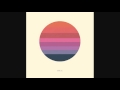
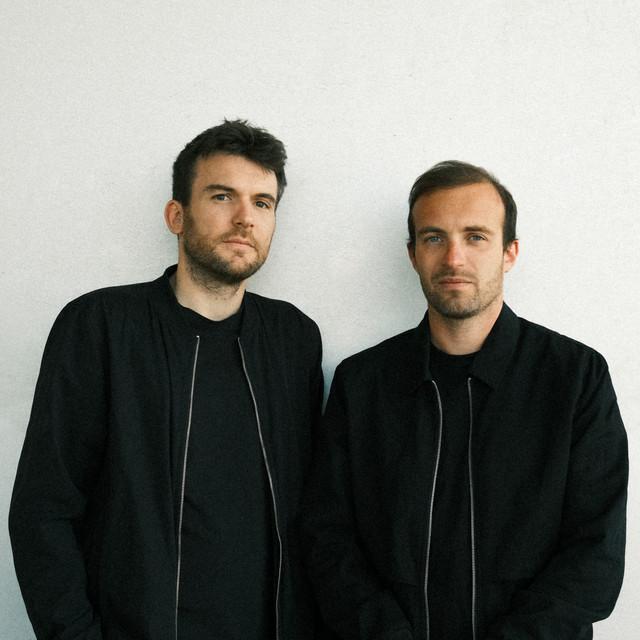
Tycho’s Spotify BioAs Tycho, Scott Hansen blends swirling melodies into vaguely triumphant arcs that crisscross between stuttering beats and vocal samples, creating rolling sonic landscapes that extend into the horizon. The San Francisco based Hansen began releasing music in the early 2000’s with The Science of Patterns EP. His first full-length, Sunrise Projector, came out in 2004, and the critical acclaim continued in 2006 with the release of Past Is Prologue. In 2011 with the addition of collaborator and guitarist Zac Brown, Hansen’s meticulous process saw the release of Dive, the first record in a trilogy that was followed by Awake in 2014 and the GRAMMY-Nominated Epoch in 2016, two albums that featured Rory O’Connor on drums. Hansen expanded the scope of his project with the addition of vocalist Saint Sinner on 2019’s Weather, Tycho’s second GRAMMY nomination for Best Dance/Electronic Album. That release was quickly followed by its instrumental companion record Simulcast, a collaboration with… alt-R&B artist rum.gold and the Weather Remixes project all in 2020. In addition to his original works, Tycho has remixed Odesza & Leon Bridges, Maggie Rogers, Spoon, The Knocks & Muna, Little Dragon, Thievery Corporation and Death Cab For Cutie.
Over the course of the last fifteen years, Tycho has evolved from a singular to a plural, and from an electronic, ambient experiment to a multi-dimensional audio visual live experience that bring the compositions to life.
Viberate is a music analytics platform built for A&Rs, artist managers, labels, booking agents, marketers, and artists.
It helps music professionals track artist growth, analyze audience data, monitor playlist activity, compare artists, follow song performance, and identify opportunities across the music market.
Public artist pages provide a free preview of selected artist data. Paid plans provide access to deeper analytics, historical data, charts, comparisons, playlist tools, exports, alerts, reports, and additional professional features.
Yes. Public Viberate artist pages provide selected artist analytics and music data for free.
Viberate also offers a 7-day free trial of the full platform. A credit card is required to start the trial. The trial includes access to the complete product so users can test deeper artist analytics, historical views, playlist insights, comparisons, charts, exports, alerts, and reporting features before choosing a paid plan.
Viberate provides artist analytics across streaming, playlists, social media, video, radio airplay, songs, and audience markets.
Users can analyze Spotify performance, Spotify and Apple Music playlists, YouTube activity, TikTok and Instagram growth, radio spins, song performance, audience locations, demographics, rankings, and overall artist momentum.
Artist profiles also connect to music charts, similar artists, and comparison tools, helping users benchmark performance and evaluate artists in context.
Viberate updates key artist and track data daily.
For followed artists and tracks, selected data is refreshed multiple times per day. This helps teams monitor playlist changes, streaming movement, audience growth, releases, and campaign performance with more current data.
Update frequency can vary depending on the metric and data source.
Yes. Viberate lets users compare up to five artists side by side across streaming, social media, audience, and engagement metrics.
Users can compare fanbase growth, audience demographics, locations, Spotify performance, social metrics, and other artist data over selected time periods.
Artist comparison can be used for A&R scouting, benchmarking, booking decisions, campaign planning, and evaluating artists with similar audiences or market positions.