Twisted Tower Dire

Metal
Heavy Metal
Power Metal
 Viberate Rank: 323563
 Viberate Rank: 323563
 Monthly ListenersFollowers
 Subscribers
 Followers
 Followers
 FansTop Spotify Songs
| Track | 7-Day Streams | |
|---|---|---|
1 | 115 | |
2 | 102 | |
3 | 74 | |
4 | 68 | |
5 | 40 |
Top YouTube VideosMonthly ListenersFeatured in Playlists| Playlist | Followers | |
|---|---|---|
1 |  Power Metal / Speed Metal Subterranean Steel | 6.70K |
2 |  Black Sabbath Tributes & Covers Júlio Costa | 2.98K |
3 | Speed Metal Hell Peder Lundgren | 2.84K |
4 | Old School Heavy Metal (Speed Power Thrash Death Black Doom Retro) lazertyger | 2.03K |
5 | Power Metal / Symphonic 900+ Kris Snyder | 1.24K |
Audience| City | Monthly Listeners | |
|---|---|---|
1 |  | 15 |
2 |  | 14 |
3 |  | 12 |
4 | | 11 |
5 |  | 10 |
See full performance history, audience data, playlist activity, rankings, comparisons, and more in Viberate music analytics. Start with a free trial, then continue with a paid plan.
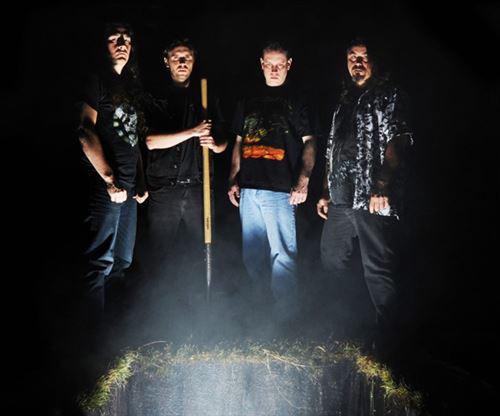
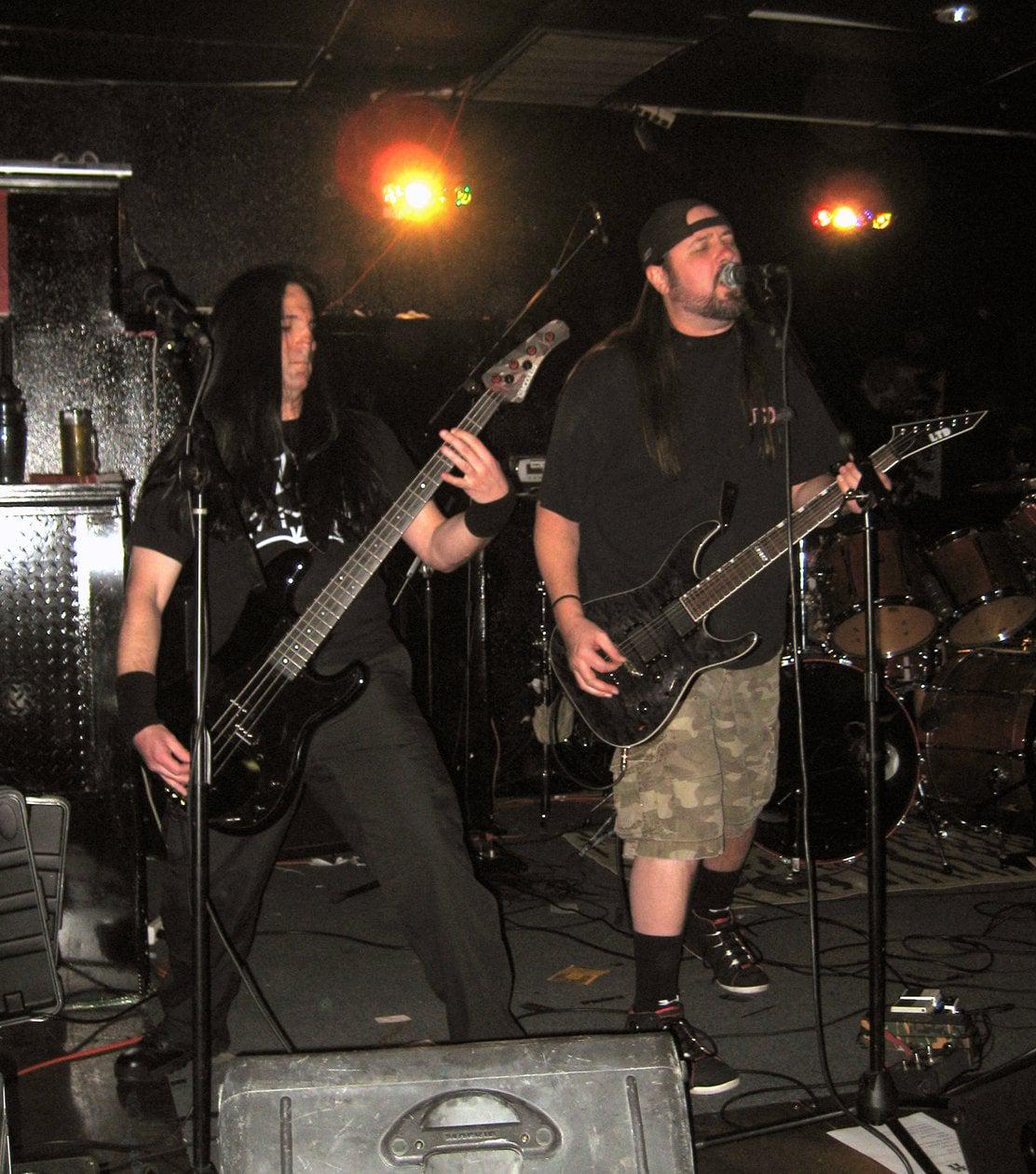
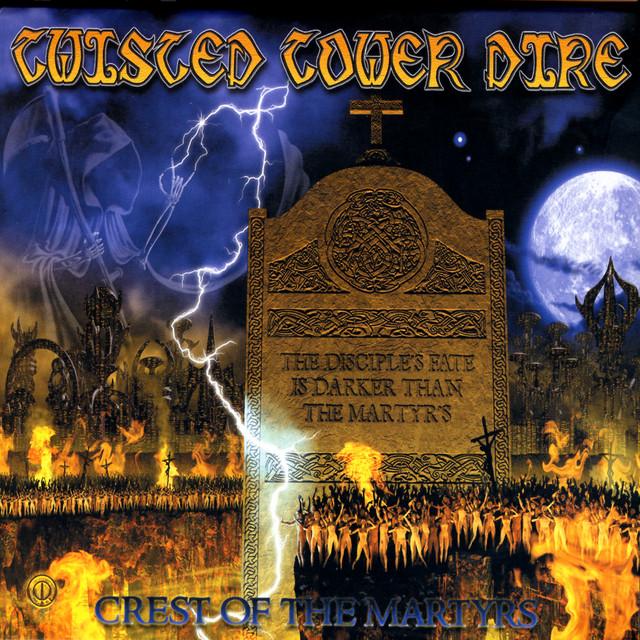
Twisted Tower Dire’s Spotify BioHailing from Chantilly, VA, Twisted Tower Dire proudly wave the flag of classic heavy metal, their heroic fantasy anthems inspired by original masters like Judas Priest, Iron Maiden, and so forth, and therefore existing in something of a vacuum from temporal trends and dictated fashions. Formed in 1995 by castoffs from several local bands, Twisted Tower Dire mainstays Tony Taylor (vocals), Dave Boyd (guitar), Scott Waldrop (guitar), and Marc Stauffer (drums) have recorded numerous EPs and three full albums, each of these with a different bassist, as follows: 1999's The Curse of Twisted Tower (with four-stringer Jim Murad), 2001's The Isle of Hydra (with Mike Engel), and 2003's Crest of the Martyrs (with Jim Hunter -- also of doomsters While Heaven Wept). ~ Eduardo Rivadavia, Rovi
Viberate is a music analytics platform built for A&Rs, artist managers, labels, booking agents, marketers, and artists.
It helps music professionals track artist growth, analyze audience data, monitor playlist activity, compare artists, follow song performance, and identify opportunities across the music market.
Public artist pages provide a free preview of selected artist data. Paid plans provide access to deeper analytics, historical data, charts, comparisons, playlist tools, exports, alerts, reports, and additional professional features.
Yes. Public Viberate artist pages provide selected artist analytics and music data for free.
Viberate also offers a 7-day free trial of the full platform. A credit card is required to start the trial. The trial includes access to the complete product so users can test deeper artist analytics, historical views, playlist insights, comparisons, charts, exports, alerts, and reporting features before choosing a paid plan.
Viberate provides artist analytics across streaming, playlists, social media, video, radio airplay, songs, and audience markets.
Users can analyze Spotify performance, Spotify and Apple Music playlists, YouTube activity, TikTok and Instagram growth, radio spins, song performance, audience locations, demographics, rankings, and overall artist momentum.
Artist profiles also connect to music charts, similar artists, and comparison tools, helping users benchmark performance and evaluate artists in context.
Viberate updates key artist and track data daily.
For followed artists and tracks, selected data is refreshed multiple times per day. This helps teams monitor playlist changes, streaming movement, audience growth, releases, and campaign performance with more current data.
Update frequency can vary depending on the metric and data source.
Yes. Viberate lets users compare up to five artists side by side across streaming, social media, audience, and engagement metrics.
Users can compare fanbase growth, audience demographics, locations, Spotify performance, social metrics, and other artist data over selected time periods.
Artist comparison can be used for A&R scouting, benchmarking, booking decisions, campaign planning, and evaluating artists with similar audiences or market positions.