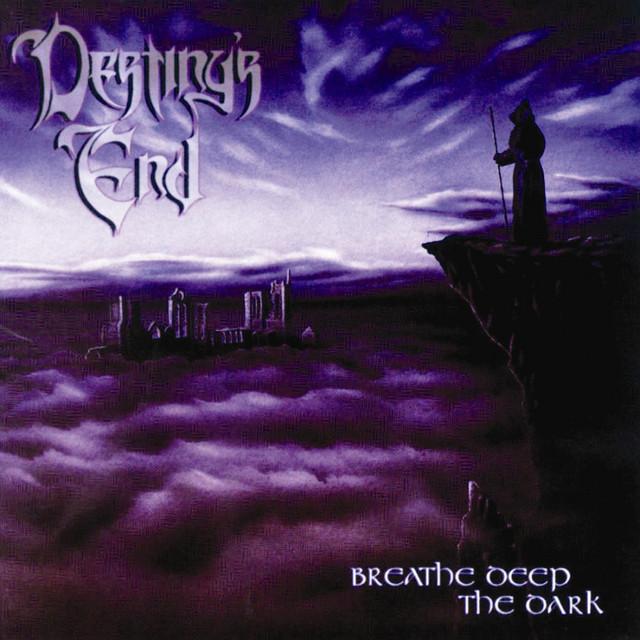
Destiny's End

Metal
Heavy Metal
Power Metal
 Viberate Rank: 522771
 Viberate Rank: 522771
 Monthly ListenersFollowers
 Subscribers
 Followers
 Followers
 FansTop Spotify Songs
| Track | 7-Day Streams | |
|---|---|---|
1 | 31 | |
2 | 30 | |
3 | 23 | |
4 | 21 | |
5 | 19 |
Top YouTube VideosMonthly ListenersFeatured in Playlists| Playlist | Followers | |
|---|---|---|
1 |  Power Metal / Speed Metal Subterranean Steel | 6.70K |
2 |  ROCK PAULEIRA Felipe Camargo | 3.11K |
3 | SUNGENS HÅRDROCKSFREDAG Magnus Östling | 2.11K |
Audience| City | Monthly Listeners | |
|---|---|---|
1 |  | 10 |
2 |  | 8 |
3 | | 6 |
4 | | 5 |
5 | | 5 |
See full performance history, audience data, playlist activity, rankings, comparisons, and more in Viberate music analytics. Start with a free trial, then continue with a paid plan.
Destiny's End’s Spotify BioIn the musical style of well-knowns like Megadeth and Metallica -- while leaning a little toward groups such as Iced Earth and Blind Guardian -- the metal band Destiny's End was founded in Los Angeles, CA, in the '90s. Members are vocalists James Rivera, guitarists Perry Grayson and Dan DeLucie, drummer Brian Craig, and bassist Nardo Andi. Each musician brought considerable experience to Destiny's End. Rivera had spent time as part of the popular group Helstar. Craig, Andi, and DeLucie had all worked together in the band New Eden. Craig and Andi were also members of Shadow Insane. DeLucie performed with Secret Wisdom, Grayson with Stormhaven, and the gifted Rivera with groups including Scorcher, Bad Heaven, and Vigilante.
In 1998, Destiny's End recorded a debut album, Breathe Deep the Dark, under the Metal Blade Records label. The symphonic offering carries fast and brutal numbers like "Sinister Deity," "Immortal," "Under Destruction's Thumb," and "Rebirth." In May of 2000, Perry… Grayson stepped down from his spot as guitarist for the group. He decided to call it quits not long after Destiny's End completed the work on its sophomore album, Transition. With tour obligations hanging over them, the group quickly replaced Grayson with experienced guitarist Eric Halpern. ~ Charlotte Dillon, Rovi
Viberate is a music analytics platform built for A&Rs, artist managers, labels, booking agents, marketers, and artists.
It helps music professionals track artist growth, analyze audience data, monitor playlist activity, compare artists, follow song performance, and identify opportunities across the music market.
Public artist pages provide a free preview of selected artist data. Paid plans provide access to deeper analytics, historical data, charts, comparisons, playlist tools, exports, alerts, reports, and additional professional features.
Yes. Public Viberate artist pages provide selected artist analytics and music data for free.
Viberate also offers a 7-day free trial of the full platform. A credit card is required to start the trial. The trial includes access to the complete product so users can test deeper artist analytics, historical views, playlist insights, comparisons, charts, exports, alerts, and reporting features before choosing a paid plan.
Viberate provides artist analytics across streaming, playlists, social media, video, radio airplay, songs, and audience markets.
Users can analyze Spotify performance, Spotify and Apple Music playlists, YouTube activity, TikTok and Instagram growth, radio spins, song performance, audience locations, demographics, rankings, and overall artist momentum.
Artist profiles also connect to music charts, similar artists, and comparison tools, helping users benchmark performance and evaluate artists in context.
Viberate updates key artist and track data daily.
For followed artists and tracks, selected data is refreshed multiple times per day. This helps teams monitor playlist changes, streaming movement, audience growth, releases, and campaign performance with more current data.
Update frequency can vary depending on the metric and data source.
Yes. Viberate lets users compare up to five artists side by side across streaming, social media, audience, and engagement metrics.
Users can compare fanbase growth, audience demographics, locations, Spotify performance, social metrics, and other artist data over selected time periods.
Artist comparison can be used for A&R scouting, benchmarking, booking decisions, campaign planning, and evaluating artists with similar audiences or market positions.