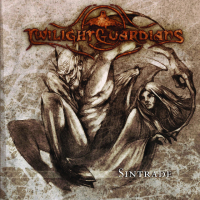
Twilight Guardians

Metal
Power Metal
 Viberate Rank: 349535
 Viberate Rank: 349535
 Monthly ListenersFollowers
 Subscribers
 Followers
 Followers
 FansTop Spotify Songs
| Track | 7-Day Streams | |
|---|---|---|
1 | 5.52K | |
2 | 63 | |
3 | 45 | |
4 | 37 | |
5 | 36 |
Top YouTube VideosMonthly ListenersFeatured in Playlists| Playlist | Followers | |
|---|---|---|
1 | Metal Covers of non-metal songs Jorge García | 30.13K |
2 |  Exoskeleton: Great Metal Covers of Non-Metal Songs glenn mcdonald | 10.94K |
3 | metal covers of pop songs Anthony Bordier | 8.56K |
4 | PUNK/ROCK COVERS sampatel85 | 7.28K |
5 | ROCK COVERS (Multiple Versions; Pick Your Favorite Versions) Dave | 6.11K |
Audience| City | Monthly Listeners | |
|---|---|---|
1 | | 648 |
2 |  | 146 |
3 |  | 135 |
4 |  | 132 |
5 | | 130 |
See full performance history, audience data, playlist activity, rankings, comparisons, and more in Viberate music analytics. Start with a free trial, then continue with a paid plan.
Twilight Guardians’ Spotify BioA power metal quintet that formed in 1996 in Salo, Finland, Twilight Guardians gained a certain notoriety for their 2006 cover of Madonna's mid-'80s pop hit, "La Isla Bonita." Having found success with their 1998 EP, Land of the Kings, Twilight Guardians released their debut album, Tales of the Brave, in 2000. The early momentum of the band was spurred along with festival appearances at such events as Numirock alongside Hammerfall, Scorpions, and Motörhead. Eventually, the band signed with Spinefarm, and released its follow-up full-length, Wasteland, in 2004. Their third album, Sin Trade, was released in 2006, and was notable in that it contained the aforementioned Madonna cover. In 2007, members Vesa Virtanen (vocals), Carl-Johan Gustafsson (guitars), Mikko Tång (bass), Henri Suominen (drums), and Jari Pailamo (keyboards) released Ghost Reborn to warm critical reception. ~ Chris True, Rovi
Viberate is a music analytics platform built for A&Rs, artist managers, labels, booking agents, marketers, and artists.
It helps music professionals track artist growth, analyze audience data, monitor playlist activity, compare artists, follow song performance, and identify opportunities across the music market.
Public artist pages provide a free preview of selected artist data. Paid plans provide access to deeper analytics, historical data, charts, comparisons, playlist tools, exports, alerts, reports, and additional professional features.
Yes. Public Viberate artist pages provide selected artist analytics and music data for free.
Viberate also offers a 7-day free trial of the full platform. A credit card is required to start the trial. The trial includes access to the complete product so users can test deeper artist analytics, historical views, playlist insights, comparisons, charts, exports, alerts, and reporting features before choosing a paid plan.
Viberate provides artist analytics across streaming, playlists, social media, video, radio airplay, songs, and audience markets.
Users can analyze Spotify performance, Spotify and Apple Music playlists, YouTube activity, TikTok and Instagram growth, radio spins, song performance, audience locations, demographics, rankings, and overall artist momentum.
Artist profiles also connect to music charts, similar artists, and comparison tools, helping users benchmark performance and evaluate artists in context.
Viberate updates key artist and track data daily.
For followed artists and tracks, selected data is refreshed multiple times per day. This helps teams monitor playlist changes, streaming movement, audience growth, releases, and campaign performance with more current data.
Update frequency can vary depending on the metric and data source.
Yes. Viberate lets users compare up to five artists side by side across streaming, social media, audience, and engagement metrics.
Users can compare fanbase growth, audience demographics, locations, Spotify performance, social metrics, and other artist data over selected time periods.
Artist comparison can be used for A&R scouting, benchmarking, booking decisions, campaign planning, and evaluating artists with similar audiences or market positions.