Raintime

Metal
Heavy Metal
Death Metal
 Viberate Rank: 314533
 Viberate Rank: 314533
 Monthly ListenersFollowers
 Subscribers
 Followers
 Followers
 FansTop Spotify Songs
| Track | 7-Day Streams | |
|---|---|---|
1 | 3.79K | |
2 | 395 | |
3 | 238 | |
4 | 136 | |
5 | 118 |
Top YouTube VideosMonthly ListenersFeatured in Playlists| Playlist | Followers | |
|---|---|---|
1 | Metal Covers of non-metal songs Jorge García | 30.13K |
2 | Rockers workout Chris Dial | 21.55K |
3 | Rock/Rap/Pop mashups Jeff Tobin | 11.97K |
4 |  Exoskeleton: Great Metal Covers of Non-Metal Songs glenn mcdonald | 10.94K |
5 | Garage Gym Powerlifting Music Brandon Smitley | 8.85K |
Audience| City | Monthly Listeners | |
|---|---|---|
1 |  | 110 |
2 |  | 106 |
3 |  | 94 |
4 | | 93 |
5 | | 92 |
See full performance history, audience data, playlist activity, rankings, comparisons, and more in Viberate music analytics. Start with a free trial, then continue with a paid plan.
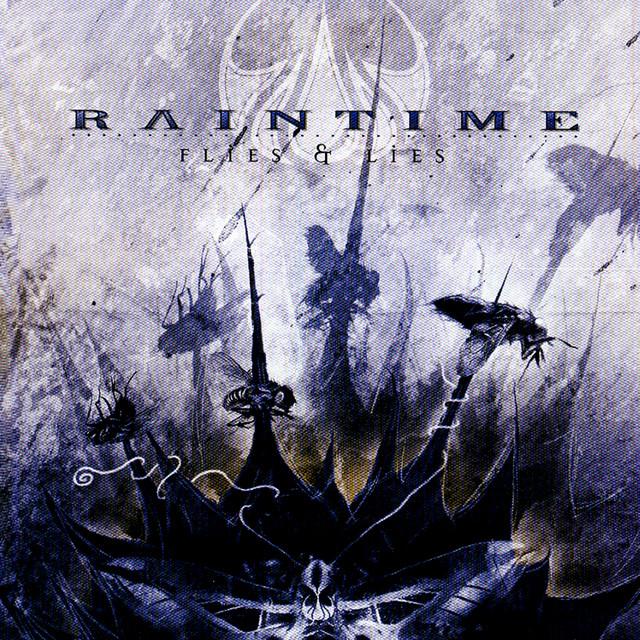
Raintime’s Spotify BioDetail-oriented Italian death metalists Raintime formed in 1999. Inspired by their common love of Dream Theater, Claudio Coassin (keyboards), Luca Michael Martina (guitar), Matteo Di Bon (guitar), and Michele Colussi (bass) formed the core of Raintime and recorded the instrumental demo "Jump in the Past." Soon after the demo sessions were over, the band went through a lineup change, with Coassin moving from keyboards to vocals, new drummer Enrico Fabris joining the fray, and Andrea Corona taking over keyboard duties. As their sound moved into a wider spectrum (and they maintained a continuing interest in progressive metal), the influence of Scandinavian melodic/extreme metal and the riffs and guts of metalcore and thrash found their way into the mix. They released their debut album, Tales from Sadness, on Arise Records in 2005 and followed it up with Flies & Lies, produced by Tommy Hansen (Helloween, Pretty Maids) and released on the Lifeforce label in 2007. ~ J. Scott McClintock, Rovi
Viberate is a music analytics platform built for A&Rs, artist managers, labels, booking agents, marketers, and artists.
It helps music professionals track artist growth, analyze audience data, monitor playlist activity, compare artists, follow song performance, and identify opportunities across the music market.
Public artist pages provide a free preview of selected artist data. Paid plans provide access to deeper analytics, historical data, charts, comparisons, playlist tools, exports, alerts, reports, and additional professional features.
Yes. Public Viberate artist pages provide selected artist analytics and music data for free.
Viberate also offers a 7-day free trial of the full platform. A credit card is required to start the trial. The trial includes access to the complete product so users can test deeper artist analytics, historical views, playlist insights, comparisons, charts, exports, alerts, and reporting features before choosing a paid plan.
Viberate provides artist analytics across streaming, playlists, social media, video, radio airplay, songs, and audience markets.
Users can analyze Spotify performance, Spotify and Apple Music playlists, YouTube activity, TikTok and Instagram growth, radio spins, song performance, audience locations, demographics, rankings, and overall artist momentum.
Artist profiles also connect to music charts, similar artists, and comparison tools, helping users benchmark performance and evaluate artists in context.
Viberate updates key artist and track data daily.
For followed artists and tracks, selected data is refreshed multiple times per day. This helps teams monitor playlist changes, streaming movement, audience growth, releases, and campaign performance with more current data.
Update frequency can vary depending on the metric and data source.
Yes. Viberate lets users compare up to five artists side by side across streaming, social media, audience, and engagement metrics.
Users can compare fanbase growth, audience demographics, locations, Spotify performance, social metrics, and other artist data over selected time periods.
Artist comparison can be used for A&R scouting, benchmarking, booking decisions, campaign planning, and evaluating artists with similar audiences or market positions.