Twice As Much

Rock
Pop Rock
Progressive Rock
 Viberate Rank: 261158
 Viberate Rank: 261158
 Monthly ListenersFollowers
 Subscribers
 Followers
 Followers
 FansTop Spotify Songs
| Track | 7-Day Streams | |
|---|---|---|
1 | 2.18K | |
2 | 753 | |
3 | 753 | |
4 | 727 | |
5 | 523 |
Top YouTube VideosMonthly ListenersFeatured in Playlists| Playlist | Followers | |
|---|---|---|
1 |  Late Night Tales: The Collection Late Night Tales | 32.82K |
2 | Jaren 60 en 70 teuntje60 | 17.65K |
3 |  El Sótano de Radio 3 Groovyfamily | 9.84K |
4 | Sixties Top 2600 Hitsallertijden Willy Hermans | 6.23K |
5 |  Heerlijke rustige Lounge Music | Lekker Chillen DJ Dijk | 4.91K |
Audience| City | Monthly Listeners | |
|---|---|---|
1 |  | 159 |
2 | | 117 |
3 |  | 63 |
4 |  | 60 |
5 | | 41 |
See full performance history, audience data, playlist activity, rankings, comparisons, and more in Viberate music analytics. Start with a free trial, then continue with a paid plan.
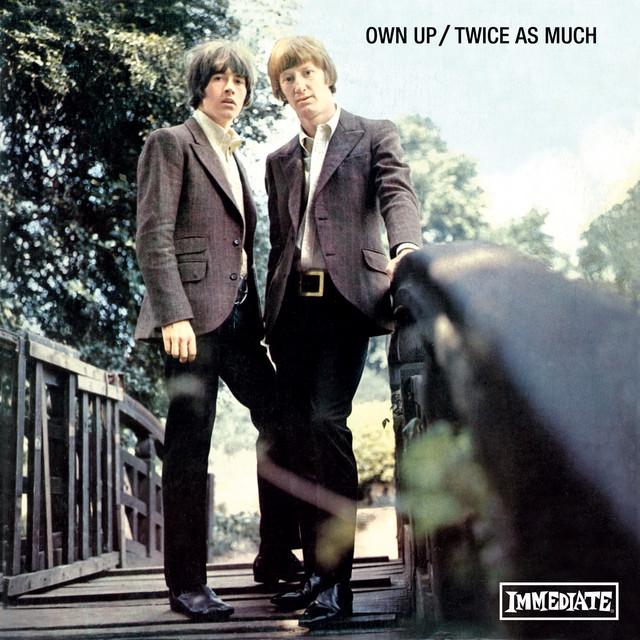
Twice As Much’s Spotify BioOne of the most anonymous-sounding acts of the British Invasion, Twice as Much was the duo of Dave Skinner and Andrew Rose, harmony singers who also wrote much of their own material. Signed to the Immediate label (run by Rolling Stones manager Andrew Loog Oldham), the pair recorded several singles and a couple of albums between 1966 and 1968. Most of these recordings were innocuous, pleasantly forgettable pop affairs in the Peter & Gordon/Chad & Jeremy mold, with light orchestral pop/rock arrangements that sometimes employed a touch of the Baroque. They had their only British Top 40 success with a cover of the Stones' "Sitting on a Fence"; although the Stones' version was one of their best cuts from the Between the Buttons era, the Twice as Much interpretation seems to miss the point completely, transforming it into a chipper, quasi-vaudevillian tune without a hint of ambiguity or sullenness. ~ Richie Unterberger, Rovi
Viberate is a music analytics platform built for A&Rs, artist managers, labels, booking agents, marketers, and artists.
It helps music professionals track artist growth, analyze audience data, monitor playlist activity, compare artists, follow song performance, and identify opportunities across the music market.
Public artist pages provide a free preview of selected artist data. Paid plans provide access to deeper analytics, historical data, charts, comparisons, playlist tools, exports, alerts, reports, and additional professional features.
Yes. Public Viberate artist pages provide selected artist analytics and music data for free.
Viberate also offers a 7-day free trial of the full platform. A credit card is required to start the trial. The trial includes access to the complete product so users can test deeper artist analytics, historical views, playlist insights, comparisons, charts, exports, alerts, and reporting features before choosing a paid plan.
Viberate provides artist analytics across streaming, playlists, social media, video, radio airplay, songs, and audience markets.
Users can analyze Spotify performance, Spotify and Apple Music playlists, YouTube activity, TikTok and Instagram growth, radio spins, song performance, audience locations, demographics, rankings, and overall artist momentum.
Artist profiles also connect to music charts, similar artists, and comparison tools, helping users benchmark performance and evaluate artists in context.
Viberate updates key artist and track data daily.
For followed artists and tracks, selected data is refreshed multiple times per day. This helps teams monitor playlist changes, streaming movement, audience growth, releases, and campaign performance with more current data.
Update frequency can vary depending on the metric and data source.
Yes. Viberate lets users compare up to five artists side by side across streaming, social media, audience, and engagement metrics.
Users can compare fanbase growth, audience demographics, locations, Spotify performance, social metrics, and other artist data over selected time periods.
Artist comparison can be used for A&R scouting, benchmarking, booking decisions, campaign planning, and evaluating artists with similar audiences or market positions.