Tweet

R&B
Contemporary R&B
Neo Soul
 Viberate Rank: 19150
 Viberate Rank: 19150
 Monthly ListenersFollowers
 Subscribers
 Followers
 Followers
 FansTop Spotify Songs
| Track | 7-Day Streams | |
|---|---|---|
1 | 156.98K | |
2 | 35.70K | |
3 | 21.12K | |
4 | 16.58K | |
5 | 11.38K |
Top YouTube VideosMonthly ListenersFeatured in Playlists| Playlist | Followers | |
|---|---|---|
1 |  One-Hit Wonders Spotify | 1.38M |
2 |  Kitchen Swagger Spotify | 1.14M |
3 |  mid:nite storm Spotify | 1.00M |
4 |  clubbing like it's the 2000's kass !! | 981.58K |
5 |  Energy Booster: R&B Spotify | 783.90K |
Audience| City | Monthly Listeners | |
|---|---|---|
1 |  | 19.63K |
2 | | 9.72K |
3 | | 8.87K |
4 | | 8.83K |
5 |  | 8.55K |
See full performance history, audience data, playlist activity, rankings, comparisons, and more in Viberate music analytics. Start with a free trial, then continue with a paid plan.
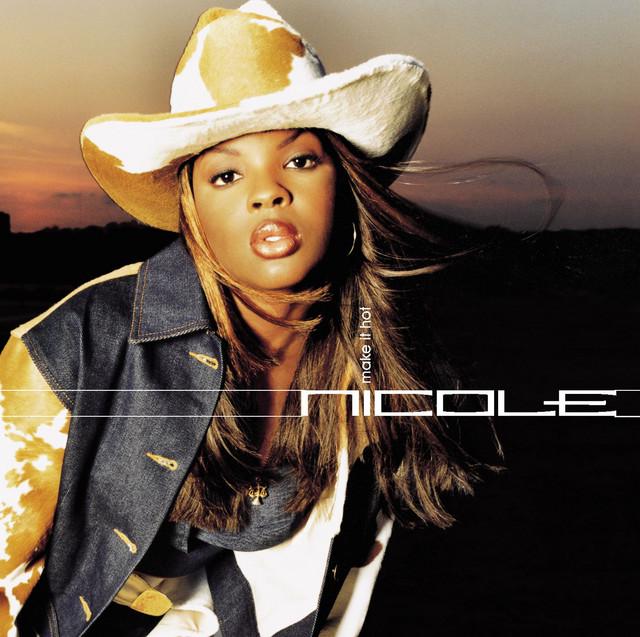
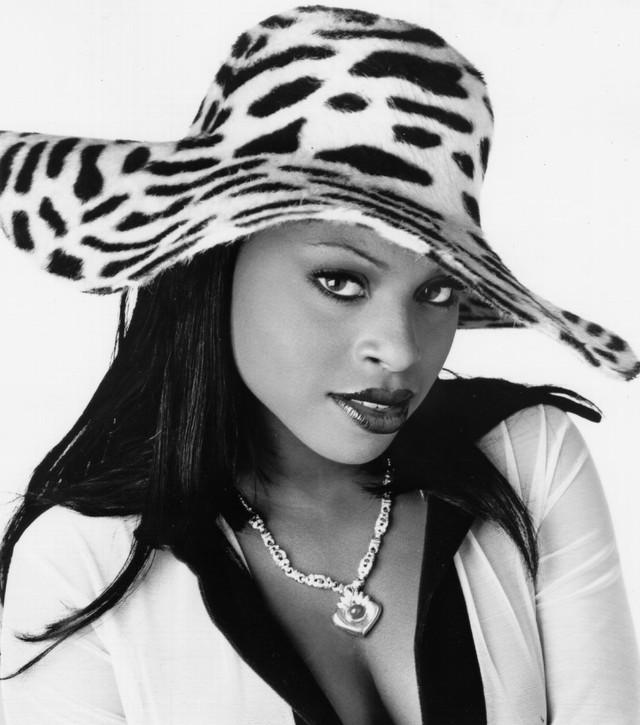
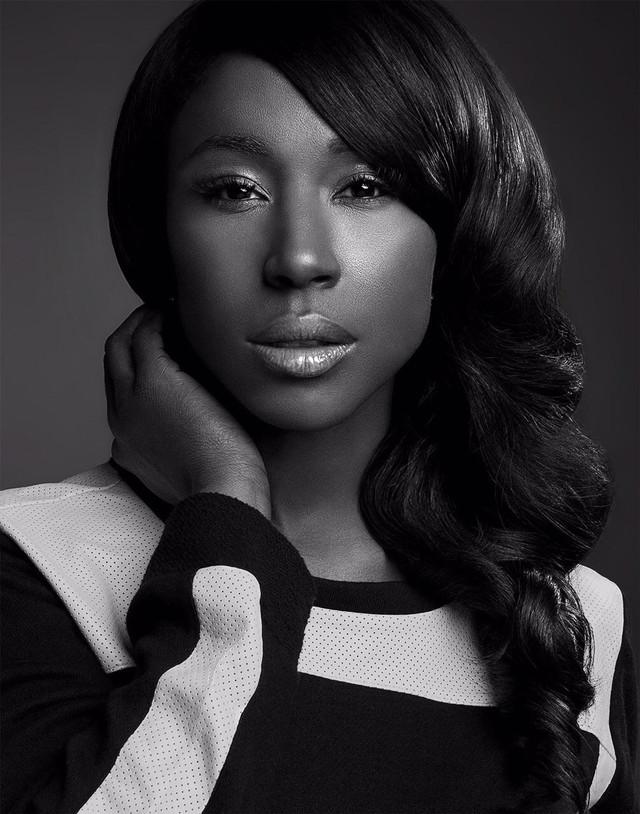
Tweet’s Spotify BioIn 2002, the successful duo of Missy Elliott and Timbaland presented soulful vocalist and songwriter Tweet (Charlene Keys), who had appeared on alongside Elliott on "Take Away" (a single also featuring Ginuwine from Miss E...So Addictive) and "X" (an album track from Ja Rule's Pain Is Love). Tweet's debut, Southern Hummingbird, featured production by Timbaland and vocals by Elliott, most notably on the lead single, "Oops (Oh My)." The single became an overnight hit, and a remix for the song featuring Fabolous garnered even more spins on urban radio, helping her cross over to the rap audience and setting the stage for her album's awaited release date. It's Me Again followed in 2005 and, like the debut, reached number two on the R&B chart, but it lacked staying power; its biggest single, "Turn da Lights Off," barely managed to scrape the R&B Top 40. After an unproductive stint with Umbrella Recordings, Tweet reappeared in 2013 with a low-key EP, Simply Tweet, and finally issued her third… album, Charlene, on the eOne label in 2016. ~ Jason Birchmeier, Rovi
Viberate is a music analytics platform built for A&Rs, artist managers, labels, booking agents, marketers, and artists.
It helps music professionals track artist growth, analyze audience data, monitor playlist activity, compare artists, follow song performance, and identify opportunities across the music market.
Public artist pages provide a free preview of selected artist data. Paid plans provide access to deeper analytics, historical data, charts, comparisons, playlist tools, exports, alerts, reports, and additional professional features.
Yes. Public Viberate artist pages provide selected artist analytics and music data for free.
Viberate also offers a 7-day free trial of the full platform. A credit card is required to start the trial. The trial includes access to the complete product so users can test deeper artist analytics, historical views, playlist insights, comparisons, charts, exports, alerts, and reporting features before choosing a paid plan.
Viberate provides artist analytics across streaming, playlists, social media, video, radio airplay, songs, and audience markets.
Users can analyze Spotify performance, Spotify and Apple Music playlists, YouTube activity, TikTok and Instagram growth, radio spins, song performance, audience locations, demographics, rankings, and overall artist momentum.
Artist profiles also connect to music charts, similar artists, and comparison tools, helping users benchmark performance and evaluate artists in context.
Viberate updates key artist and track data daily.
For followed artists and tracks, selected data is refreshed multiple times per day. This helps teams monitor playlist changes, streaming movement, audience growth, releases, and campaign performance with more current data.
Update frequency can vary depending on the metric and data source.
Yes. Viberate lets users compare up to five artists side by side across streaming, social media, audience, and engagement metrics.
Users can compare fanbase growth, audience demographics, locations, Spotify performance, social metrics, and other artist data over selected time periods.
Artist comparison can be used for A&R scouting, benchmarking, booking decisions, campaign planning, and evaluating artists with similar audiences or market positions.