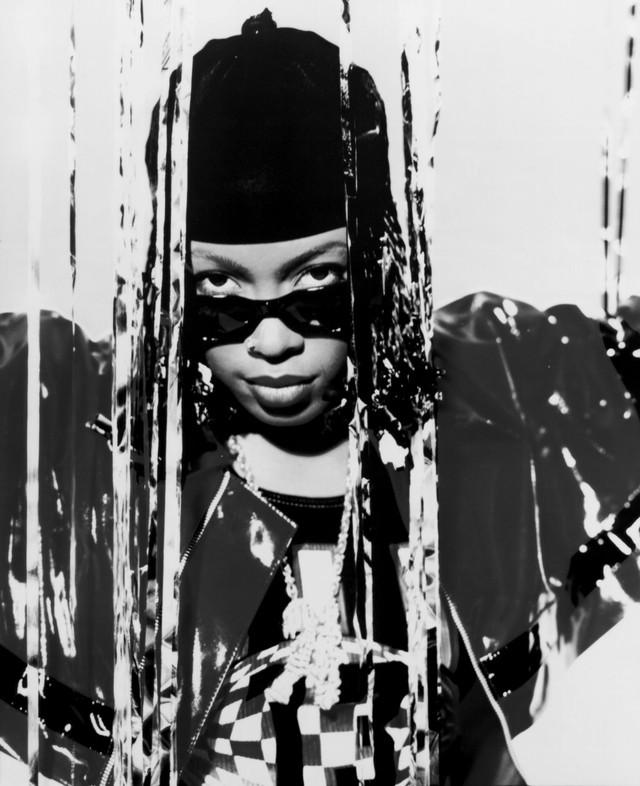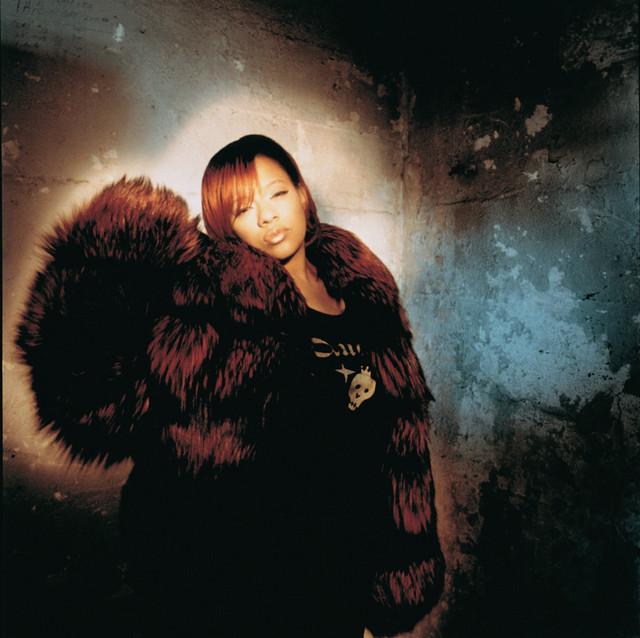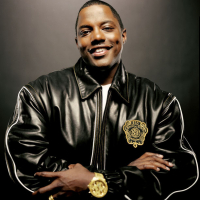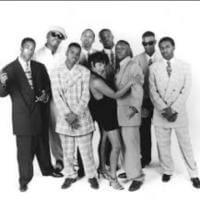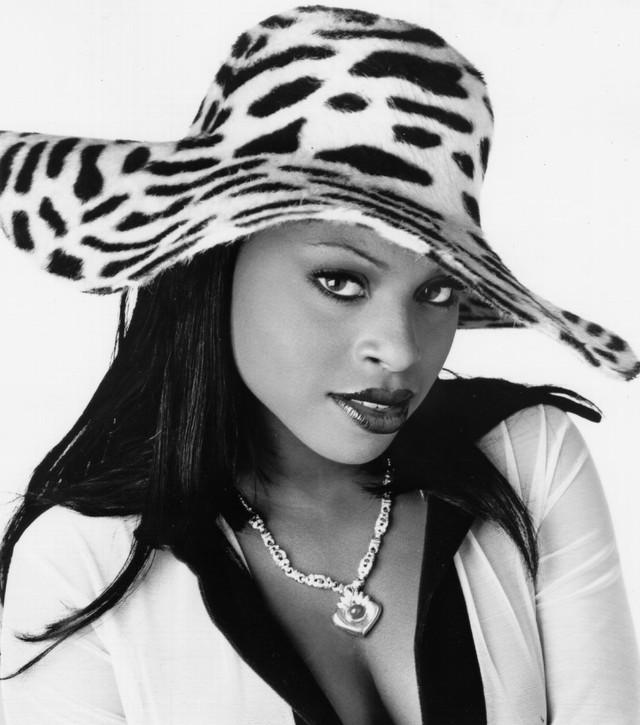
Foxy Brown

Hip Hop
Contemporary Hip Hop
 Viberate Rank: 15087
 Viberate Rank: 15087
 Monthly ListenersFollowers
 Subscribers
 Followers
 Followers
 FansTop Spotify Songs
| Track | 7-Day Streams | |
|---|---|---|
1 | 168.33K | |
2 | 156.44K | |
3 | 118.19K | |
4 | 94.23K | |
5 | 56.63K |
Top YouTube Videos| Video | 7-Day Views | |
|---|---|---|
1 | 139.79K | |
2 | 48.02K | |
3 | 39.48K | |
4 | 20.88K | |
5 | 14.00K |
Monthly ListenersFeatured in Playlists| Playlist | Followers | |
|---|---|---|
1 |  I Love My '90s Hip-Hop Spotify | 9.39M |
2 |  Gold School Spotify | 4.00M |
3 |  mid:nite storm Spotify | 1.00M |
4 |  Film & TV Favorites: 90s Black Cinema Spotify | 954.48K |
5 |  Old School Hip Hop Filtr Sweden | 779.30K |
Audience| City | Monthly Listeners | |
|---|---|---|
1 |  | 21.51K |
2 | | 16.98K |
3 | | 11.77K |
4 | | 11.15K |
5 |  | 10.39K |
See full performance history, audience data, playlist activity, rankings, comparisons, and more in Viberate music analytics. Start with a free trial, then continue with a paid plan.
Foxy Brown’s Spotify BioBefore she had released any material at all, Foxy Brown appeared on several 1995-1996 platinum singles, including her first credit, LL Cool J's "I Shot Ya," as well as Total's "No One Else" remix of Jay-Z's "Ain't No...," Toni Braxton's "You're Makin' Me High" remix, and Case's "Touch Me, Tease Me." The incredible success led to a major-label bidding war at the beginning of 1996, and by March, Brown had signed with the Def Jam label as another in the ranks of young and hard female rappers.
The Brooklyn native -- separate from a similarly named reggae artist -- was born in 1979; in 1994, while still a teenager, she won a talent contest in Brooklyn, and was invited to freestyle on-stage. At that time, Trackmasters were working on LL Cool J's Mr. Smith album, and they decided to let her rap over "I Shot Ya." The single became a hit, prompting Brown's work with Total, Braxton, and Case, as well as her induction into the Firm posse (led by Nas and also including AZ and Cormega). Brown's… debut album, Ill Na Na, was produced by Trackmasters, and featured appearances from Blackstreet, Method Man, and Kid Capri. It hit number seven its first week on the album charts. Chyna Doll (1999) Broken Silence (2001) followed, both of which reached the Top Five of the Billboard 200. A brief fling with Roc-A Fella did not amount to much, and throughout the early 2000s, Brown was in and out of the media spotlight for physical altercations. Her next release didn't materialize until May 2008: Brooklyn's Don Diva, issued through Koch. ~ John Bush, Rovi
Viberate is a music analytics platform built for A&Rs, artist managers, labels, booking agents, marketers, and artists.
It helps music professionals track artist growth, analyze audience data, monitor playlist activity, compare artists, follow song performance, and identify opportunities across the music market.
Public artist pages provide a free preview of selected artist data. Paid plans provide access to deeper analytics, historical data, charts, comparisons, playlist tools, exports, alerts, reports, and additional professional features.
Yes. Public Viberate artist pages provide selected artist analytics and music data for free.
Viberate also offers a 7-day free trial of the full platform. A credit card is required to start the trial. The trial includes access to the complete product so users can test deeper artist analytics, historical views, playlist insights, comparisons, charts, exports, alerts, and reporting features before choosing a paid plan.
Viberate provides artist analytics across streaming, playlists, social media, video, radio airplay, songs, and audience markets.
Users can analyze Spotify performance, Spotify and Apple Music playlists, YouTube activity, TikTok and Instagram growth, radio spins, song performance, audience locations, demographics, rankings, and overall artist momentum.
Artist profiles also connect to music charts, similar artists, and comparison tools, helping users benchmark performance and evaluate artists in context.
Viberate updates key artist and track data daily.
For followed artists and tracks, selected data is refreshed multiple times per day. This helps teams monitor playlist changes, streaming movement, audience growth, releases, and campaign performance with more current data.
Update frequency can vary depending on the metric and data source.
Yes. Viberate lets users compare up to five artists side by side across streaming, social media, audience, and engagement metrics.
Users can compare fanbase growth, audience demographics, locations, Spotify performance, social metrics, and other artist data over selected time periods.
Artist comparison can be used for A&R scouting, benchmarking, booking decisions, campaign planning, and evaluating artists with similar audiences or market positions.