Trummor & Orgel

Rock
Psychedelic Rock
Jazz Fusion
 Viberate Rank: 332794
 Viberate Rank: 332794
 Monthly ListenersFollowers
 Subscribers
 Followers
 Followers
 FansTop Spotify Songs
| Track | 7-Day Streams | |
|---|---|---|
1 | 551 | |
2 | 217 | |
3 | 123 | |
4 | 120 | |
5 | 81 |
Top YouTube VideosMonthly ListenersFeatured in Playlists| Playlist | Followers | |
|---|---|---|
1 | ☕️ Programming Johan | 49.69K |
2 |  Northern Soul Party Magnus Carlson | 7.61K |
3 |  Instrumental Progressive & Psychedelic Rock Jon Magnusson | 5.33K |
4 |  Crate Diggin' - Hip Hop Samples (266hr+) Yung Rando | 2.75K |
5 |  VOLA listens to (updated monthly) VOLA | 2.62K |
Audience| City | Monthly Listeners | |
|---|---|---|
1 | | 619 |
2 | | 273 |
3 | | 156 |
4 |  | 142 |
5 | | 102 |
See full performance history, audience data, playlist activity, rankings, comparisons, and more in Viberate music analytics. Start with a free trial, then continue with a paid plan.
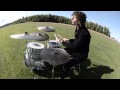
Trummor & Orgel’s Spotify BioThe instrumental drums/organ sibling duo has made its mark on the Swedish music scene since the formation back in 2003. Whether it is jazz-infused indie, electronic pop or cinematic ambient music, the duo has consistently charted their own unique path. Above all, Trummor & Orgel has built a reputation as being a brilliant and mind-blowing live act, showcased through their numerous acclaimed shows across Scandinavia and various parts of Europe.
During the career, Trummor & Orgel has worked musically with, among others, Ebbot Lundberg (The Soundtrack of Our Lives), Magnus Carlson (Weeping Willows) and Peter Morén (Peter, Bjorn and John), featured music in several TV shows and movies, received a Swedish Grammy nomination in the Jazz category and composed the score for a silent movie.
Trummor & Orgel is Anders Ljunggren (organ) and Staffan Ljunggren (drums).
Photo by Daniel Olsén and Bengt Wallman.
Viberate is a music analytics platform built for A&Rs, artist managers, labels, booking agents, marketers, and artists.
It helps music professionals track artist growth, analyze audience data, monitor playlist activity, compare artists, follow song performance, and identify opportunities across the music market.
Public artist pages provide a free preview of selected artist data. Paid plans provide access to deeper analytics, historical data, charts, comparisons, playlist tools, exports, alerts, reports, and additional professional features.
Yes. Public Viberate artist pages provide selected artist analytics and music data for free.
Viberate also offers a 7-day free trial of the full platform. A credit card is required to start the trial. The trial includes access to the complete product so users can test deeper artist analytics, historical views, playlist insights, comparisons, charts, exports, alerts, and reporting features before choosing a paid plan.
Viberate provides artist analytics across streaming, playlists, social media, video, radio airplay, songs, and audience markets.
Users can analyze Spotify performance, Spotify and Apple Music playlists, YouTube activity, TikTok and Instagram growth, radio spins, song performance, audience locations, demographics, rankings, and overall artist momentum.
Artist profiles also connect to music charts, similar artists, and comparison tools, helping users benchmark performance and evaluate artists in context.
Viberate updates key artist and track data daily.
For followed artists and tracks, selected data is refreshed multiple times per day. This helps teams monitor playlist changes, streaming movement, audience growth, releases, and campaign performance with more current data.
Update frequency can vary depending on the metric and data source.
Yes. Viberate lets users compare up to five artists side by side across streaming, social media, audience, and engagement metrics.
Users can compare fanbase growth, audience demographics, locations, Spotify performance, social metrics, and other artist data over selected time periods.
Artist comparison can be used for A&R scouting, benchmarking, booking decisions, campaign planning, and evaluating artists with similar audiences or market positions.