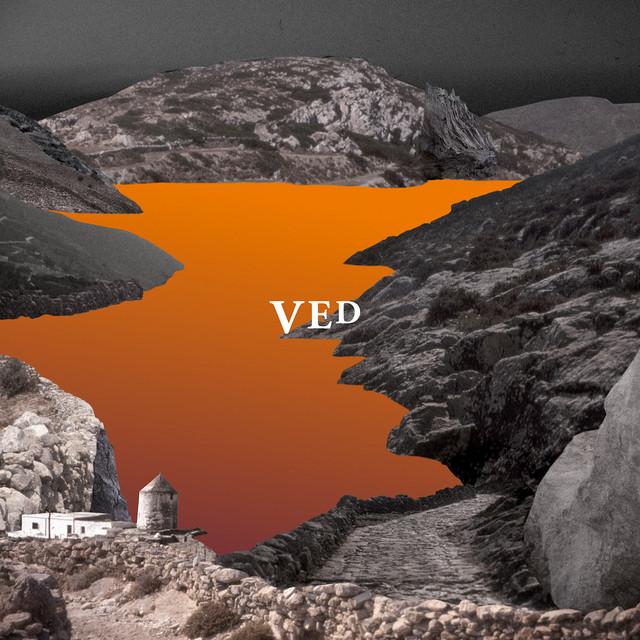
Eric Malmberg

Rock
Psychedelic Rock
Indie Pop
 Viberate Rank: 709152
 Viberate Rank: 709152
 Monthly ListenersFollowers
 Subscribers
 Followers
 Followers
 FansTop Spotify Songs
| Track | 7-Day Streams | |
|---|---|---|
1 | 55 | |
2 | 45 | |
3 | 23 | |
4 | 17 | |
5 | 12 |
Top YouTube VideosMonthly ListenersFeatured in Playlists| Playlist | Followers | |
|---|---|---|
1 |  Off Your Face anton newcombe | 5.86K |
2 |  Elektroniskt i P2 P2 Sveriges Radio | 2.74K |
3 | Snowboard Elias Ingebrand | 2.02K |
4 | we like what we like what we like Nick DiSalvo | 1.91K |
5 |  THE BLACK LODGE BERLIN PLAYLIST The Black Lodge | 1.31K |
Audience| City | Monthly Listeners | |
|---|---|---|
1 | | 54 |
2 | | 20 |
3 |  | 18 |
4 | | 15 |
5 |  | 10 |
See full performance history, audience data, playlist activity, rankings, comparisons, and more in Viberate music analytics. Start with a free trial, then continue with a paid plan.
Eric Malmberg’s Spotify BioAn idiosyncratic indie pop keyboardist whose trippy, reverb-laced Hammond organ-dominated compositions drew comparisons to the work of Hansson & Karlsson, Eric Malmberg gained recognition in the Swedish indie scene of the early 2000s both as a solo artist and as one half of the instrumental indie pop duo Sagor & Swing. He released his first album, Professor Huberts Underbara Uppfinning, in 1995 and went on to release two more albums during his stint in Sagor & Swing: 2000's Sju Melodier Och Ett Enda Långt Ljud and 2002's En Skattkista Längst Nere På Botten Av Ett Stort Hav. Following the 2004 breakup of the duo, Malmberg released his fourth solo album, 2005's Den Gåtfulla Människan (The Enigmatic Human), a concept album aimed at simulating a journey into the human psyche. Soon after the album came out, Malmberg's intense relationship to his music -- a relationship that he would attribute, at least in part, to an autistic spectrum disorder -- was explored in the Swedish documentary… Creative Illness. Malmberg's fifth full-length album, Verklighet & Beat, was released in 2007. ~ TiVo Staff, Rovi
Viberate is a music analytics platform built for A&Rs, artist managers, labels, booking agents, marketers, and artists.
It helps music professionals track artist growth, analyze audience data, monitor playlist activity, compare artists, follow song performance, and identify opportunities across the music market.
Public artist pages provide a free preview of selected artist data. Paid plans provide access to deeper analytics, historical data, charts, comparisons, playlist tools, exports, alerts, reports, and additional professional features.
Yes. Public Viberate artist pages provide selected artist analytics and music data for free.
Viberate also offers a 7-day free trial of the full platform. A credit card is required to start the trial. The trial includes access to the complete product so users can test deeper artist analytics, historical views, playlist insights, comparisons, charts, exports, alerts, and reporting features before choosing a paid plan.
Viberate provides artist analytics across streaming, playlists, social media, video, radio airplay, songs, and audience markets.
Users can analyze Spotify performance, Spotify and Apple Music playlists, YouTube activity, TikTok and Instagram growth, radio spins, song performance, audience locations, demographics, rankings, and overall artist momentum.
Artist profiles also connect to music charts, similar artists, and comparison tools, helping users benchmark performance and evaluate artists in context.
Viberate updates key artist and track data daily.
For followed artists and tracks, selected data is refreshed multiple times per day. This helps teams monitor playlist changes, streaming movement, audience growth, releases, and campaign performance with more current data.
Update frequency can vary depending on the metric and data source.
Yes. Viberate lets users compare up to five artists side by side across streaming, social media, audience, and engagement metrics.
Users can compare fanbase growth, audience demographics, locations, Spotify performance, social metrics, and other artist data over selected time periods.
Artist comparison can be used for A&R scouting, benchmarking, booking decisions, campaign planning, and evaluating artists with similar audiences or market positions.