Tristram Cary

Electronic
Other Electronic Music
 Viberate Rank: 443572
 Viberate Rank: 443572
 Monthly ListenersFollowers
 Subscribers
 Followers
 Followers
 FansTop Spotify Songs
| Track | 7-Day Streams | |
|---|---|---|
1 | 1.23K | |
2 | 50 | |
3 | 46 | |
4 | 39 | |
5 | 27 |
Top YouTube VideosMonthly ListenersFeatured in Playlists| Playlist | Followers | |
|---|---|---|
1 | TV theme tunes Leah Webster | 9.65K |
2 | Audiobooks, radio plays, short stories, pœtry, comedy & spoken word ultravellocet | 8.56K |
3 |  OUTSIDER MUSIC MILHAAUS | 7.76K |
4 |  Doctor Who Themes 1963-2023 Red 5 | 4.88K |
5 |  The Sound of Hauntology The Sounds of Spotify | 4.07K |
Audience| City | Monthly Listeners | |
|---|---|---|
1 |  | 130 |
2 | | 93 |
3 | | 74 |
4 | | 62 |
5 | | 49 |
See full performance history, audience data, playlist activity, rankings, comparisons, and more in Viberate music analytics. Start with a free trial, then continue with a paid plan.
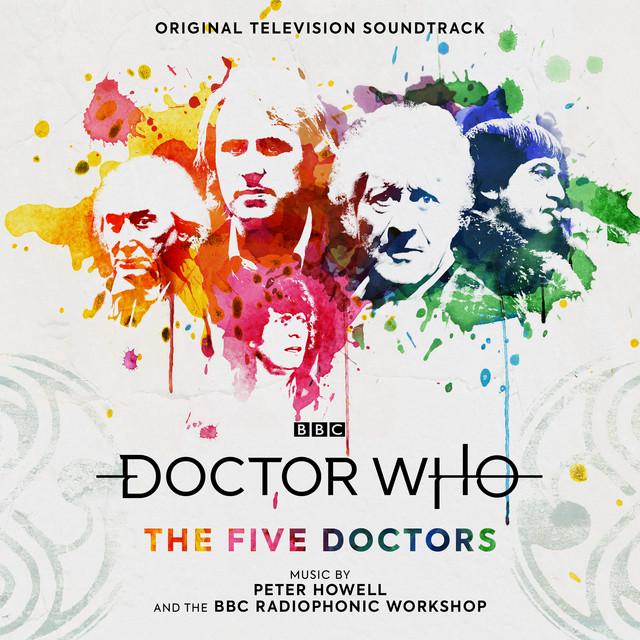
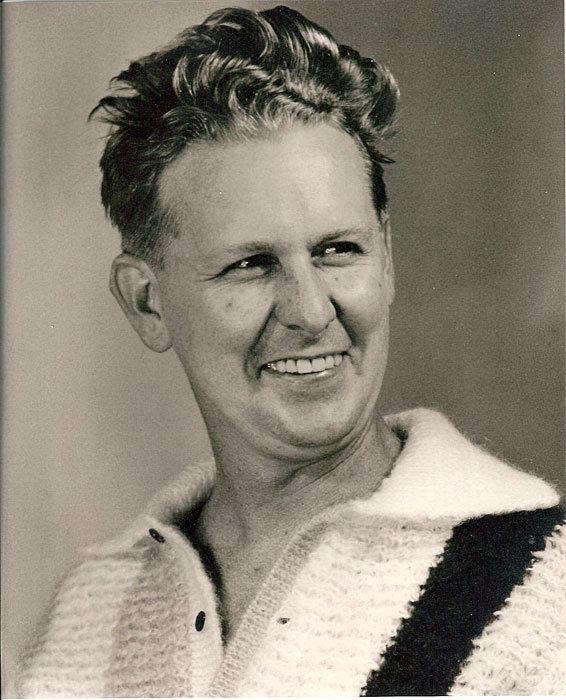
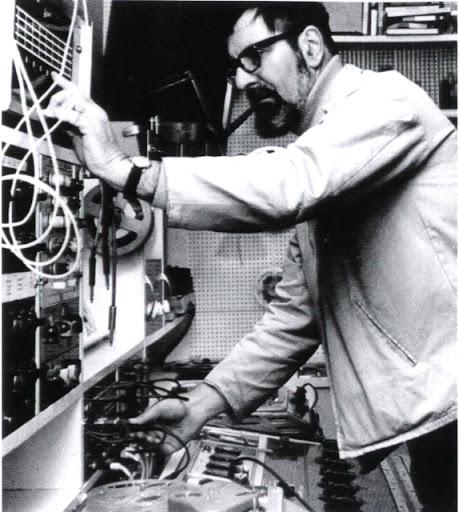
Tristram Cary’s Spotify BioElectronic music pioneer Tristram Cary drew on his background as a World War II naval radar engineer to create a sprawling body of sound and tape manipulations spanning from film scores to concert pieces. As founding director of Electronic Music Studios, he also helped to design the VCS3 portable synthesizer, immortalized by Pink Floyd on their seminal 1973 album The Dark Side of the Moon. Born in Oxford, England, on May 14, 1925, Cary was the third son of novelist Joyce Cary, best remembered for the classics Mister Johnson and The Horse's Mouth. While attending Westminster School, he befriended classmates Michael Flanders and Donald Swann, who went on to enjoy a long-running collaboration in the two-man musical comedy revue At the Drop of a Hat. While attending Trinity College of Music, Cary enlisted in the Royal Navy, and while a radar engineer he immersed himself in electronics studies, intuitively grasping the potential for magnetic tape to not only reproduce but also create music.… After demobilization in late 1946, he mounted his first full-fledged tape experiments while studying piano, horn, viola, and composition, funding his first electronic studio on a combination of teaching gigs and other part-time jobs. Cary's earliest completed works nevertheless embraced the more conventional chamber music idiom, and only in 1954 did he earn his first paid commission, scoring the BBC radio production The Saint and the Sinner.
Score commissions quickly supplanted odd jobs as Cary's primary means of financial support, and in 1955 filmmaker Alexander Mackendrick -- like the composer a fixture at the Fulham Road pub Fringes -- assigned him his breakthrough effort, the now-classic Ealing comedy The Ladykillers. Cary's original score deftly integrated elements of the Boccherini string quintet so central to the film's plot and brought him much attention from the British film and drama community, and he was hired to write for the Old Vic and other theaters. While most assignments demanded traditional scores, with the 1958 animated effort The Little Island he wed orchestra and electronics, and in 1963 he was invited to score several episodes of the BBC sci-fi series Doctor Who, a program widely cited as a milestone in the creative and commercial evolution of electronic music. In 1967 Cary co-founded the Royal College of Music electronic music studio, the first of its kind in Britain, and concurrently designed and built his own home studio, recognized as one of the largest private studios in the world; that same year, he also created a sound environment for the different sections of the British industrial pavilion at Montreal's Expo '67, and found time to score the cult classic Hammer horror film Quatermass and the Pit. With 1968's Narcissus, Cary channeled his growing frustrations with the contextual limitations of pre-recorded music into a composition written for flutist and tape operator, each reflecting and reinventing the other's performance.
Cary teamed with designers David Cockerell and Dr. Peter Zinovieff to create the VCS3 synthesizer -- introduced by their Electronic Music Studios firm in 1969, the instrument was later featured on dozens of pop and electronic recordings by acts ranging from Roxy Music to Tangerine Dream and Jean Michel Jarre, but it enjoyed its greatest influence via Pink Floyd, who also employed it on LPs including Animals and Wish You Were Here. In 1972 Cary was commissioned by Italian industrial design Olivetti to compose a piece based on the noises of their office equipment: the resulting Divertimento remains one of his signature efforts, employing 16 vocalists, a jazz drummer, and myriad Olivetti brand machines. Soon after Cary relocated to Australia to teach music at Adelaide University, transporting all of his studio equipment with him -- he held a series of posts with the school before resigning in 1986 to return full-time to composing and recording, later creating a series of concert suites based on his earlier film scores. Cary additionally spent several years researching and writing the 1992 book The Illustrated Compendium of Musical Technology, and regularly reviewed concerts and opera for the newspaper The Australian. Awarded the Medal of the Order of Australia in 1991 for his services to Australian music, Cary was also commissioned to compose the autobiographical orchestral piece Scenes from a Life for the Symphony Australia in honor of his 75th birthday. He died in Adelaide on April 24, 2008. ~ Jason Ankeny, Rovi
Viberate is a music analytics platform built for A&Rs, artist managers, labels, booking agents, marketers, and artists.
It helps music professionals track artist growth, analyze audience data, monitor playlist activity, compare artists, follow song performance, and identify opportunities across the music market.
Public artist pages provide a free preview of selected artist data. Paid plans provide access to deeper analytics, historical data, charts, comparisons, playlist tools, exports, alerts, reports, and additional professional features.
Yes. Public Viberate artist pages provide selected artist analytics and music data for free.
Viberate also offers a 7-day free trial of the full platform. A credit card is required to start the trial. The trial includes access to the complete product so users can test deeper artist analytics, historical views, playlist insights, comparisons, charts, exports, alerts, and reporting features before choosing a paid plan.
Viberate provides artist analytics across streaming, playlists, social media, video, radio airplay, songs, and audience markets.
Users can analyze Spotify performance, Spotify and Apple Music playlists, YouTube activity, TikTok and Instagram growth, radio spins, song performance, audience locations, demographics, rankings, and overall artist momentum.
Artist profiles also connect to music charts, similar artists, and comparison tools, helping users benchmark performance and evaluate artists in context.
Viberate updates key artist and track data daily.
For followed artists and tracks, selected data is refreshed multiple times per day. This helps teams monitor playlist changes, streaming movement, audience growth, releases, and campaign performance with more current data.
Update frequency can vary depending on the metric and data source.
Yes. Viberate lets users compare up to five artists side by side across streaming, social media, audience, and engagement metrics.
Users can compare fanbase growth, audience demographics, locations, Spotify performance, social metrics, and other artist data over selected time periods.
Artist comparison can be used for A&R scouting, benchmarking, booking decisions, campaign planning, and evaluating artists with similar audiences or market positions.