Traumatomy

Metal
Death Metal
Grindcore
 Viberate Rank: 227500
 Viberate Rank: 227500
 Monthly ListenersFollowers
 Subscribers
 Followers
 Followers
 FansTop Spotify Songs
| Track | 7-Day Streams | |
|---|---|---|
1 | 4.24K | |
2 | 815 | |
3 | 605 | |
4 | 598 | |
5 | 596 |
Top YouTube VideosMonthly ListenersFeatured in Playlists| Playlist | Followers | |
|---|---|---|
1 | REAL SLAM DEATH METAL Fabien EphKa | 25.51K |
2 | BRUTAL DEATH METAL / SLAM / GOREGRIND dkdogukandk🇺🇸 | 19.24K |
3 | Slamming Brutal Death Metal Tyler Wing | 15.35K |
4 |  PIGSQUEAL MOTHERNATURE PIG SQUEAL | 5.69K |
5 |  Slam metal Midwestern Tea | 4.26K |
Audience| City | Monthly Listeners | |
|---|---|---|
1 |  | 293 |
2 | | 257 |
3 | | 250 |
4 | | 240 |
5 | | 213 |
See full performance history, audience data, playlist activity, rankings, comparisons, and more in Viberate music analytics. Start with a free trial, then continue with a paid plan.
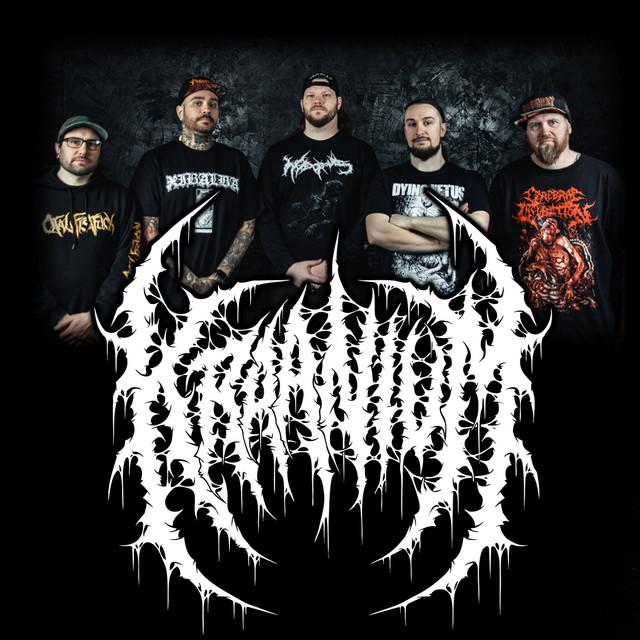
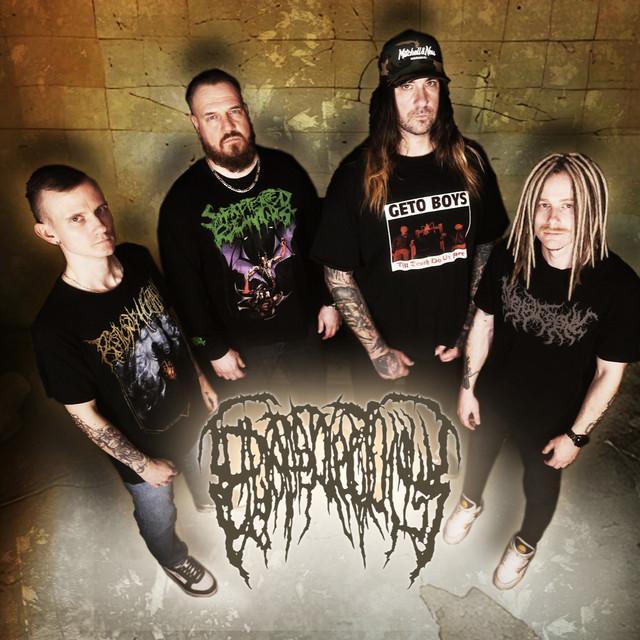
Traumatomy’s Spotify BioTraumatomy is a Slamming Brutal Death Metal band from Russia/Japan. The band’s current lineup includes Chevardin Konstantin (guitar), Belov Alex (drums), Kosov Boris (bass), Haruka Kamiyama (studio vocalist) and Arsen Arzumaniyan (live vocalist).
The band was founded in November 2012 by guitarist Chevardin Konstantin (Disfigurement of Flesh/Morphogenetic Malformation/session guitars in Decomposition of entrails) and vocalist Haruka Kamiyama (Gorevent/Medic Vomiting Pus). After one year work the German label Morbid Generation Records released debut album “Transcendental Evisceration of Necrogenetic Beasts” which was very well appreciated by brutal heads from all over world.
Two years later a second full-length album “Monolith Of Absolute Suffering” was released by Morbid Generation Records. In November 2017 Belov Alex (drums), Kosov Boris (bass) and Arsen Arzumaniyan (live vocalist) joined the band to start actively playing shows.
In 2019, Arsen leaves the project, and Kirill Zarubin… (Slamurai, ex. Depths Of Black) takes his place.
In two years the band held three Europe tours, four Russia tours and one Asia tour and participate in shows like Slamming Brutality Fest, Nice to Eat You Deathfest, Deathfeast Open Air, Holsteiner Death Fest and more. The band is currently writing a new album and is actively playing shows.
Official Distributor: "RUMF Productions"
Viberate is a music analytics platform built for A&Rs, artist managers, labels, booking agents, marketers, and artists.
It helps music professionals track artist growth, analyze audience data, monitor playlist activity, compare artists, follow song performance, and identify opportunities across the music market.
Public artist pages provide a free preview of selected artist data. Paid plans provide access to deeper analytics, historical data, charts, comparisons, playlist tools, exports, alerts, reports, and additional professional features.
Yes. Public Viberate artist pages provide selected artist analytics and music data for free.
Viberate also offers a 7-day free trial of the full platform. A credit card is required to start the trial. The trial includes access to the complete product so users can test deeper artist analytics, historical views, playlist insights, comparisons, charts, exports, alerts, and reporting features before choosing a paid plan.
Viberate provides artist analytics across streaming, playlists, social media, video, radio airplay, songs, and audience markets.
Users can analyze Spotify performance, Spotify and Apple Music playlists, YouTube activity, TikTok and Instagram growth, radio spins, song performance, audience locations, demographics, rankings, and overall artist momentum.
Artist profiles also connect to music charts, similar artists, and comparison tools, helping users benchmark performance and evaluate artists in context.
Viberate updates key artist and track data daily.
For followed artists and tracks, selected data is refreshed multiple times per day. This helps teams monitor playlist changes, streaming movement, audience growth, releases, and campaign performance with more current data.
Update frequency can vary depending on the metric and data source.
Yes. Viberate lets users compare up to five artists side by side across streaming, social media, audience, and engagement metrics.
Users can compare fanbase growth, audience demographics, locations, Spotify performance, social metrics, and other artist data over selected time periods.
Artist comparison can be used for A&R scouting, benchmarking, booking decisions, campaign planning, and evaluating artists with similar audiences or market positions.