Toxik


Metal
Thrash Metal
Speed Metal
 Viberate Rank: 128711
 Viberate Rank: 128711
 Monthly ListenersFollowers
 Subscribers
 Followers
 Followers
 FansTop Spotify Songs
| Track | 7-Day Streams | |
|---|---|---|
1 | 3.34K | |
2 | 1.53K | |
3 | 1.42K | |
4 | 573 | |
5 | 457 |
Top YouTube Videos| Video | 7-Day Views | |
|---|---|---|
1 | 335 | |
2 | 133 | |
3 | 123 | |
4 | 107 | |
5 | 84 |
Monthly ListenersFeatured in Playlists| Playlist | Followers | |
|---|---|---|
1 |  Thrashers Spotify | 586.86K |
2 |  The Sound of Everything The Sounds of Spotify | 53.81K |
3 |  Keep calm and listen trash metal 🤟😛 rockpepper-br | 12.20K |
4 | Heavy Metal Ballads Kenneth Eriksen | 12.16K |
5 |  SPEED METAL ATTACK electric_warfare | 10.40K |
Audience| City | Monthly Listeners | |
|---|---|---|
1 |  | 549 |
2 |  | 337 |
3 |  | 308 |
4 |  | 266 |
5 | | 225 |
See full performance history, audience data, playlist activity, rankings, comparisons, and more in Viberate music analytics. Start with a free trial, then continue with a paid plan.
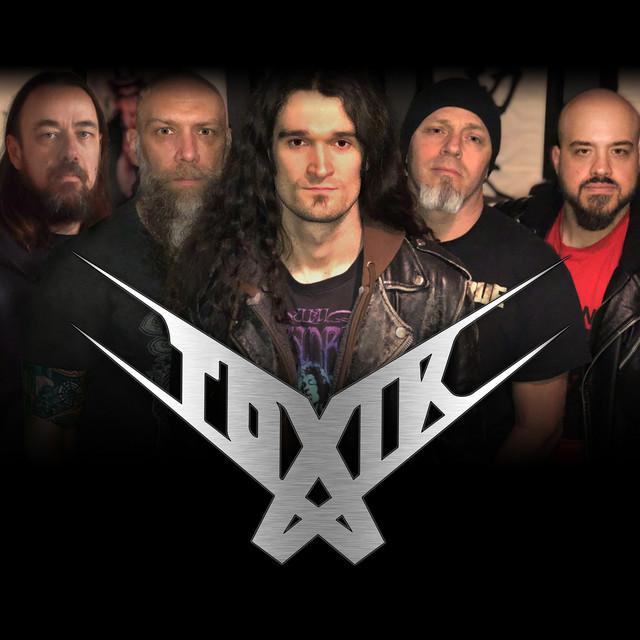
Toxik’s Spotify BioToxik originally formed in 1985 and were active until 1992, a period in which they put out their two seminal thrash metal albums: World Circus (1987) and Think This (1989).
In 2013, the thrash metal veterans made their return to the world stage—playing renowned metal festivals like Dynamo, Keep It True, Alcatraz, and Headbangers Open Air.
In 2017, Toxik released the long-awaited EP Breaking Class, featuring a reunion with their Think This-era vocalist Charlie Sabin. 2018 marked the release of their box set, III Works, comprising three discs: 2014's In Humanity recording sessions with original Toxik singer Mike Sanders, an expanded version of the 2017 Breaking Class EP with three additional tracks, and an all-new disc from 2018 titled Kinetic Closure. Kinetic Closure features eight re-recorded Toxik classics from their two groundbreaking albums, plus two new original tracks.
The album also introduced vocalist Ron Iglesias into the Toxik fold. Founding member and lead guitarist Josh… Christian, drummer James Demaria, and bass player Shane Boulos round out the current lineup. Toxik is actively touring the globe and hard at work on new music.
(All photos by Henk Brouwer)
Viberate is a music analytics platform built for A&Rs, artist managers, labels, booking agents, marketers, and artists.
It helps music professionals track artist growth, analyze audience data, monitor playlist activity, compare artists, follow song performance, and identify opportunities across the music market.
Public artist pages provide a free preview of selected artist data. Paid plans provide access to deeper analytics, historical data, charts, comparisons, playlist tools, exports, alerts, reports, and additional professional features.
Yes. Public Viberate artist pages provide selected artist analytics and music data for free.
Viberate also offers a 7-day free trial of the full platform. A credit card is required to start the trial. The trial includes access to the complete product so users can test deeper artist analytics, historical views, playlist insights, comparisons, charts, exports, alerts, and reporting features before choosing a paid plan.
Viberate provides artist analytics across streaming, playlists, social media, video, radio airplay, songs, and audience markets.
Users can analyze Spotify performance, Spotify and Apple Music playlists, YouTube activity, TikTok and Instagram growth, radio spins, song performance, audience locations, demographics, rankings, and overall artist momentum.
Artist profiles also connect to music charts, similar artists, and comparison tools, helping users benchmark performance and evaluate artists in context.
Viberate updates key artist and track data daily.
For followed artists and tracks, selected data is refreshed multiple times per day. This helps teams monitor playlist changes, streaming movement, audience growth, releases, and campaign performance with more current data.
Update frequency can vary depending on the metric and data source.
Yes. Viberate lets users compare up to five artists side by side across streaming, social media, audience, and engagement metrics.
Users can compare fanbase growth, audience demographics, locations, Spotify performance, social metrics, and other artist data over selected time periods.
Artist comparison can be used for A&R scouting, benchmarking, booking decisions, campaign planning, and evaluating artists with similar audiences or market positions.