Total

R&B
Contemporary R&B
Mainstream Pop
 Viberate Rank: 21017
 Viberate Rank: 21017
 Monthly ListenersFollowers
 Subscribers
 Followers
 Followers
 FansTop Spotify Songs
| Track | 7-Day Streams | |
|---|---|---|
1 | 569.06K | |
2 | 157.97K | |
3 | 47.99K | |
4 | 47.40K | |
5 | 37.09K |
Top YouTube Videos| Video | 7-Day Views | |
|---|---|---|
1 | 192.99K | |
2 | 111.59K | |
3 | 17.90K | |
4 | 9.97K | |
5 | 8.87K |
Monthly ListenersFeatured in Playlists| Playlist | Followers | |
|---|---|---|
1 |  I Love My '90s Hip-Hop Spotify | 9.39M |
2 |  Love Deluxe Spotify | 2.53M |
3 |  mid:nite storm Spotify | 1.00M |
4 |  90's Hip Hop Don't Stop Topsify US | 484.05K |
5 |  I Love My East Coast Classics Spotify | 450.60K |
Audience| City | Monthly Listeners | |
|---|---|---|
1 | | 18.50K |
2 | | 18.46K |
3 |  | 17.10K |
4 | | 16.30K |
5 | | 15.18K |
See full performance history, audience data, playlist activity, rankings, comparisons, and more in Viberate music analytics. Start with a free trial, then continue with a paid plan.
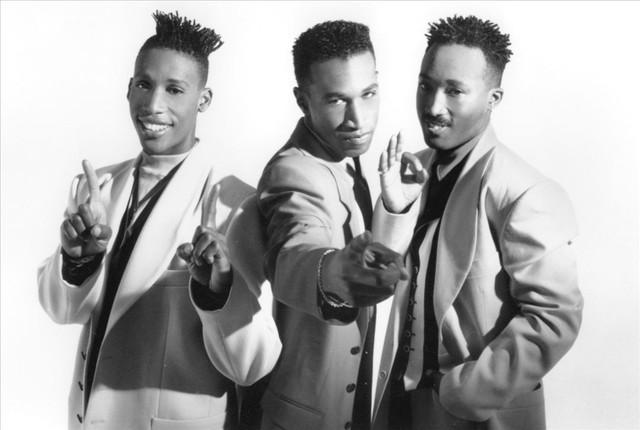
Total’s Spotify BioTotal, an American R&B girl group from the mid-'90s, is best known for their sultry harmonies and distinctively smooth sound. Consisting of members Kima Raynor, Pam Long, and Keisha Spivey, the trio first gained attention with their appearance on the Notorious B.I.G.'s debut album, "Ready to Die," providing background vocals for the hit "Juicy." Signed to Sean "Diddy" Combs' Bad Boy Records, Total quickly carved out a niche for themselves in the music industry, blending streetwise grit with sophisticated soul. Their self-titled debut album, released in 1996, spawned hits like "Can't You See" featuring The Notorious B.I.G., and "Kissing You," which showcased their vocal chemistry and sleek production.
Total's follow-up album, "Kima, Keisha, and Pam," released in 1998, solidified their place in R&B with tracks like "Trippin'" featuring Missy Elliott and "Sitting Home." Known for their seamless integration of hip-hop and R&B, the group collaborated with numerous artists from the Bad Boy… family and beyond, making them a key part of the label's golden era. Though their run was brief, Total's impact on '90s R&B remains significant, with their music continuing to influence new generations of artists. I verify 821430017082.
Viberate is a music analytics platform built for A&Rs, artist managers, labels, booking agents, marketers, and artists.
It helps music professionals track artist growth, analyze audience data, monitor playlist activity, compare artists, follow song performance, and identify opportunities across the music market.
Public artist pages provide a free preview of selected artist data. Paid plans provide access to deeper analytics, historical data, charts, comparisons, playlist tools, exports, alerts, reports, and additional professional features.
Yes. Public Viberate artist pages provide selected artist analytics and music data for free.
Viberate also offers a 7-day free trial of the full platform. A credit card is required to start the trial. The trial includes access to the complete product so users can test deeper artist analytics, historical views, playlist insights, comparisons, charts, exports, alerts, and reporting features before choosing a paid plan.
Viberate provides artist analytics across streaming, playlists, social media, video, radio airplay, songs, and audience markets.
Users can analyze Spotify performance, Spotify and Apple Music playlists, YouTube activity, TikTok and Instagram growth, radio spins, song performance, audience locations, demographics, rankings, and overall artist momentum.
Artist profiles also connect to music charts, similar artists, and comparison tools, helping users benchmark performance and evaluate artists in context.
Viberate updates key artist and track data daily.
For followed artists and tracks, selected data is refreshed multiple times per day. This helps teams monitor playlist changes, streaming movement, audience growth, releases, and campaign performance with more current data.
Update frequency can vary depending on the metric and data source.
Yes. Viberate lets users compare up to five artists side by side across streaming, social media, audience, and engagement metrics.
Users can compare fanbase growth, audience demographics, locations, Spotify performance, social metrics, and other artist data over selected time periods.
Artist comparison can be used for A&R scouting, benchmarking, booking decisions, campaign planning, and evaluating artists with similar audiences or market positions.