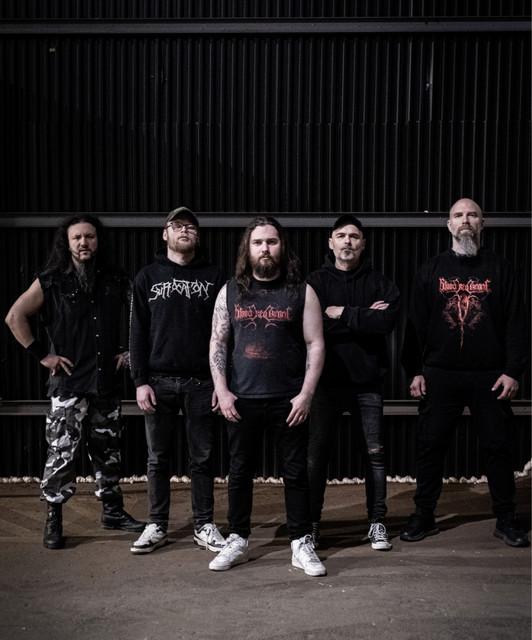
Torture Killer

Metal
Death Metal
 Viberate Rank: 211157
 Viberate Rank: 211157
 Monthly ListenersFollowers
 Subscribers
 Followers
 Followers
 FansTop Spotify Songs
| Track | 7-Day Streams | |
|---|---|---|
1 | 1.95K | |
2 | 1.29K | |
3 | 899 | |
4 | 732 | |
5 | 662 |
Top YouTube VideosMonthly ListenersFeatured in Playlists| Playlist | Followers | |
|---|---|---|
1 |  Finnish metal Wolfheart | 6.32K |
2 | Brutal Metal Simon Wernér | 2.92K |
3 | DEATH METAL/GRINDCORE/BLACK METAL/DOOM DEATH ++ Tokes | 2.81K |
4 |  New Wave of Old School Death Metal @MansenSankari | 2.54K |
5 |  Metal Massacre I-XIV (1982-2016) The K-tel UK Vinyl Years 1972-90 | 2.16K |
Audience| City | Monthly Listeners | |
|---|---|---|
1 | | 224 |
2 |  | 158 |
3 |  | 145 |
4 |  | 139 |
5 |  | 111 |
See full performance history, audience data, playlist activity, rankings, comparisons, and more in Viberate music analytics. Start with a free trial, then continue with a paid plan.
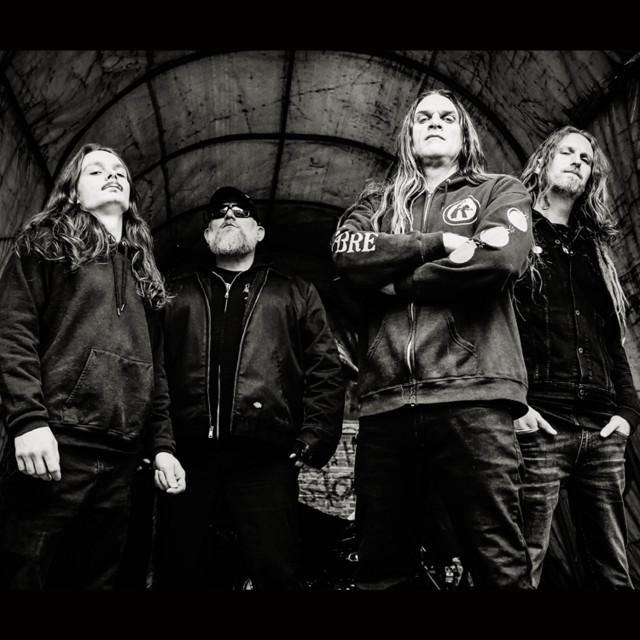
Torture Killer’s Spotify BioWhen one sees song titles like "Fuck Them When They Bleed," "Cannibal Gluttony," "A Violent Scene of Death," and "Day of Cadavers," it is safe to assume that the band in question is providing death metal -- and death metal has indeed been the focus of Finland's Torture Killer, who have been responsible for all of those song titles as well as others that are equally grindcore-ish. Known for gross-out lyrics dealing with things like cannibalism, mutilation, and dismemberment, Torture Killer has thrived on shock value. But they have done it in a very ironic way, and their albums have been an exercise in dark humor more than anything. Lyrically, Torture Killer gets a lot of inspiration from early-‘90s grindcore bands like Cannibal Corpse, Carcass, and Cancer, but musically, they have never been a grindcore band in the strict sense. Rather, Torture Killer's work has combined death metal elements (including the stereotypical "Cookie Monster" growling vocals) with elements of thrash metal.
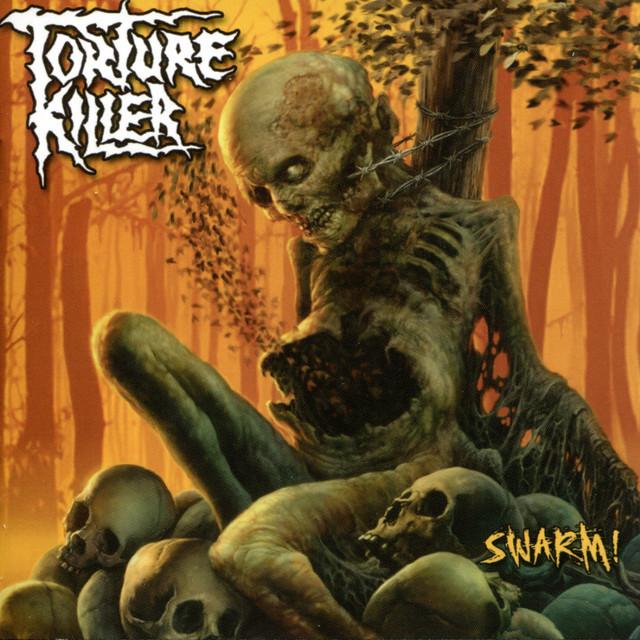
For…med in Turku, Finland in 2002, Torture Killer started out as a cover band and played songs by Six Feet Under and Obituary. In fact, the name Torture Killer was inspired by a Six Feet Under song. But the Finns soon began writing original material, and their first full-length album, For Maggots to Devour, was recorded in early 2003 and released by Karmageddon Media. Two years later, the band was approached by American singer Chris Barnes, leader of Six Feet Under and the former lead singer of Cannibal Corpse. Torture Killer was experiencing lineup problems in 2005 -- which is hardly uncommon in the death metal/black metal fields -- and Barnes ended up becoming Torture Killer's new lead singer, although he continued to lead Six Feet Under and divided his time between the two bands for a few years. In 2005, Torture Killer signed with Metal Blade, which released their second full-length album, Swarm!, in 2006; in addition to singing lead on that album, Barnes wrote more than half the songs. In early 2008, Barnes announced that he was leaving Torture Killer, and Juri Sallinen was hired as his replacement. In March 2008, Torture Killer's lineup included Sallinen (who has also been with the bands Krypta, Ghost Realm, Funeral Feast, Occult Astral, and Wormfarm) on lead vocals, Tuomas Karppinen and Jari Laine (formerly of Crimson Midwinter) on guitar, Kim Torniainen on bass, and Tuomo Latvala (formerly of Hellbox and Torn) on drums. ~ Alex Henderson, Rovi
Viberate is a music analytics platform built for A&Rs, artist managers, labels, booking agents, marketers, and artists.
It helps music professionals track artist growth, analyze audience data, monitor playlist activity, compare artists, follow song performance, and identify opportunities across the music market.
Public artist pages provide a free preview of selected artist data. Paid plans provide access to deeper analytics, historical data, charts, comparisons, playlist tools, exports, alerts, reports, and additional professional features.
Yes. Public Viberate artist pages provide selected artist analytics and music data for free.
Viberate also offers a 7-day free trial of the full platform. A credit card is required to start the trial. The trial includes access to the complete product so users can test deeper artist analytics, historical views, playlist insights, comparisons, charts, exports, alerts, and reporting features before choosing a paid plan.
Viberate provides artist analytics across streaming, playlists, social media, video, radio airplay, songs, and audience markets.
Users can analyze Spotify performance, Spotify and Apple Music playlists, YouTube activity, TikTok and Instagram growth, radio spins, song performance, audience locations, demographics, rankings, and overall artist momentum.
Artist profiles also connect to music charts, similar artists, and comparison tools, helping users benchmark performance and evaluate artists in context.
Viberate updates key artist and track data daily.
For followed artists and tracks, selected data is refreshed multiple times per day. This helps teams monitor playlist changes, streaming movement, audience growth, releases, and campaign performance with more current data.
Update frequency can vary depending on the metric and data source.
Yes. Viberate lets users compare up to five artists side by side across streaming, social media, audience, and engagement metrics.
Users can compare fanbase growth, audience demographics, locations, Spotify performance, social metrics, and other artist data over selected time periods.
Artist comparison can be used for A&R scouting, benchmarking, booking decisions, campaign planning, and evaluating artists with similar audiences or market positions.