Blood Red Throne

Metal
Death Metal
 Viberate Rank: 97869
 Viberate Rank: 97869
 Monthly ListenersFollowers
 Subscribers
 Followers
 Followers
 FansTop Spotify Songs
| Track | 7-Day Streams | |
|---|---|---|
1 | 1.53K | |
2 | 1.40K | |
3 | 1.39K | |
4 | 733 | |
5 | 593 |
Top YouTube VideosMonthly ListenersFeatured in Playlists| Playlist | Followers | |
|---|---|---|
1 |  Brutal Death Metal firatkaya90 | 170.40K |
2 |  The Sound of Everything The Sounds of Spotify | 53.82K |
3 | Metal🤘🏻 Naydil González | 16.45K |
4 |  Death Metal Old School Stéphane Loisal | 12.91K |
5 |  TONS OF ROCK 2026 - Official Playlist Tons of Rock | 11.82K |
Audience| City | Monthly Listeners | |
|---|---|---|
1 |  | 325 |
2 | | 249 |
3 |  | 205 |
4 |  | 189 |
5 |  | 181 |
See full performance history, audience data, playlist activity, rankings, comparisons, and more in Viberate music analytics. Start with a free trial, then continue with a paid plan.
Blood Red Throne’s Spotify BioBLOOD RED THRONE
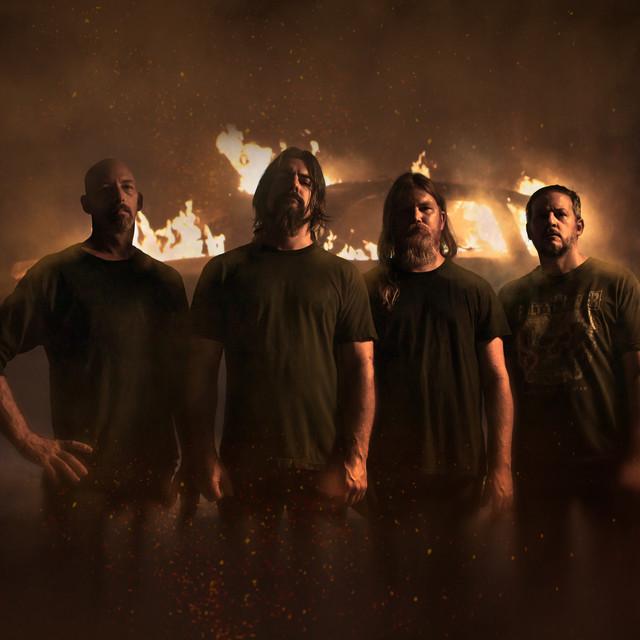
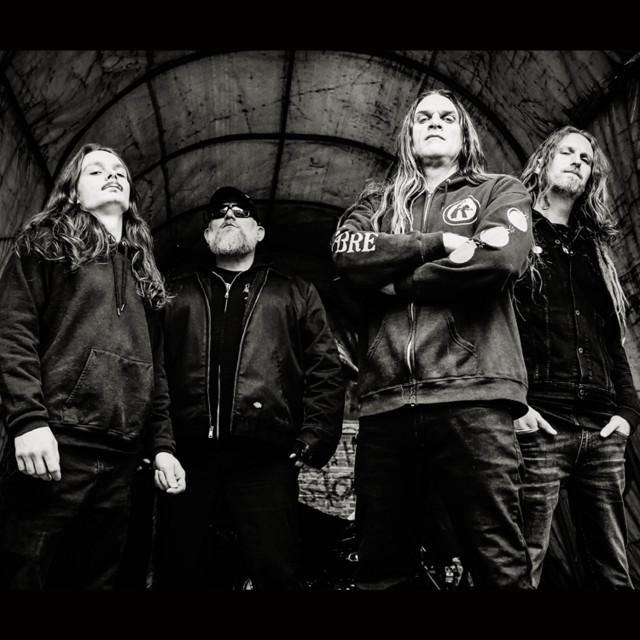
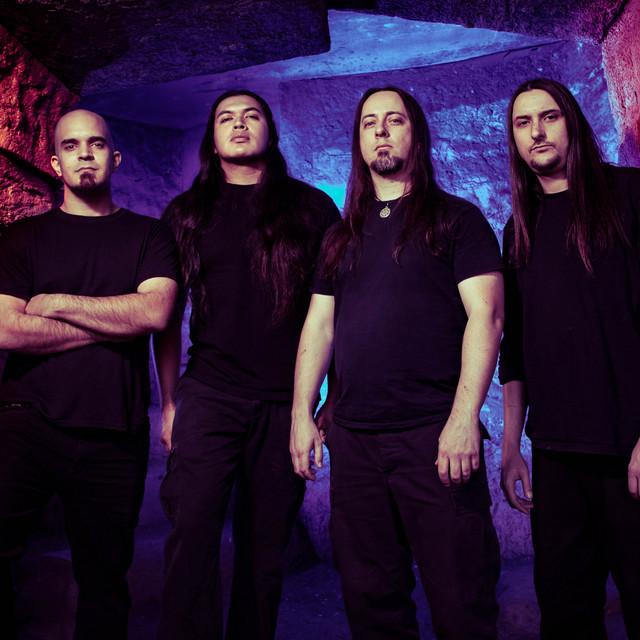
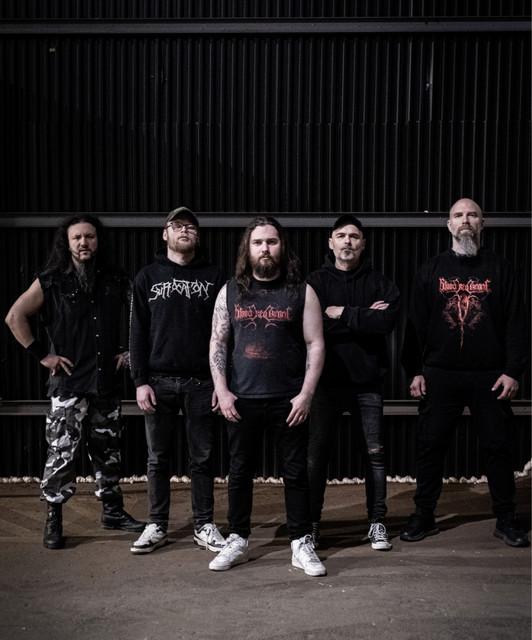
was started by still remaining member, Daniel "Død" Olaisen (guitar), when playing in Satyricon in the 90's. Original drummer, Freddy "the Shred" Bolsø, returned in 2013 and Ivan "Meathook" Gujic (guitar) have been in the team since 2010. Stian "Clammy Hackett" Gundersen (bass) joined in 2018. Finally, Sindre Wathne Johnsen took over the vocals in 2023.
December 2025 brings the thunderous new and 12th overall studio album "Siltskin".
Band founder / guitarist Daniel ”"Død”" Olaisen comments: "We've never been this satisfied and excited about a BLOOD RED THRONE album before. It's heavier, faster, more melodic and powerful than ever and most importantly, an overall distinct BRT sound to it!"
BLOOD RED THRONE ARE HERE TO RIDE THE BONES OF DISEASE!
The band is:
Daniel «Død» Olaisen - Lead Guitar
Ivan «Meathook» Gujic - Guitar
Freddy Bolsø - Drums
Stian Gundersen - Bass
Sindre Wathne Johnsen - Vocals
Viberate is a music analytics platform built for A&Rs, artist managers, labels, booking agents, marketers, and artists.
It helps music professionals track artist growth, analyze audience data, monitor playlist activity, compare artists, follow song performance, and identify opportunities across the music market.
Public artist pages provide a free preview of selected artist data. Paid plans provide access to deeper analytics, historical data, charts, comparisons, playlist tools, exports, alerts, reports, and additional professional features.
Yes. Public Viberate artist pages provide selected artist analytics and music data for free.
Viberate also offers a 7-day free trial of the full platform. A credit card is required to start the trial. The trial includes access to the complete product so users can test deeper artist analytics, historical views, playlist insights, comparisons, charts, exports, alerts, and reporting features before choosing a paid plan.
Viberate provides artist analytics across streaming, playlists, social media, video, radio airplay, songs, and audience markets.
Users can analyze Spotify performance, Spotify and Apple Music playlists, YouTube activity, TikTok and Instagram growth, radio spins, song performance, audience locations, demographics, rankings, and overall artist momentum.
Artist profiles also connect to music charts, similar artists, and comparison tools, helping users benchmark performance and evaluate artists in context.
Viberate updates key artist and track data daily.
For followed artists and tracks, selected data is refreshed multiple times per day. This helps teams monitor playlist changes, streaming movement, audience growth, releases, and campaign performance with more current data.
Update frequency can vary depending on the metric and data source.
Yes. Viberate lets users compare up to five artists side by side across streaming, social media, audience, and engagement metrics.
Users can compare fanbase growth, audience demographics, locations, Spotify performance, social metrics, and other artist data over selected time periods.
Artist comparison can be used for A&R scouting, benchmarking, booking decisions, campaign planning, and evaluating artists with similar audiences or market positions.