Too Bad Eugene

Punk
Pop Punk
Skate Punk
 Viberate Rank: 335282
 Viberate Rank: 335282
 Monthly ListenersFollowers
 Subscribers
 Followers
 Followers
 FansTop Spotify Songs
| Track | 7-Day Streams | |
|---|---|---|
1 | 872 | |
2 | 200 | |
3 | 198 | |
4 | 191 | |
5 | 147 |
Top YouTube VideosMonthly ListenersFeatured in Playlists| Playlist | Followers | |
|---|---|---|
1 |  Punk rock Collection Tiby Flashback | 2.41K |
2 |  All New Punk Rock 2026 (PUNKERS HUB) PUNKLOID | 2.22K |
3 |  Punk Rock Museum - New Music Friday PunkRockRadar | 1.81K |
4 |  Survival of the People of Punk Rock People of Punk Rock Records | 1.74K |
5 |  Ultimate Christian PUNK & SKA raronka | 1.01K |
Audience| City | Monthly Listeners | |
|---|---|---|
1 |  | 124 |
2 |  | 95 |
3 |  | 84 |
4 |  | 34 |
5 |  | 31 |
See full performance history, audience data, playlist activity, rankings, comparisons, and more in Viberate music analytics. Start with a free trial, then continue with a paid plan.
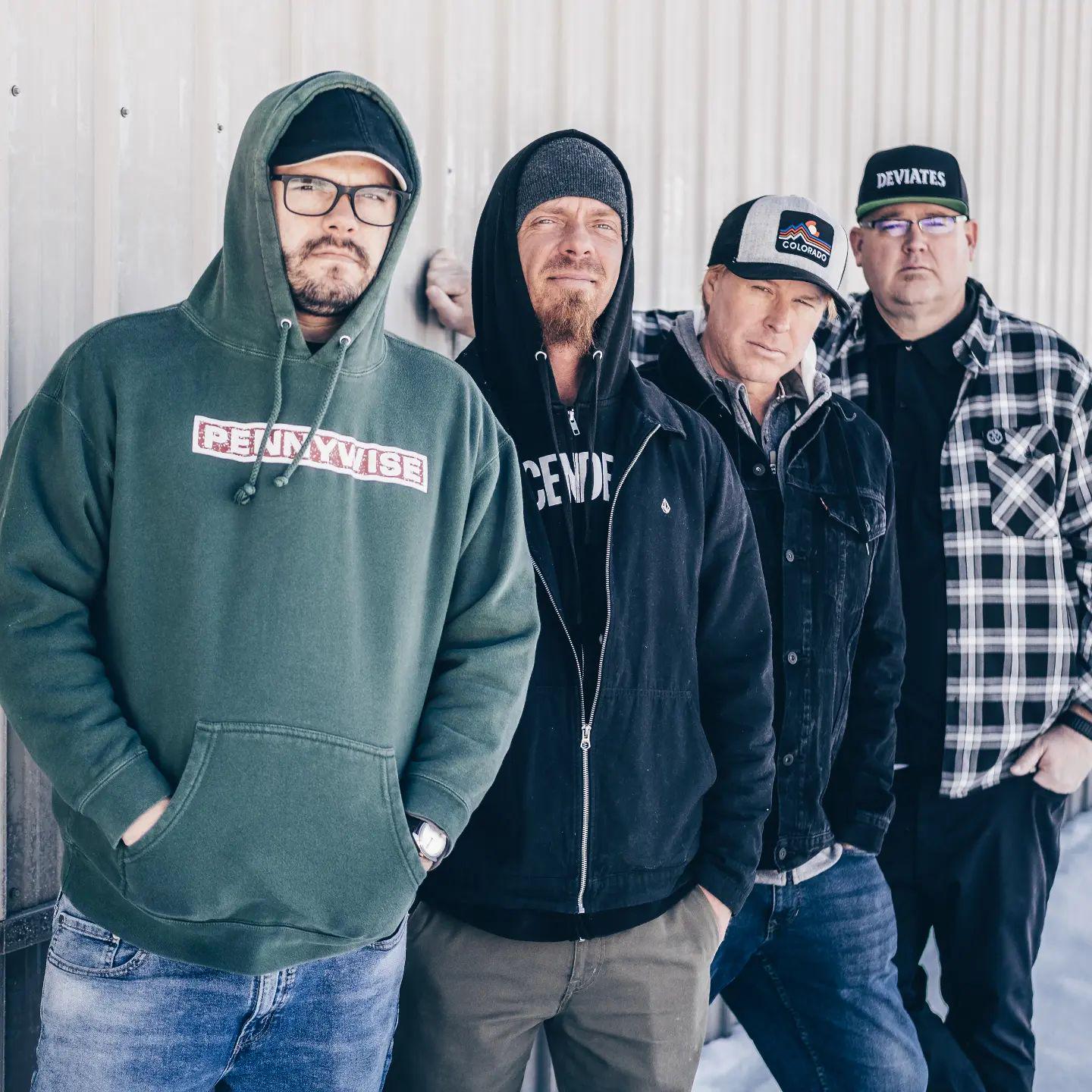
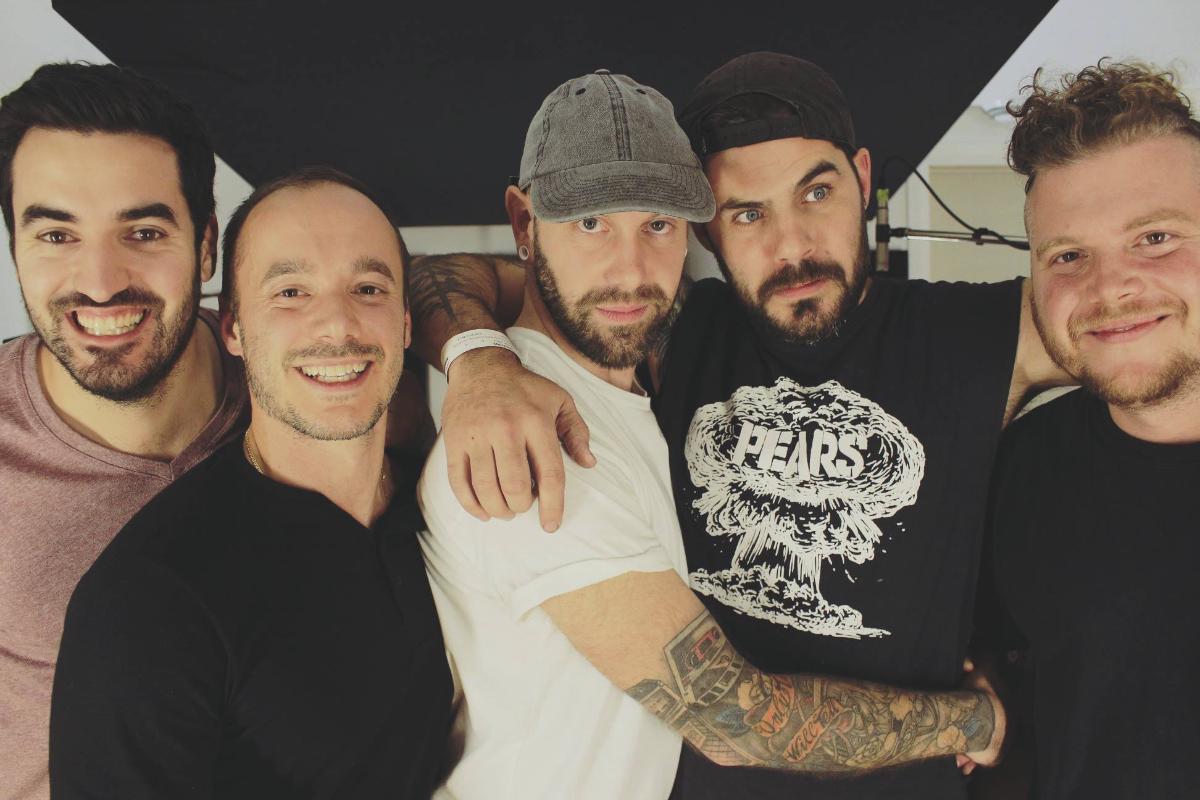
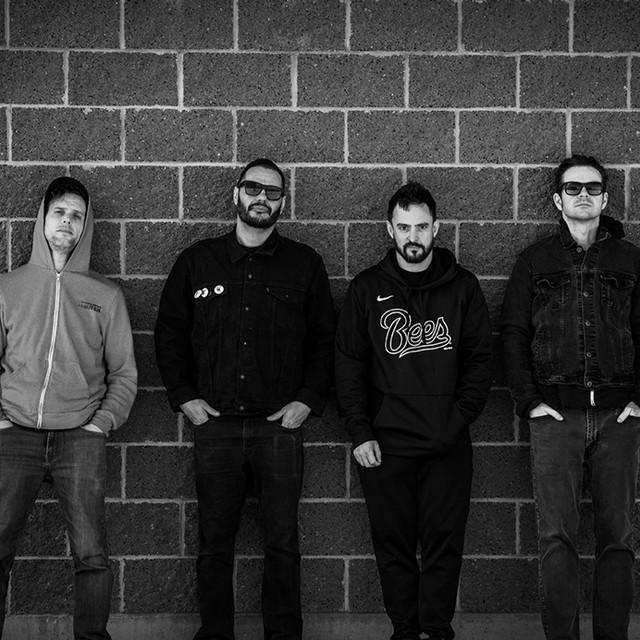
Too Bad Eugene’s Spotify BioToo Bad Eugene began in 1998 as a spin off from the Santa Cruz skate punk legends, Craig's Brother. Shortly after forming, they signed with Rock City Recordings and released their debut album, At Any Rate (2000), produced by MXPX singer and bassist Mike Herrera, and hit the road with MXPX, 22 Jacks and No Motiv on a North American tour. 2 years later they released a self-produced follow-up, Moonlighting, on Tooth and Nail Records, but disbanding shortly thereafter. In 2016 they played a one-off show opening for MXPX at the Troubadour in Hollywood, now with a new lineup, planting the seeds for a full comeback, but that would take a few years to materialize. In 2021 founding singer and bassist Adam Nigh resurrected TBE, now backed by his drummer son Calvin and guitar player Sam Skelton (formerly of Thrush). They played shows with old friends Slick Shoes and Craig's Brother, and in September, 2022, released a new full-length record, Distance, with People of Punk Rock Records. They quickly… followed this up with a Christmas single, Washington Square, in December, now joined by Jason Ragan (Craig's Brother, Next In Line) as 2nd guitarist. In March 2024 they released their 4th full-length record, Battle Scars, again on People of Punk Rock Records, and will be playing a slew of shows to support it.
Viberate is a music analytics platform built for A&Rs, artist managers, labels, booking agents, marketers, and artists.
It helps music professionals track artist growth, analyze audience data, monitor playlist activity, compare artists, follow song performance, and identify opportunities across the music market.
Public artist pages provide a free preview of selected artist data. Paid plans provide access to deeper analytics, historical data, charts, comparisons, playlist tools, exports, alerts, reports, and additional professional features.
Yes. Public Viberate artist pages provide selected artist analytics and music data for free.
Viberate also offers a 7-day free trial of the full platform. A credit card is required to start the trial. The trial includes access to the complete product so users can test deeper artist analytics, historical views, playlist insights, comparisons, charts, exports, alerts, and reporting features before choosing a paid plan.
Viberate provides artist analytics across streaming, playlists, social media, video, radio airplay, songs, and audience markets.
Users can analyze Spotify performance, Spotify and Apple Music playlists, YouTube activity, TikTok and Instagram growth, radio spins, song performance, audience locations, demographics, rankings, and overall artist momentum.
Artist profiles also connect to music charts, similar artists, and comparison tools, helping users benchmark performance and evaluate artists in context.
Viberate updates key artist and track data daily.
For followed artists and tracks, selected data is refreshed multiple times per day. This helps teams monitor playlist changes, streaming movement, audience growth, releases, and campaign performance with more current data.
Update frequency can vary depending on the metric and data source.
Yes. Viberate lets users compare up to five artists side by side across streaming, social media, audience, and engagement metrics.
Users can compare fanbase growth, audience demographics, locations, Spotify performance, social metrics, and other artist data over selected time periods.
Artist comparison can be used for A&R scouting, benchmarking, booking decisions, campaign planning, and evaluating artists with similar audiences or market positions.