Moral Less Right

Punk
Pop Punk
Skate Punk
 Viberate Rank: 347809
 Viberate Rank: 347809
 Monthly ListenersFollowers
 Subscribers
 Followers
 Followers
 FansTop Spotify Songs
| Track | 7-Day Streams | |
|---|---|---|
1 | 909 | |
2 | 604 | |
3 | 582 | |
4 | 310 | |
5 | 171 |
Top YouTube VideosMonthly ListenersFeatured in Playlists| Playlist | Followers | |
|---|---|---|
1 |  All New Pop Punk 2026 (PUNKERS HUB) PUNKLOID | 4.74K |
2 |  Punk rock Collection Tiby Flashback | 2.41K |
3 |  All New Punk Rock 2026 (PUNKERS HUB) PUNKLOID | 2.22K |
4 |  Punk Rock Museum - New Music Friday PunkRockRadar | 1.81K |
5 | Running Playlist 180 bpm by Lady Southpaw Lady Southpaw | 1.63K |
Audience| City | Monthly Listeners | |
|---|---|---|
1 | | 146 |
2 |  | 113 |
3 | | 65 |
4 |  | 63 |
5 | | 52 |
See full performance history, audience data, playlist activity, rankings, comparisons, and more in Viberate music analytics. Start with a free trial, then continue with a paid plan.
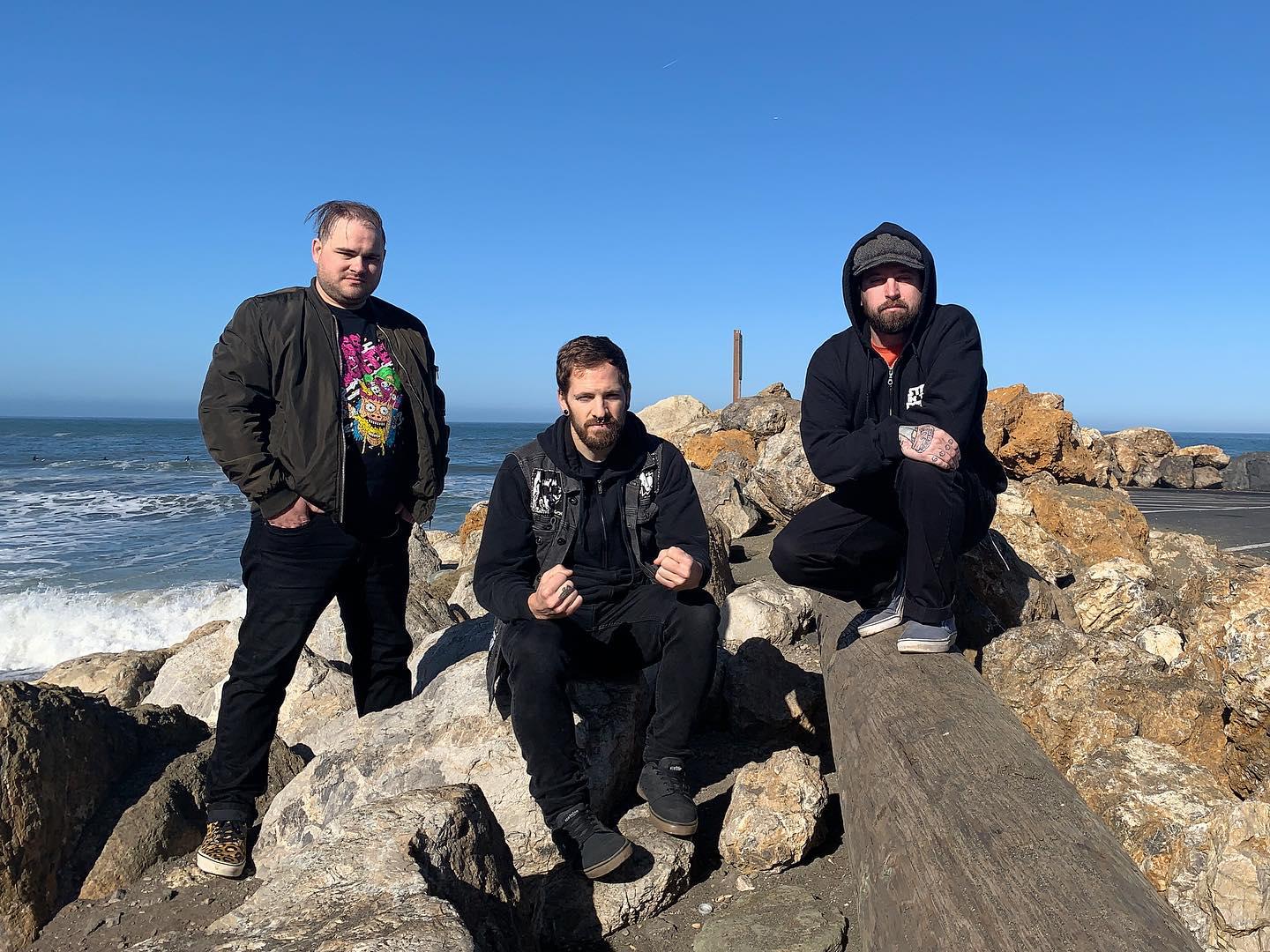
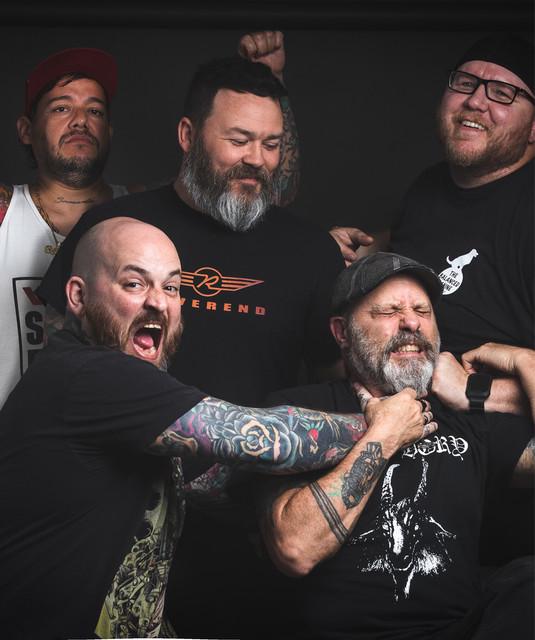
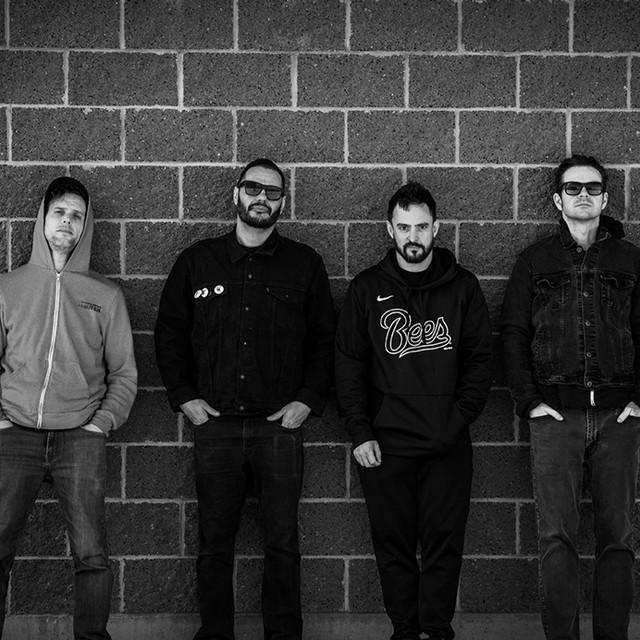
Moral Less Right’s Spotify BioMoral Less Right is an American/Canadian melodic punk band originally established in 1997. While Nathan (guitar/lead vocals) is the only remaining founding member, recent additions, Sarah Lynn (drums/vocals) and Andy B (bass/vocals), have brought fresh verve and a renewed sense of relevance to the band which continues to dish out energetic, pop-laden punk rock. Their introspective and poetic lyrics continue to hit home with those in the punk, pop punk, alternative and emo communities both locally and abroad. Originally from the picturesque East Coast of Canada, they are now based out of the Southern United States in Atlanta, Georgia.
The band’s sound is often compared to industry titans No Use For A Name, Green Day, MxPx, Alkaline Trio and blink-182.
Their most recent singles Oubaitori and Pirate Radio have been widely applauded in the punk/pop punk/emo communities, and have been supported by heavy rotation on Sirius XM’s Faction Punk on satellite radio, and other terrestrial stations… around the world.
Oubaitori was nominated, and won Single of the Year (2024) from Punk Rock Magazine.
Their new forthcoming album “Poetry of Place” (2026) was recorded, mixed and mastered by Shawn Guess at THEDIGITALHALO in South Carolina, USA with original artwork by Mark de Salvo, known for classic album covers for NOFX, No Use For A Name, Lagwagon, Pulley, Urethane and the Fat Wreck Chords compilation Survival Of The Fattest.
Viberate is a music analytics platform built for A&Rs, artist managers, labels, booking agents, marketers, and artists.
It helps music professionals track artist growth, analyze audience data, monitor playlist activity, compare artists, follow song performance, and identify opportunities across the music market.
Public artist pages provide a free preview of selected artist data. Paid plans provide access to deeper analytics, historical data, charts, comparisons, playlist tools, exports, alerts, reports, and additional professional features.
Yes. Public Viberate artist pages provide selected artist analytics and music data for free.
Viberate also offers a 7-day free trial of the full platform. A credit card is required to start the trial. The trial includes access to the complete product so users can test deeper artist analytics, historical views, playlist insights, comparisons, charts, exports, alerts, and reporting features before choosing a paid plan.
Viberate provides artist analytics across streaming, playlists, social media, video, radio airplay, songs, and audience markets.
Users can analyze Spotify performance, Spotify and Apple Music playlists, YouTube activity, TikTok and Instagram growth, radio spins, song performance, audience locations, demographics, rankings, and overall artist momentum.
Artist profiles also connect to music charts, similar artists, and comparison tools, helping users benchmark performance and evaluate artists in context.
Viberate updates key artist and track data daily.
For followed artists and tracks, selected data is refreshed multiple times per day. This helps teams monitor playlist changes, streaming movement, audience growth, releases, and campaign performance with more current data.
Update frequency can vary depending on the metric and data source.
Yes. Viberate lets users compare up to five artists side by side across streaming, social media, audience, and engagement metrics.
Users can compare fanbase growth, audience demographics, locations, Spotify performance, social metrics, and other artist data over selected time periods.
Artist comparison can be used for A&R scouting, benchmarking, booking decisions, campaign planning, and evaluating artists with similar audiences or market positions.