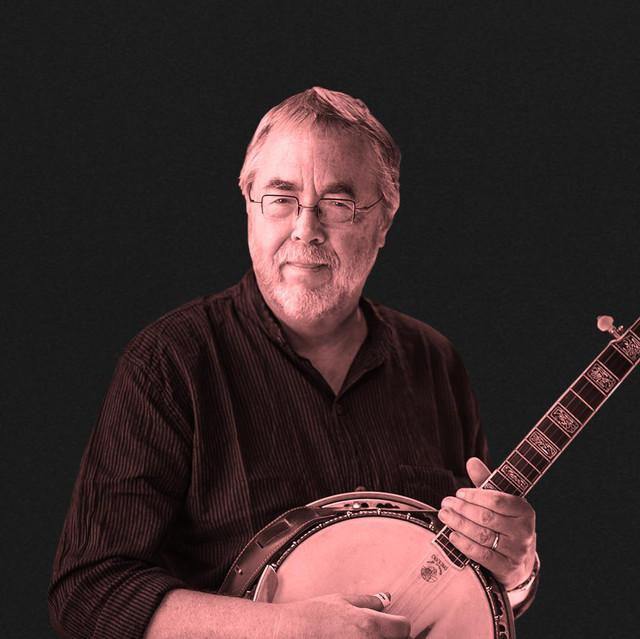
Tony Trischka

Country
Bluegrass
Americana/Alt Country
 Viberate Rank: 91780
 Viberate Rank: 91780
 Monthly ListenersFollowers
 Subscribers
 Followers
 Followers
 FansTop Spotify Songs
| Track | 7-Day Streams | |
|---|---|---|
1 | 14.26K | |
2 | 10.29K | |
3 | 8.20K | |
4 | 6.59K | |
5 | 5.63K |
Top YouTube Videos| Video | 7-Day Views | |
|---|---|---|
1 | 2.10K | |
2 | 1.56K | |
3 | 788 | |
4 | 576 | |
5 | 200 |
Monthly ListenersFeatured in Playlists| Playlist | Followers | |
|---|---|---|
1 |  Americana Icons Spotify | 241.64K |
2 |  This Is John Mellencamp Spotify | 85.97K |
3 |  This Is Jackson Browne Spotify | 67.62K |
4 |  Instrumental Bluegrass Spotify | 64.56K |
5 |  Jacob's Optimum Music Feast Jacob Collier | 47.95K |
Audience| City | Monthly Listeners | |
|---|---|---|
1 | | 2.09K |
2 | | 1.89K |
3 | | 1.83K |
4 | | 1.52K |
5 | | 1.43K |
See full performance history, audience data, playlist activity, rankings, comparisons, and more in Viberate music analytics. Start with a free trial, then continue with a paid plan.
Tony Trischka’s Spotify BioOne of the most influential modern banjoists, both in several forms of bluegrass music and occasionally in jazz and avant-garde, Tony Trischka has inspired a whole generation of progressive bluegrass musicians. Emerging in the 1960s as a member of the Down City Ramblers, Trischka cemented his reputation as a modern bluegrass innovator in the '70s with Country Granola, Country Cooking, Breakfast Special, and Monroe Doctrine. He founded his own group, Skyline, in the '80s, and later fronted Big Dogs, Psychograss, and Wayfaring Strangers, all while maintaining a successful solo career which he sustained well into the next century with albums like Great Big World (2014), Shall We Hope (2021), and Earl Jam. Not only is Trischka considered among the very best pickers, he is one of the instrument's top teachers as well, running workshops, releasing videos, and authoring numerous instructional books.
A native of Syracuse, New York, Trischka's interest in banjo was sparked by the Kingston Trio's… "Charlie and the MTA" in 1963. Two years later, he joined the Down City Ramblers, remaining until 1971. That year, Trischka made his recording debut on 15 Bluegrass Instrumentals with the band Country Cooking; at the same time, he was also a member of Country Granola. In 1973, he began a two-year stint with Breakfast Special. Between 1974 and 1975, he recorded two solo albums, Bluegrass Light and Heartlands. After one more solo album in 1976, Banjoland, he went on to become the musical leader for the Broadway show The Robber Bridegroom. Trischka toured with the show in 1978, the year he also played with the Monroe Doctrine.
Beginning in 1978, he also played with artists such as Peter Rowan, Richard Greene, and Stacy Phillips. In the early '80s, he began recording with his new group Skyline, who recorded their first album in 1983. Subsequent albums included Robot Plane Flies Over Arkansas (solo, 1983), Stranded in the Moonlight (with Skyline, 1984), and Hill Country (solo, 1985). In 1984, he performed in his first feature film, Foxfire. Three years later, he worked on the soundtrack for Driving Miss Daisy. Trischka produced the Belgian group Gold Rush's No More Angels in 1988. The following year, Skyline recorded their final album, Fire of Grace. He also recorded the theme song for Books on the Air, a popular National Public Radio show, and continued his affiliation with the network by appearing on Garrison Keillor's Prairie Home Companion, Mountain Stage, From Our Front Porch, and other radio shows.
Trischka's solo recordings during the '90s include 1993's World Turning, 1995's Glory Shone Around: A Christmas Collection, and 1999's Bend. New Deal followed in 2003 and was a bluesy adaptation of bluegrass standards that featured, among other elements, a vocal cameo by Loudon Wainwright. Double Banjo Bluegrass Spectacular, featuring an appearance by comedian Steve Martin, came out four years later, followed by Territory in 2008.
Trischka turned his talents toward touring and playing on other artists' records for most of the next five years, culminating in his production of Martin's Grammy-nominated Rare Bird Alert in 2011, and serving as the musical director for the PBS documentary Give Me the Banjo. In the summer of 2012, he served as bandleader as well as performer in the bluegrass-informed Shakespeare in the Park production of As You Like It in New York City's Central Park.
Trischka returned to recording under his own name in 2013 and emerged with Great Big World in early 2014. In 2021, he released the ambitious Shall We Hope, a concept LP inspired by his lifetime love of Civil War history that also featured vocalist Michael Daves. 2024's cheekily titled Earl Jam saw Trischka deliver a set of 15 songs that he transcribed from lost recordings of private jams between Earl Scruggs and John Hartford. The LP featured an all-star cast of players that included Molly Tuttle, Sam Bush, Stuart Duncan, Billy Strings, Darol Anger, and Béla Fleck, among many others. ~ Sandra Brennan & Thom Jurek, Rovi
Viberate is a music analytics platform built for A&Rs, artist managers, labels, booking agents, marketers, and artists.
It helps music professionals track artist growth, analyze audience data, monitor playlist activity, compare artists, follow song performance, and identify opportunities across the music market.
Public artist pages provide a free preview of selected artist data. Paid plans provide access to deeper analytics, historical data, charts, comparisons, playlist tools, exports, alerts, reports, and additional professional features.
Yes. Public Viberate artist pages provide selected artist analytics and music data for free.
Viberate also offers a 7-day free trial of the full platform. A credit card is required to start the trial. The trial includes access to the complete product so users can test deeper artist analytics, historical views, playlist insights, comparisons, charts, exports, alerts, and reporting features before choosing a paid plan.
Viberate provides artist analytics across streaming, playlists, social media, video, radio airplay, songs, and audience markets.
Users can analyze Spotify performance, Spotify and Apple Music playlists, YouTube activity, TikTok and Instagram growth, radio spins, song performance, audience locations, demographics, rankings, and overall artist momentum.
Artist profiles also connect to music charts, similar artists, and comparison tools, helping users benchmark performance and evaluate artists in context.
Viberate updates key artist and track data daily.
For followed artists and tracks, selected data is refreshed multiple times per day. This helps teams monitor playlist changes, streaming movement, audience growth, releases, and campaign performance with more current data.
Update frequency can vary depending on the metric and data source.
Yes. Viberate lets users compare up to five artists side by side across streaming, social media, audience, and engagement metrics.
Users can compare fanbase growth, audience demographics, locations, Spotify performance, social metrics, and other artist data over selected time periods.
Artist comparison can be used for A&R scouting, benchmarking, booking decisions, campaign planning, and evaluating artists with similar audiences or market positions.