Bryan Sutton

Country
Bluegrass
Americana/Alt Country
 Viberate Rank: 94224
 Viberate Rank: 94224
 Monthly ListenersFollowers
 Subscribers
 Followers
 Followers
 FansTop Spotify Songs
| Track | 7-Day Streams | |
|---|---|---|
1 | 12.55K | |
2 | 5.21K | |
3 | 4.81K | |
4 | 4.51K | |
5 | 4.43K |
Top YouTube VideosMonthly ListenersFeatured in Playlists| Playlist | Followers | |
|---|---|---|
1 |  Bluegrass Covers Spotify | 287.90K |
2 |  Yellowstone - The Soundtrack Whiskey Riff | 197.08K |
3 |  Irish Drinking Songs yetkind | 116.93K |
4 |  Instrumental Bluegrass Spotify | 64.54K |
5 |  Appalachian Bluegrass TC Huff | 38.85K |
Audience| City | Monthly Listeners | |
|---|---|---|
1 | | 2.19K |
2 | | 1.87K |
3 | | 1.86K |
4 | | 1.60K |
5 | | 1.56K |
See full performance history, audience data, playlist activity, rankings, comparisons, and more in Viberate music analytics. Start with a free trial, then continue with a paid plan.
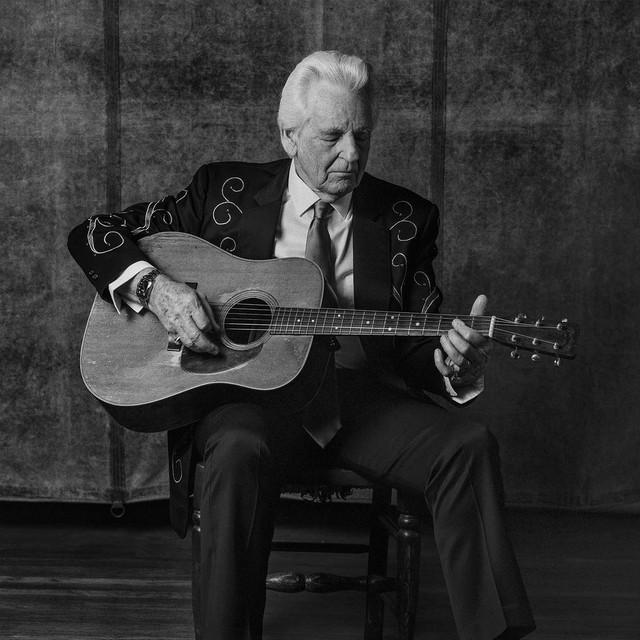
Bryan Sutton’s Spotify BioBorn near Asheville, North Carolina, in 1973, guitarist Bryan Sutton picked up the guitar at the age of eight and immersed himself in rock and jazz playing, but the rhythms and melodies of bluegrass pickin' held his attention the strongest. After high school, Sutton toured for two years backing gospel artist Karen Peck before joining the contemporary country/gospel band Mid South. Landing in Nashville, he found plenty of studio work playing not only guitar, but fiddle, mandolin, and banjo as well, which led to a meeting with Ricky Skaggs and a subsequent spot on Kentucky Thunder's roster. His years with Skaggs kept the rising star busy, but he still found time to work with Aubrey Haynie, Jerry Douglas, Don Rigsby, Bobby Hicks, and Hayseed. Sutton parted ways with Kentucky Thunder in early 1999 and found session work with Rhonda Vincent, the Dixie Chicks, and Dolly Parton, and was honored by the International Bluegrass Music Association as 2000's Guitar Player of the Year. Acoustic… label Sugar Hill Records was more than happy to release his solo debut, 2000's Ready to Go (featuring guest appearances by collaborators Douglas, Skaggs, and Parton), and its 2003 follow-up, the more subdued and appropriately named Bluegrass Guitar. Not Too Far from the Tree, also on Sugar Hill, appeared in 2006. Sam Bush, Béla Fleck, and Jerry Douglas were just some of the guests on his 2009 release, Almost Live. Five years later he returned with the studio set Into My Own, which was quickly followed by The More I Learn in 2016. ~ Zac Johnson, Rovi
Viberate is a music analytics platform built for A&Rs, artist managers, labels, booking agents, marketers, and artists.
It helps music professionals track artist growth, analyze audience data, monitor playlist activity, compare artists, follow song performance, and identify opportunities across the music market.
Public artist pages provide a free preview of selected artist data. Paid plans provide access to deeper analytics, historical data, charts, comparisons, playlist tools, exports, alerts, reports, and additional professional features.
Yes. Public Viberate artist pages provide selected artist analytics and music data for free.
Viberate also offers a 7-day free trial of the full platform. A credit card is required to start the trial. The trial includes access to the complete product so users can test deeper artist analytics, historical views, playlist insights, comparisons, charts, exports, alerts, and reporting features before choosing a paid plan.
Viberate provides artist analytics across streaming, playlists, social media, video, radio airplay, songs, and audience markets.
Users can analyze Spotify performance, Spotify and Apple Music playlists, YouTube activity, TikTok and Instagram growth, radio spins, song performance, audience locations, demographics, rankings, and overall artist momentum.
Artist profiles also connect to music charts, similar artists, and comparison tools, helping users benchmark performance and evaluate artists in context.
Viberate updates key artist and track data daily.
For followed artists and tracks, selected data is refreshed multiple times per day. This helps teams monitor playlist changes, streaming movement, audience growth, releases, and campaign performance with more current data.
Update frequency can vary depending on the metric and data source.
Yes. Viberate lets users compare up to five artists side by side across streaming, social media, audience, and engagement metrics.
Users can compare fanbase growth, audience demographics, locations, Spotify performance, social metrics, and other artist data over selected time periods.
Artist comparison can be used for A&R scouting, benchmarking, booking decisions, campaign planning, and evaluating artists with similar audiences or market positions.