Toni Price

Country
Americana/Alt Country
Contemporary Blues
 Viberate Rank: 365719
 Viberate Rank: 365719
 Monthly ListenersFollowers
 Subscribers
 Followers
 Followers
 FansTop Spotify Songs
| Track | 7-Day Streams | |
|---|---|---|
1 | 565 | |
2 | 247 | |
3 | 218 | |
4 | 149 | |
5 | 148 |
Top YouTube VideosMonthly ListenersFeatured in Playlists| Playlist | Followers | |
|---|---|---|
1 | The Morning Spring 2023 Playlist nytimes | 30.65K |
2 |  The Best Female Blues & Jazz Vocals | Don's Tunes Don's Tunes | 15.00K |
3 | Holiday music that won’t make you cringe Dave Bangert | 2.77K |
4 |  The Austin G.O.A.T.s +🐐 bdoggiedog | 2.68K |
5 | Happy Hour Beach Music Jimmy Buffett Fvale | 2.54K |
Audience| City | Monthly Listeners | |
|---|---|---|
1 | | 225 |
2 | | 120 |
3 | | 86 |
4 | | 66 |
5 |  | 39 |
See full performance history, audience data, playlist activity, rankings, comparisons, and more in Viberate music analytics. Start with a free trial, then continue with a paid plan.
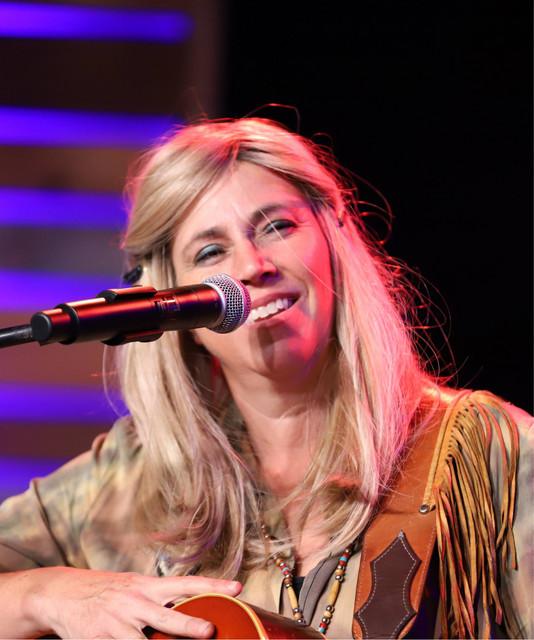
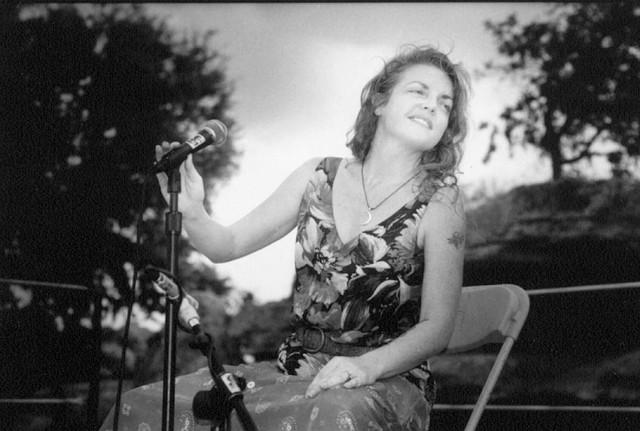
Toni Price’s Spotify BioA standard-bearer for Austin, Texas' roots music scene, singer Toni Price was capable of wailing the blues, crooning soulful country-Americana, and delivering earthshaking R&B. After making an appearance at SXSW, she moved to Austin. The "Juke Joint Madonna" built a large enough local following that she declined to tour. She also hosted the "hippie hour" at the Continental Club for 22 years. Between 1993 and 1997, she released three globally acclaimed albums on Discovery -- Swim Away, Hey, and Sol Power. In 1999 she issued Lowdown & Up, her debut on Antone's Records. She released Midnight Pumpkin in 2001, followed by Born to Be Blue in 2003, and the blues/R&B outing Talk Memphis in 2005. In 2007 Price moved to San Diego, California, but returned to Texas in 2009. Her final album, 2010's Cherry Sunday Orchestra, was self-released in 2010. She continued performing until her death in 2024 at age 63.
Born in 1961 in Philadelphia, Pennsylvania, Price's family moved first to New Jersey, which… is where she began singing professionally, and then to Nashville, Tennessee, where, at age ten, she won a talent contest. As a teen she listened to blues singers and used their recordings as a study tool in developing a distinctive style of her own. Absorbing the music of her surroundings, she sang country music and made some records in this form; she also began a musical association with songwriter Gwil Owen. In 1989, Price appeared in Austin, Texas, at the South by Southwest music festival and made a big impression. Her blues and R&B-inflected country music singing displayed echoes of her varied influences, who include singers as diverse as Ray Charles, Patsy Cline, Aretha Franklin, Emmylou Harris, Bonnie Raitt, Linda Ronstadt, and Beulah "Sippie" Wallace. In the late '90s, Price received numerous awards and greatly extended her audience. Mainly working from her Austin base, she has appeared at many blues venues.
Price began singing in high school, but after graduating she sat in with country bands around Nashville, where she was (for the most part) raised, after moving from southern New Jersey. When Price lived in Nashville in the late '80s, she would religiously listen to local blues radio programs on college stations. She moved to Austin in 1989 and learned from the locals, who included Clifford Antone, owner of Antone's blues nightclub, and Austin-area guitarists like Derek O'Brien, who produced her second album. Shortly after she began singing in country bars in Nashville, she hooked up with songwriter Gwil Owen, who wrote many of the songs on her debut, Swim Away.
Although critics have heaped praise on her gifted phrasing and delivery at her live shows and on both of her albums, the title of "singer/songwriter" was an inappropriate one for Price; the latter part of the title doesn't apply to her. In an interview in Austin, Price said she'd never had the inspiration or desire to write songs, and figured she wasn't given that talent. Price's albums out on the Antone's/Discovery label included Swim Away (1993), Hey (1995), and Lowdown & Up (1999). Midnight Pumpkin appeared in the summer of 2001, followed by Born to Be Blue in 2003 and Talk Memphis in 2007. She moved to San Diego that year, but returned to Austin in 2009. In 2010, Price released the ironically titled Cherry Sunday Orchestra (in a trio with pianist Riley Osborne and clarinetist Stanley Smith). Toni Price died on November 22, 2024, after suffering a brain aneurysm. She was 63. ~ Richard Skelly, Rovi
Viberate is a music analytics platform built for A&Rs, artist managers, labels, booking agents, marketers, and artists.
It helps music professionals track artist growth, analyze audience data, monitor playlist activity, compare artists, follow song performance, and identify opportunities across the music market.
Public artist pages provide a free preview of selected artist data. Paid plans provide access to deeper analytics, historical data, charts, comparisons, playlist tools, exports, alerts, reports, and additional professional features.
Yes. Public Viberate artist pages provide selected artist analytics and music data for free.
Viberate also offers a 7-day free trial of the full platform. A credit card is required to start the trial. The trial includes access to the complete product so users can test deeper artist analytics, historical views, playlist insights, comparisons, charts, exports, alerts, and reporting features before choosing a paid plan.
Viberate provides artist analytics across streaming, playlists, social media, video, radio airplay, songs, and audience markets.
Users can analyze Spotify performance, Spotify and Apple Music playlists, YouTube activity, TikTok and Instagram growth, radio spins, song performance, audience locations, demographics, rankings, and overall artist momentum.
Artist profiles also connect to music charts, similar artists, and comparison tools, helping users benchmark performance and evaluate artists in context.
Viberate updates key artist and track data daily.
For followed artists and tracks, selected data is refreshed multiple times per day. This helps teams monitor playlist changes, streaming movement, audience growth, releases, and campaign performance with more current data.
Update frequency can vary depending on the metric and data source.
Yes. Viberate lets users compare up to five artists side by side across streaming, social media, audience, and engagement metrics.
Users can compare fanbase growth, audience demographics, locations, Spotify performance, social metrics, and other artist data over selected time periods.
Artist comparison can be used for A&R scouting, benchmarking, booking decisions, campaign planning, and evaluating artists with similar audiences or market positions.